Tag: United Airlines

  • What Happened at Denver Airport? United Airlines Jet Strikes Two De-Icing Rigs After Miscommunication

    What Happened at Denver Airport? United Airlines Jet Strikes Two De-Icing Rigs After Miscommunication

    The aviation world is closely watching the unfolding details of a ground collision at Denver International Airport involving a United Airlines Boeing 737-800. According to the preliminary findings from the National Transportation Safety Board, known as the NTSB, a routine winter departure turned into a significant safety incident. The core of the problem appears to be a breakdown in communication that led a flight crew to move their massive aircraft while de-icing equipment and personnel were still actively working on the wings.

    This event serves as a stark reminder of how quickly a high pressure environment like a busy airport can lead to physical damage and safety risks when protocols are not perfectly synchronized.

    The Morning of the Incident at Denver International Airport

    On March 6, United Airlines flight 605 was preparing for a scheduled trip from Denver to Nashville. Denver is a major hub for United, and winter weather frequently necessitates de-icing procedures to ensure flight safety. For this specific flight, the crew taxied the Boeing 737-800 to a designated area known as de-ice pad C, specifically spot C5.

    At this location, the aircraft was met by a team from Aeromag, a company specializing in aircraft de-icing services. The goal was simple: remove any ice or frost and apply a protective layer of fluid to prevent further buildup before takeoff. The aircraft was being treated with Type 4 fluid, which is a thickened green liquid designed to stay on the wings during taxiing and only blow off once the plane reaches high speeds on the runway.

    Inside the Cockpit: A Critical Misunderstanding

    While the ground crews were busy outside, the flight crew remained inside the cockpit. According to statements provided to investigators, the captain and the first officer were engaged in a conversation while the de-icing was underway. This is a common time for pilots to review paperwork or discuss flight plans, but it also requires them to keep an ear out for specific radio calls.

    The first officer reported hearing what they believed was the de-ice team giving the post-de-ice briefing. This briefing is the final confirmation that the work is done, the equipment is clear, and the plane is safe to move. While the captain expressed a moment of uncertainty about whether that specific clearance was meant for their flight, the first officer acknowledged the brief. The first officer even read back details, stating that all de-icing vehicles were behind the safety clearance lines.

    Believing they were clear to go, the crew performed their post-de-ice checklists. They then contacted Air Traffic Control and received official clearance to begin taxiing toward the runway.

    The Impact on the De-Ice Pad

    As the engines throttled up and the Boeing 737 began to roll forward, the reality outside was very different from what the pilots believed. The de-icing process was not actually finished. Four trucks were still positioned around the aircraft. Two trucks, identified as MAG 94 and MAG 95, were located toward the front of the wings. Two other trucks, MAG 28 and MAG 30, were positioned behind the wings.

    The ground agents saw the plane start to move and realized immediately that a collision was imminent. In the fast moving environment of a de-ice pad, there was no way for the ground crew to stop the momentum of the jet.

    The left wing of the Boeing 737 struck truck MAG 94. Simultaneously, the right wing slammed into truck MAG 95. The force of the impact was significant enough to push MAG 95 onto its side. Inside the cockpit, the pilots felt the jolt of the collision and immediately brought the aircraft to a halt. When they reached out to the de-ice team over the radio, they were informed of the devastating truth: they had never been cleared to leave, and they had just run over their support equipment.

    Examining the Damage to the Boeing 737-800

    A Boeing 737-800 is a sturdy machine, but it is not built to withstand lateral impacts with heavy machinery. After the passengers were deplaned and the aircraft was moved to a maintenance hangar, the full extent of the damage became clear.

    The left side of the aircraft took a heavy hit. Specifically, the left winglet, which is the upward curving tip of the wing, was damaged. Investigators also found damage to the lower skin of the left wing. More concerning was the damage to the slats. Slats are the aerodynamic surfaces on the leading edge of the wing that allow the plane to fly at slower speeds during takeoff and landing. On this aircraft, slats number 1, 5, 6, 7, and 8 were all affected.

    On the right side, the lower skin of the wing was also damaged, along with the right aileron. The aileron is a hinged flight control surface that allows the pilot to bank or roll the aircraft. Damage to these primary flight controls meant the aircraft was grounded for extensive, costly repairs.

    Lessons in Aviation Communication

    The primary takeaway from this NTSB report involves the concept of “hear back” errors and cockpit distractions. Aviation safety relies on a closed loop communication system. When a ground crew gives an instruction, the pilot repeats it back, and the ground crew confirms the readback was correct.

    In this instance, it appears that a conversation in the cockpit may have led to a lapse in situational awareness. The fact that the captain was unsure if the clearance was for them, yet the first officer proceeded with the acknowledgement, highlights a breakdown in Crew Resource Management. This is the practice of pilots working together to cross check each other and ensure that no single person makes a mistake that goes unnoticed.

    The NTSB will likely look into the radio frequencies used at the Denver de-ice pads. Sometimes, multiple flights are on the same channel, and a crew might hear a briefing meant for a plane in a neighboring spot and mistakenly apply it to themselves.

    The Path Forward for Flight Safety

    While the investigation is still ongoing, this incident has already prompted discussions about how de-icing zones are managed. Some airports use physical barriers or visual signals, like stoplights, to tell a pilot when it is safe to move, rather than relying solely on voice communication over a busy radio.

    United Airlines and Aeromag will likely review their internal training procedures to ensure that “all clear” signals are unmistakable. For passengers, this event is a reminder of why ground safety is just as complex and vital as the safety of the flight itself.

    Final Observations on the Denver Incident

    This collision was a lucky escape in many ways. While the equipment was destroyed and the plane was heavily damaged, there were no reported fatalities. The focus now shifts to the final NTSB report, which will provide specific recommendations to prevent a repeat of this event. Until then, the industry will look at this Denver mishap as a textbook example of why every word spoken over a radio and every check on a list matters. Safety in the air begins with total coordination on the ground.
  • United Welcomes New A321XLR & Coastliner: The World’s Most Luxurious Single-Aisle Experience?

    United Welcomes New A321XLR & Coastliner: The World’s Most Luxurious Single-Aisle Experience?

    The days of dreading a long flight on a narrow body aircraft are officially coming to an end. For years, the gold standard of air travel was simple: if you wanted a flat bed, a real meal, and a sense of space, you had to fly on a massive wide body jet with two aisles. If you were stuck on a single aisle plane like a Boeing 737 or an Airbus A321, you usually had to settle for a standard recliner and a cramped cabin. United Airlines is flipping that script entirely with the introduction of the Airbus A321XLR and the A321neo Coastliner.

    These are not just new planes. They represent a complete shift in how United treats its most important routes. By bringing the flagship Polaris business class and a dedicated Premium Plus cabin to these smaller jets, United is making the single aisle experience feel every bit as grand as a flight on a massive Dreamliner.

    The Rise of the Coastliner and the XLR

    United is rolling out two distinct versions of the Airbus A321 to serve very different needs. The first is the A321neo Coastliner. This plane is specifically designed for the high stakes transcontinental market. If you are flying between Newark and Los Angeles or San Francisco, this is the aircraft you want to be on. It is built to compete with the most premium offerings in the country, providing a seamless transition for travelers who are used to international standards of luxury.

    The second version is the A321XLR, which stands for Extra Long Range. This is the real workhorse for the future of international travel. Because it can fly much further than a standard A321, United plans to use it for “long and thin” routes. These are flights to smaller cities in Europe and deep into South America that do not quite have enough passengers to fill a giant Boeing 787 but still require a premium cabin for a seven or eight hour journey.

    A True Polaris Experience in a Single Aisle

    The headline feature of both aircraft is the inclusion of United Polaris business class. In the past, putting lie flat beds on a narrow body plane often meant a 2-2 configuration where the person by the window had to climb over their neighbor to reach the aisle. United has solved this by giving every single Polaris passenger direct aisle access.

    These seats are arranged in a clever layout that maximizes privacy without making the cabin feel claustrophobic. Each suite features a sturdy door that you can close to create your own little world at 35,000 feet. The seats are also wider at the shoulder and elbow than many competing products, ensuring that you do not feel pinned in while trying to sleep.When it is time to rest, the seat converts into a fully flat bed that is over six feet long, complete with the famous Saks Fifth Avenue bedding that Polaris is known for.

    The Debut of Premium Plus on Narrow Body Jets

    For the first time ever on a single aisle United aircraft, passengers can now choose United Premium Plus. This is the “purple seat” experience that sits right between business class and economy. It is designed for travelers who want more comfort than a standard seat but do not necessarily need a bed.

    The A321XLR and Coastliner versions of Premium Plus feature a 2-2 configuration, meaning no middle seats. One of the coolest new features in this cabin is the retractable divider. This allows you to have a bit of extra separation from your neighbor if you are traveling alone, or you can tuck it away if you are flying with a partner. You also get more recline, a dedicated footrest, and an upgraded dining experience served on real china.

    The Biggest Economy Screens in the World

    United did not forget about the passengers in the back of the plane. In fact, they are making a bold claim: these aircraft feature the biggest economy screens in the world. In a standard economy seat, you are looking at a 13 inch high definition touchscreen. To put that in perspective, that is the same size as many laptop screens.

    If you are in Premium Plus, the screen jumps to 16 inches, and in Polaris, you get a massive 19 inch monitor. All of these screens come with Bluetooth connectivity, so you can use your own wireless headphones instead of the cheap wired ones the airline hands out. With hundreds of movies and TV shows available, the flight will likely feel a lot shorter than it actually is.

    Tech and Amenities for the Modern Traveler

    One of the biggest frustrations of modern travel is the “battery anxiety” that comes with a long flight. United has addressed this by putting chargers everywhere. Whether you are in the very front or the very last row, you will have access to an AC power outlet and a fast charging USB-C port. Many of the premium seats even include wireless charging pads built into the side consoles.

    Beyond the tech, the cabin environment itself is much improved. These planes feature the Airbus Airspace interior, which includes customizable LED mood lighting that helps your body adjust to different time zones. The overhead bins are also much larger, meaning you are far less likely to be told that you have to gate check your carry on bag because the bins are full.

    The Walk Up Snack Bar

    Perhaps the most fun addition to these new planes is the self-serve snack bar located at the back of the economy cabin.Instead of waiting for a flight attendant to come through with the cart, passengers on longer flights can simply get up and stretch their legs while grabbing a drink or a light snack. This “Grab-N-Go” concept has been popular on other airlines for years, and it adds a level of freedom to the flight that makes the narrow cabin feel a bit more like a lounge.

    A New Standard for Single Aisle Travel

    The arrival of the A321XLR and the Coastliner marks a turning point for United. By replacing aging Boeing 757s with these state of the art jets, the airline is proving that you do not need two aisles to have a world class experience. Whether you are crossing the Atlantic to a charming European city or just hopping across the country for a business meeting, these planes ensure that the journey is just as good as the destination.

    United is betting big on the idea that passengers will pay for a premium experience even on a smaller plane. Given the level of detail and the focus on comfort found in these new interiors, it is a bet that is very likely to pay off.

  • SKY-HIGH COSTS: United Airlines Prunes Schedule to Dodge $11B Fuel Bill; Fares Surge 20%

    SKY-HIGH COSTS: United Airlines Prunes Schedule to Dodge $11B Fuel Bill; Fares Surge 20%

    The global aviation industry is currently facing a massive financial earthquake, and United Airlines is the first major carrier to start making cuts. In a recent memo to employees, CEO Scott Kirby made it clear that the company will not fly routes that lose money due to the staggering rise in jet fuel prices. With the 2026 Iran Crisis causing oil markets to spin out of control, the airline has decided to cut 5% of its total flight schedule for the second and third quarters of this year.

    This decision marks a significant shift in the travel landscape. While demand for flights is at an all-time high, the cost of keeping planes in the air has reached a breaking point. Kirby’s message was simple: there is no reason to burn cash on flights that cannot pay for their own fuel. As a result, travelers are looking at fewer options and much higher ticket prices as the industry tries to survive an $11 billion spike in annual expenses.

    The Economic Reality of $175 Oil

    The numbers behind this decision are eye-opening. United is preparing for a world where crude oil hits $175 per barrel. Even more concerning is the projection that prices might stay above $100 until the end of 2027. For a company like United, this isn’t just a minor budget tweak. An $11 billion increase in fuel costs is more than double the profit the airline made in its most successful year ever.

    Most large U.S. airlines do not use fuel hedging, which is a financial strategy to lock in lower prices ahead of time. Instead, they operate at the mercy of the current market. When fuel prices nearly doubled in less than a month following the start of hostilities in the Middle East, the business model for thousands of flights changed overnight. What was a profitable route in January became a money-losing venture by March.

    Where the Flight Cuts are Happening

    United is being very specific about which flights are getting the axe. The goal is to minimize the impact on most travelers while removing the least efficient operations. The cuts focus on three main areas.

    First, the airline is trimming 3% of its off-peak schedule. This includes red-eye flights that take off late at night and midweek services on Tuesdays and Wednesdays when fewer people travel. Saturday flights, which often have lower demand than Friday or Sunday, are also on the chopping block. By removing these flights, United can save massive amounts of fuel without disappointing the bulk of its weekday business or weekend leisure travelers.

    Second, the airline is pulling back slightly at its massive hub at Chicago O’Hare. About 1% of the capacity there will be reduced as the airline coordinates with the FAA. Finally, international travel is taking a hit. Service to Tel Aviv and Dubai remains suspended indefinitely due to the regional conflict and the risks associated with flying in that airspace. Together, these tactical moves add up to the 5% reduction in total capacity.

    The Impact on Your Next Vacation

    For the average traveler, the most immediate effect won’t be a canceled flight, but rather the cost of booking a new one. Airfares have already surged by about 20% in just a few weeks. Because United and other carriers are reducing the number of available seats while people are still desperate to travel, the remaining tickets are becoming much more expensive.

    Industry experts suggest that if you are planning to travel this summer, booking immediately is the only way to avoid even higher spikes. The supply of seats is shrinking exactly when summer vacation demand is peaking. This creates a perfect storm where only those willing to pay a premium will be able to secure a spot on the most popular routes.

    Why Demand Remains Record Breaking

    Interestingly, despite the high prices, United is seeing some of its strongest business in history. Over the last ten weeks, the airline recorded its ten highest booking revenue weeks ever. People seem determined to travel regardless of the cost, a trend often called “revenge travel” that has persisted long after the pandemic.

    Scott Kirby noted that while the fuel situation is scary, the sheer volume of people wanting to fly is a massive safety net. The airline is betting that it can raise prices enough to cover most of the fuel spike because travelers have shown they are willing to pay. However, there is a limit to this strategy. If fares keep climbing, many families may eventually be priced out of the market, leading to a potential drop in demand later in the year.

    Looking Toward the Future of Flying

    Despite the immediate cuts, United is not stopping its long-term growth plans. The airline still expects to take delivery of 120 new aircraft this year, including fuel-efficient Boeing 787s. These newer planes burn significantly less fuel than older models, which will be a key advantage if oil prices stay high for the next several years.

    The company’s leadership is trying to project confidence. Kirby told employees that the airline has the financial strength to weather this storm without resorting to the drastic measures seen in decades past, such as furloughs or canceling new plane orders. The strategy for now is to be “tactical” by pruning the schedule today to ensure the company remains healthy tomorrow.

    Navigating the New Travel Environment

    The current situation is a reminder of how quickly global events can change our daily lives. For now, the “new normal” for flying involves checking for schedule changes more frequently and budgeting significantly more for tickets. While United hopes to restore its full schedule by the fall of 2026, that plan depends entirely on whether the geopolitical situation stabilizes and oil prices begin to cool.

    If you have a flight already booked, it is a good idea to keep a close eye on your email. While United is focusing its cuts on flights that haven’t sold many tickets yet, some passengers will inevitably be rebooked on different times or days. Staying flexible and booking as far in advance as possible are currently the best tools a traveler has in a sky-high market.

  • Why US Carriers Like Delta and United Airlines Could Be Hardest Hit by Today’s Fuel Surcharge Surge

    Why US Carriers Like Delta and United Airlines Could Be Hardest Hit by Today’s Fuel Surcharge Surge

    The global aviation landscape shifted dramatically this morning as oil prices breached significant thresholds due to escalating tensions in West Asia. For travelers and industry analysts alike, the primary focus has landed on how domestic carriers will absorb these massive operational spikes. While global airlines often have safety nets in place to handle energy volatility, many American companies are entering this crisis with far less protection. Specifically, the focus remains on why major players like United Airlines find themselves in a particularly sensitive position as jet fuel costs climb toward record levels.

    The Abandonment of Fuel Hedging

    To understand why the current surge hits so hard, one has to look at the financial strategies adopted by domestic carriers over the last decade. In the past, it was common practice for airlines to engage in fuel hedging. This process involves buying fuel at a set price for future use, essentially creating an insurance policy against sudden market jumps. However, many US companies, including United Airlines, moved away from this practice after several years of relatively stable oil prices.

    The logic at the time was simple. Hedging is expensive and requires significant fees paid to banks and brokers. If fuel prices remain low or drop further, the airline ends up paying more than the market rate, which hurts their competitive edge. Because of this, United Airlines and its domestic peers decided to face the market directly. While this saved money during the quiet years, it leaves them completely exposed to the 60% increase in jet fuel prices witnessed this month. Without those locked-in rates, every extra cent at the pump translates into a multi-million dollar hit to the quarterly earnings of United Airlines.

    Comparing Global Safety Nets

    The vulnerability of the American market becomes even more apparent when compared to international counterparts. Carriers in Europe and Asia have largely maintained their hedging portfolios. For instance, some European groups have already secured up to 80% of their fuel needs for the first half of 2026 at much lower prices. This allows them to keep ticket prices relatively stable even as the world around them grows more expensive.

    In contrast, United Airlines has to purchase fuel at current spot prices, which are reacting in real time to the closure of shipping lanes like the Strait of Hormuz. When a foreign carrier can fly the same route with fuel bought at 2025 prices, the pressure on United Airlines to raise fares just to break even becomes immense. This creates a disparity where US based travelers might see surcharges appear much faster and more aggressively than those flying on international flagship carriers.

    The Weight of Long Haul Networks

    The structure of an airline’s route map also dictates how much pain it feels from a fuel crisis. United Airlines operates one of the most extensive international networks of any carrier in the world. While short domestic hops are expensive, long haul flights across the Atlantic and Pacific oceans consume massive amounts of kerosene.

    As jet fuel prices soar, the cost of operating a ten hour flight increases by tens of thousands of dollars almost overnight. For a company like United Airlines, which relies heavily on these high mileage routes for its premium revenue, the math becomes difficult. Unlike smaller low cost carriers that can cut a few regional flights, United Airlines must maintain its global connectivity, even if the fuel burn on those routes is currently eating through their profit margins. This “long haul trap” is a major reason why the big three US carriers are watching the tickers with more anxiety than regional players.

    Operational Adjustments and Rerouting

    It is not just the price of the fuel itself that is causing headaches. The geopolitical situation has forced many flight paths to change. Avoiding certain airspaces means planes are staying in the air longer, sometimes adding two hours to a single journey. Longer flight times mean more fuel burned, and more fuel burned at higher prices creates a compounding financial problem.

    United Airlines is currently navigating these logistical hurdles daily. Every detour required for safety adds a layer of expense that was not budgeted for at the start of the year. When you combine higher prices per gallon with a higher number of gallons required per trip, the resulting surcharge is almost inevitable. United Airlines management has already noted that these shifts will have a meaningful impact on their financial outlook, signaling that the era of “cheap” international travel may be on a temporary hiatus.

    Impact on the Summer Travel Season

    As we approach the busy summer months, the timing of this fuel spike could not be worse for the consumer. Most people book their summer vacations in March and April. With United Airlines facing these sudden cost increases today, those booking today will likely see a different price tag than those who secured seats just two weeks ago.

    The industry is watching to see how much of this cost can be passed on to the flyer. There is a delicate balance between raising fares to cover costs and pricing out the average family. If United Airlines raises prices too much, travelers might opt for staycations or alternative transport. However, with fuel representing nearly 30% of their total expenses, United Airlines has very little room to absorb the blow without adjusting the cost of a seat.

    The Role of Refining Margins

    Another technical factor at play is the “crack spread,” which is the difference between the price of crude oil and the price of refined jet fuel. Right now, refining capacity is tight, making jet fuel even more expensive than the crude oil it comes from. While some competitors have small stakes in refineries to help offset this, United Airlines remains largely a buyer of the finished product. This means they are hit twice, once by the rising price of oil and again by the rising cost of turning that oil into usable airplane fuel.

    Strategies for the Modern Traveler

    For those looking to fly United Airlines in the coming weeks, the advice from experts is to move quickly. Surcharges are often implemented in waves. As the airline realizes the full extent of the daily fuel bill, they may increase the surcharge multiple times. Locking in a fare today might save a traveler several hundred dollars compared to waiting until next month when the full weight of the energy crisis is reflected in the booking systems.

    Looking Toward Future Market Stability

    The aviation industry has survived fuel shocks before, but the speed of this particular rise is historic. The coming months will test the resilience of the unhedged model favored by US companies. Whether United Airlines decides to return to hedging in the future remains to be seen, but for now, the focus is purely on managing the immediate turbulence. The industry will likely see a shift toward more fuel efficient aircraft and perhaps a reduction in flight frequencies on less profitable routes as a way to conserve resources.

  • United CEO Warns Ticket Prices to Rise ‘Quickly’ as Jet Fuel Spikes 58% Amid Middle East Conflict

    United CEO Warns Ticket Prices to Rise ‘Quickly’ as Jet Fuel Spikes 58% Amid Middle East Conflict

    In early March 2026, air travelers received a sobering message from the top of the aviation industry. Scott Kirby, the Chief Executive Officer of United Airlines, revealed that flight costs are on a path to increase rapidly. This shift is not just a minor seasonal adjustment but a direct response to a massive jump in fuel prices triggered by intense military conflict in the Middle East. With jet fuel costs climbing by more than fifty percent in a single week, the era of stable ticket pricing appears to be hitting a significant wall.

    The Immediate Impact of the Middle East Crisis

    The current volatility stems from the military escalation involving the United States, Israel, and Iran that began in late February 2026. This conflict has placed the world’s most vital energy artery, the Strait of Hormuz, in a state of effective paralysis. Because this narrow waterway carries about twenty percent of the global oil supply, any threat to shipping there sends shockwaves through the energy market.

    For the aviation sector, the result has been a brutal spike in the price of jet fuel. In just seven days, costs rose by roughly 58 percent, reaching levels around $3.95 per gallon. Since fuel is the second largest expense for any airline after labor, a jump of this magnitude cannot be absorbed by the companies alone. Kirby explained during a recent talk at Harvard University that if these prices stay high, the impact on travelers will be felt almost immediately.

    Why United Airlines Is Particularly Vulnerable

    While all airlines are struggling with the current energy shock, United Airlines finds itself in a particularly sensitive spot. For years, major U.S. carriers have largely moved away from fuel hedging. Hedging is a financial strategy where a company locks in fuel prices months or years in advance to protect itself against sudden price spikes.

    United, along with American Airlines, currently operates without these financial safety nets. This means they are paying the market spot price for every gallon of fuel they pump into their planes today. When the price of oil surges overnight,their operating costs rise in real time. Without hedges to cushion the blow, the only way for these companies to protect their financial health is to pass those costs directly to the person buying the ticket.

    Timing the Price Hikes for Travelers

    One question on every traveler’s mind is exactly when these higher fares will show up in search results. Airlines typically sell tickets months before a flight takes off. This means that if you already have a ticket for a trip next week,your price is locked in. However, for anyone looking to book a vacation for the summer of 2026, the window of affordability is closing.

    Kirby noted that the pricing adjustments will probably start quickly. Revenue management systems at major airlines are already recalibrating their algorithms to account for the new cost of fuel. Travelers can expect to see the most significant changes for flights scheduled in the second quarter of the year. This suggests that the busy summer travel season could be one of the most expensive in recent memory.

    High Demand Meets Higher Costs

    Usually, when prices go up, demand for a product goes down. In the current travel market, however, that basic economic rule is not yet applying. United Airlines reported that even with the news of rising fares, consumer interest in flying remains incredibly strong. In fact, booked revenue is up about twenty percent compared to this time last year.

    This resilient demand gives airlines more confidence to raise prices. If planes were half empty, carriers might try to eat the extra fuel costs to keep people flying. But with travelers eager to explore the world after years of various disruptions, airlines know they can likely raise fares without seeing a drop in passenger numbers. This creates a “perfect storm” for airfare inflation: record high fuel costs meeting record high demand.

    Routes Most Likely to See Fare Increases

    The impact of the Middle East conflict is not spread evenly across every flight path. Long haul international routes are expected to bear the brunt of the price increases. Flights that cross the Atlantic or Pacific require massive amounts of fuel, making them highly sensitive to even small changes in oil prices.

    Furthermore, the physical closure of certain airspaces in the Middle East has forced airlines to fly longer, more circuitous routes to get between Europe and Asia. These longer flight times mean more fuel is burned per trip, adding another layer of expense. Some regional carriers have already started adding formal fuel surcharges to their tickets, and it is likely that U.S. carriers will follow suit through general fare increases.

    Comparing the Global Airline Response

    While U.S. carriers like United are facing the full force of the market, some international competitors are better shielded. Airlines such as Air France, KLM, and British Airways often maintain active hedging portfolios. Because they locked in lower fuel prices months ago, they may not feel the need to hike fares as aggressively or as quickly as their American counterparts.

    This creates a competitive gap in the market. Travelers may find that for a limited time, European carriers offer more stable pricing for international trips than U.S. based airlines. However, even the best hedging strategies eventually expire. If the conflict in the Middle East lasts for several months, every airline in the world will eventually have to reconcile with the new, higher cost of energy.

    Financial Stability and Industry Pressures

    The financial pressure on the airline industry is immense. Analysts have estimated that for a carrier like Delta, every one cent increase in the price of fuel adds $40 million to their annual expenses. When you consider that prices have jumped by more than a dollar in some regions, the scale of the financial challenge becomes clear.

    United’s leadership is focusing on maintaining a balance between remaining profitable and keeping seats filled. While the company has shown strong revenue growth recently, its high level of debt and the current energy crisis have put investors on edge. The stock market has reflected this anxiety, with airline shares seeing significant volatility since the military strikes began in late February.

    What This Means for Your Next Trip

    For the average person, the takeaway is simple: the time for “wait and see” has passed. If you are planning to travel during the summer of 2026, experts suggest booking as soon as possible. The current prices available on most websites likely do not yet fully reflect the 58 percent jump in fuel costs, but they will soon.

    Locking in a refundable or changeable fare now could save hundreds of dollars per person. Once the airlines fully integrate the new fuel costs into their pricing structures, those lower fares will disappear. In an environment where global supply chains are being tested and energy routes are under threat, the cost of moving from one side of the planet to the other is becoming a premium luxury once again.

    Smart Strategies for Future Bookings

    To navigate this period of rising costs, travelers should consider a few specific tactics. First, looking at smaller regional airports might reveal lower fares than major hubs that are dominated by a single unhedged carrier. Second, using airline miles or reward points can be a great way to bypass cash price hikes, though some programs may eventually adjust their point requirements or add surcharges.

    Staying flexible with travel dates and being willing to take flights with connections rather than nonstop options can also help mitigate the rising costs. While the news from United’s CEO is a difficult pill to swallow for vacationers, being informed about why prices are moving allows for better planning and smarter financial decisions in a volatile world.

  • New United Airlines Rule: Use Headphones or Risk a Lifetime Travel Ban

    New United Airlines Rule: Use Headphones or Risk a Lifetime Travel Ban

    Air travel has changed quite a bit over the last few years. While flying used to be a quiet time to read or sleep, the rise of smartphones and tablets has turned many cabins into a chorus of TikTok videos, loud mobile games, and Netflix shows. Up until now, flight attendants usually relied on the kindness of passengers to keep the volume down. However, United Airlines has decided that polite requests are no longer enough.

    As of late February 2026, United Airlines officially updated its legal agreement with passengers to include a strict new rule. If you are caught playing audio out loud through your device speakers and refuse to put on headphones, you could be kicked off the plane. In some cases, the airline is even threatening to ban people for life.

    The Legal Change in the Fine Print

    Most people do not read the long document known as the Contract of Carriage when they buy a flight ticket. This is the legal bond between you and the airline that says what you can and cannot do on a plane. On February 27, 2026, United Airlines added a very specific line to this contract under Rule 21, which covers the Refusal of Transport.

    The new rule, listed as item number 22, clearly states that the airline has the right to remove any passenger who fails to use headphones while listening to audio or video content. By putting this in the official contract, United has moved headphone use from a matter of “being nice” to a matter of “following the rules.” It gives the flight crew much more power to handle travelers who ignore requests to be quiet.

    Why United Airlines is Taking Such a Hard Stand

    You might wonder why an airline would go to such extremes over a little bit of noise. The answer lies in the massive technology upgrade United is currently rolling out. The airline is in the middle of installing Starlink high speed internet on its entire fleet of planes.

    Unlike older satellite internet that was slow and expensive, Starlink allows everyone on the plane to stream high quality video at the same time for free. While this is great news for entertainment, the airline realized it could lead to a nightmare of noise. If hundreds of people are suddenly streaming movies or hopping on video calls without headphones, the cabin would become unbearable for anyone trying to rest.

    United is trying to get ahead of the problem. They want to make sure that the better internet access does not lead to a drop in passenger comfort. By making headphones mandatory now, they are setting a standard for the future of high speed flying.

    The Possible Consequences for Loud Passengers

    A gavel striking a sound block, symbolizing justice and legal authority in a courtroom setting.

    The penalties for breaking this new rule are surprisingly stiff. If a passenger is caught playing audio out loud, a flight attendant will first ask them to use headphones or mute the device. If the passenger refuses, things can escalate quickly.

    Under the new policy, the airline can deny you boarding at the gate if they see you using speakers. If you are already on the plane, they can remove you before takeoff. For the most stubborn offenders or those who become aggressive when asked to plug in, United has stated they may refuse transport on a permanent basis. This means a single flight where you refuse to wear earbuds could result in a lifetime ban from the entire airline.

    Beyond just being banned, the updated contract mentions that passengers who cause delays or financial loss to the airline because of their behavior might be held responsible for those costs. A flight diversion is an expensive event, and United is making it clear they are willing to play hardball.

    What Happens if You Forget Your Earbuds

    United Airlines knows that people sometimes leave their gear at home or lose a pair of earbuds in the seat cushions. To keep the peace and help people follow the new rules, the airline has promised to help out.

    If you find yourself without headphones, you can ask a member of the flight crew for a complimentary pair. These are usually basic wired earbuds, but they are enough to keep you in compliance with the rules. However, these are subject to availability. If the plane runs out of free earbuds and you still refuse to mute your device, you are still at risk of being penalized. It is always a good idea to double check your bag for your own pair before you head to the airport.

    A Growing Trend in Airline Etiquette

    United is currently the only major carrier in the United States to put this rule in such a legally binding way, but they are not the only ones thinking about it. For years, travelers have complained about the “speakerphone culture” on planes.Videos of pilots giving speeches about using AirPods or headphones have gone viral, often receiving cheers from the rest of the passengers.

    Other airlines like Delta and Southwest currently encourage headphone use, but they do not have the same “ban for life” language in their contracts yet. Now that United has taken the first step, many industry experts believe other airlines will follow suit. As in flight Wi-Fi gets faster across the board, the need for quiet zones will only grow.

    Maintaining Order in the Skies

    This rule is not just about noise; it is also about safety. When a passenger refuses to follow a crew member’s instructions, it can lead to a confrontation. Flight attendants are there primarily to ensure the safety of the cabin, and having to argue with someone over a YouTube video takes their attention away from more important tasks.

    By making the headphone rule part of the safety section of the contract, United is categorizing loud audio as a potential disruption. This puts it in the same league as other prohibited behaviors like smoking or being disorderly. It sends a message that the airline is prioritizing the collective comfort of the group over the individual desire to use a speaker.

    Looking Forward to a Quieter Cabin

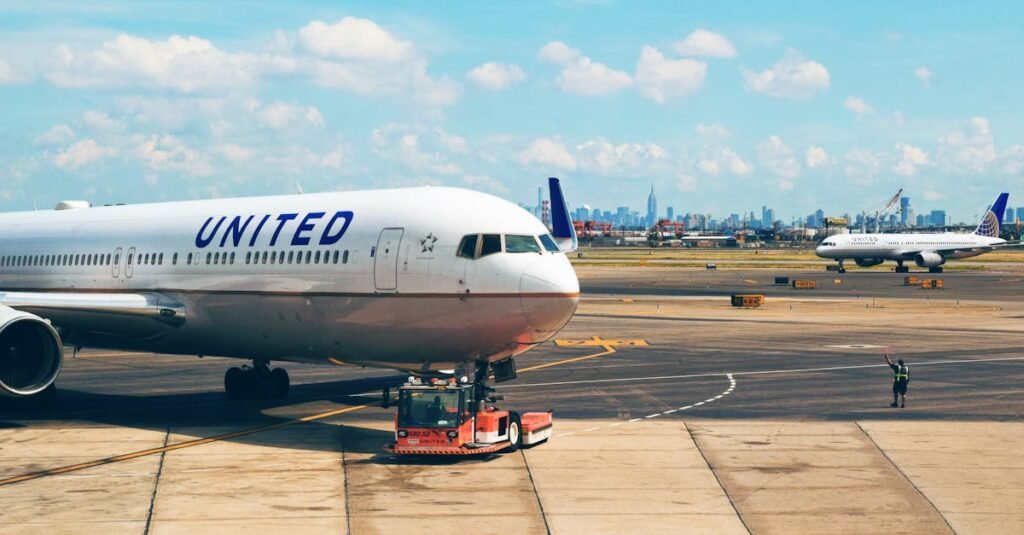
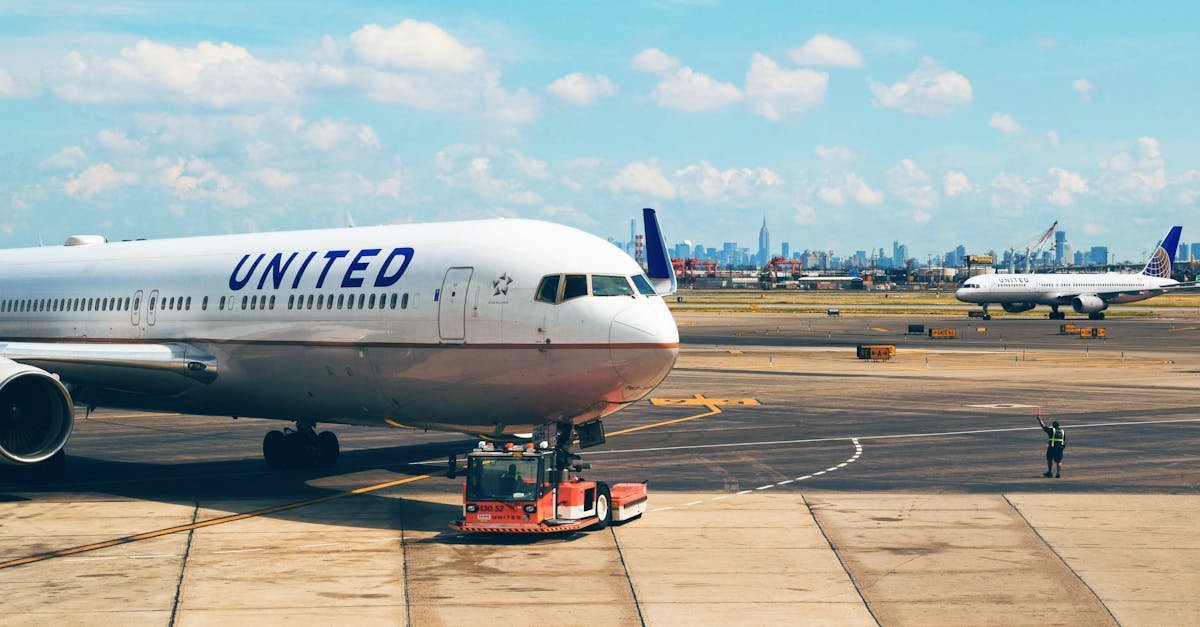
    United Airlines Aircraft on the runway at Newark Airport with city skyline in the background.

    For the majority of flyers who already use headphones, this change is a welcome relief. The days of having to listen to a stranger’s video game or a nearby toddler’s loud cartoon may finally be coming to an end on United flights.

    The success of this policy will depend on how consistently it is enforced. If flight attendants feel supported by the new contract language, they will be more likely to step in and stop noise issues before they bother the whole row. For travelers, the takeaway is simple: if you want to fly with United, make sure your headphones are the first thing you pack.

  • United 787 Engine Fire at LAX: Terrifying Video Shows Passengers Flee in Slides, All We Know So Far

    United 787 Engine Fire at LAX: Terrifying Video Shows Passengers Flee in Slides, All We Know So Far

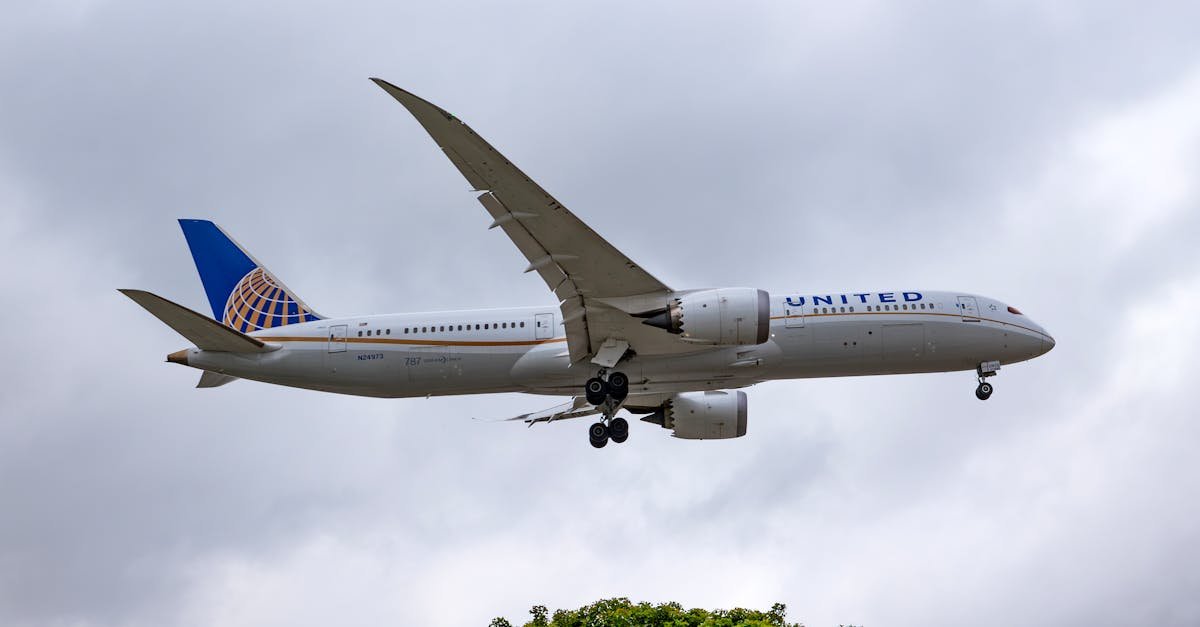
    A routine Monday morning at Los Angeles International Airport turned into a scene of panic and adrenaline when a United Airlines flight was forced to make a desperate return. Passengers aboard United Flight 2127 were settled in for a cross-country journey to Newark, New Jersey, when a mechanical failure transformed their trip into a survival situation. The aircraft, a modern Boeing 787-9 Dreamliner, suffered a significant engine issue shortly after takeoff that led to a full scale emergency response on the tarmac of one of the busiest airports in the world.

    Moments of Terror in the Sky

    The flight departed from LAX around 10:43 AM local time. For the first few minutes, everything seemed normal as the wide-body jet climbed over the Pacific Ocean. However, as the plane reached an altitude of approximately 18,000 feet, the situation changed rapidly. Crew members and passengers on the left side of the aircraft noticed something was wrong with the General Electric GEnx engine.

    Reports from inside the cabin describe a series of thuds followed by the sight of smoke. The flight crew acted immediately by declaring a “Mayday” and requesting an urgent return to Los Angeles. Air traffic controllers cleared a path, grounding other departing flights to ensure the crippled Dreamliner could get back to the ground as quickly as possible. The tension inside the cabin was palpable as the pilots performed a steep turn to align with the runway, all while dealing with a fire indication in the cockpit.

    The Landing and Sudden Evacuation

    By 11:20 AM, the United 787 touched down on Runway 25L. While the landing was technically successful, the danger was far from over. As the plane slowed down on the taxiway, black smoke began to billow from the left engine. Ground crews and Los Angeles Fire Department units were already in position, having been alerted during the plane’s descent.

    Initially, the plan appeared to involve a controlled deplaning using mobile stairs. One set of stairs was even positioned at the front door. But as the smoke thickened and the threat of an active fire grew, the captain made the call for a full emergency evacuation. This is the moment that has captured the attention of the world through viral video footage.

    Sprinting for Safety on the Tarmac

    In the footage captured by onlookers and aviation enthusiasts, the emergency slides on the right side of the aircraft can be seen deploying in rapid succession. The crew specifically chose not to use the left side exits to keep passengers away from the smoking engine.

    The video shows a stream of people sliding down the inflatable chutes. Unlike many recent aviation incidents where passengers have been criticized for grabbing their luggage, the people on Flight 2127 seemed to understand the gravity of the situation. They left everything behind. Once their feet hit the pavement, they didn’t look back. Passengers were seen sprinting across the taxiway, driven by the sight of smoke and the fear of a potential explosion.

    The evacuation was a textbook example of efficiency. Reports indicate that over 250 people cleared the aircraft in less than sixty seconds. This speed is critical in aviation safety, as fire can compromise the fuselage in a very short amount of time.

    A Miracle of Zero Major Injuries

    Despite the chaotic nature of the exit and the speed at which people were running, the outcome was remarkably positive. United Airlines confirmed that 256 passengers and 12 crew members were on board. Out of all those people, only one minor injury was reported, a small cut to a passenger’s finger.

    The lack of injuries is a testament to the training of the United Airlines flight attendants. They are trained to shout commands and push people toward the slides to prevent a bottleneck at the doors. In a situation where every second counts, their ability to maintain order saved lives and prevented the kind of trampling accidents that often occur during mass panics.

    Federal Investigation into the Boeing 787

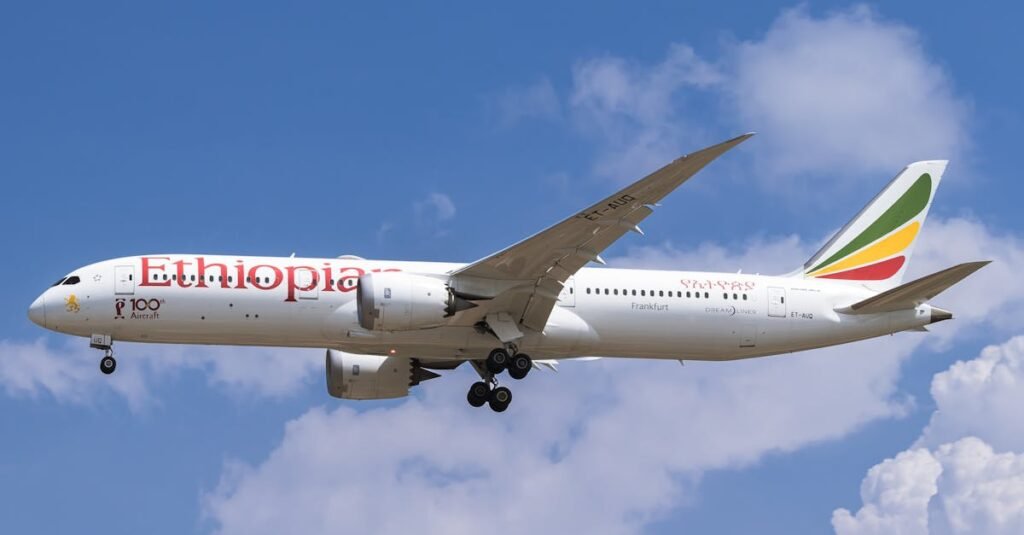
    Side view of Ethiopian Airlines Boeing 787 flying against a blue sky with clouds.

    The Federal Aviation Administration and the National Transportation Safety Board are now looking into the cause of the United 787 engine fire. The aircraft involved, registered as N24972, is a relatively modern piece of equipment. Investigators will focus on whether the fire was caused by a bird strike, a mechanical fatigue failure, or a maintenance oversight.

    The left engine remained the focus of fire crews for over an hour after the landing. Firefighters continued to douse the engine housing with water and foam to ensure that hidden hot spots did not reignite the fuel lines. The plane will likely remain grounded at LAX for an extensive period as investigators dismantle the engine to find the root cause of the failure.

    Impact on LAX Operations

    The emergency landing caused significant ripples through the air travel network. The FAA issued a temporary ground stop for all flights heading into LAX while the taxiway was cleared and the emergency was managed. This resulted in delays for thousands of travelers across the country.

    While the ground stop was lifted by early afternoon, Runway 25L remained closed for several hours. This particular runway is a primary artery for the airport, and its closure forced controllers to reroute traffic, leading to a backlog of departures. United Airlines worked quickly to bus the evacuated passengers back to the terminal, where they were provided with food, water, and eventually, seats on a replacement aircraft to finish their journey to Newark.

    Safety Lessons from Flight 2127

    Aviation experts are already pointing to this incident as a success story in terms of safety protocol. The decision to evacuate on the side opposite the fire is a standard but vital procedure. Furthermore, the fact that passengers followed instructions and abandoned their carry on bags played a massive role in the high speed of the evacuation.

    When people stop to grab laptops or suitcases from overhead bins, they block the aisles. In a real fire, those extra seconds can be the difference between life and death due to smoke inhalation. The imagery of passengers running away from the United 787 serves as a stark reminder of why these rules exist.

    What Happens Next for the Passengers

    For the 256 people who were on that flight, the day will be remembered as a brush with disaster. United Airlines has stated that it is cooperating with all authorities and taking care of the needs of the affected travelers. Most of the passengers were eventually placed on a different plane to continue to the East Coast, though some opted to stay in Los Angeles or find alternative travel arrangements after the traumatic experience.

    The airline will also have to deal with the logistical nightmare of returning the luggage left on the original plane. Because the aircraft is now part of an active federal investigation, it may be some time before passengers are reunited with their personal belongings.

    Looking Toward the Investigation Results

    In the coming weeks, the data from the flight data recorder and the cockpit voice recorder will be analyzed. This information will tell the story of exactly what the pilots saw and felt in the moments leading up to the landing. For now, the focus remains on the bravery of the crew and the quick thinking of the first responders who prevented a bad situation from becoming a tragedy.

    The aviation community will be watching closely to see if there are any fleet wide implications for the Boeing 787 or the GEnx engines. Until then, the dramatic footage of the evacuation stands as a powerful visual of a crisis managed with professional precision.

  • American Airlines, United, and Delta Suspend Middle East Flights: Emergency 2026 Travel Guide and Refund Rights

    American Airlines, United, and Delta Suspend Middle East Flights: Emergency 2026 Travel Guide and Refund Rights

    The landscape of international travel faced a seismic shift on February 28, 2026, as the three largest carriers in the United States made the difficult call to halt operations to the Middle East. Following a night of intense military activity and the closure of several key air corridors, American Airlines, United, and Delta have grounded flights to ensure the safety of their passengers and crew members. For many travelers, this news broke while they were already at the gate or, in some dramatic cases, while their planes were already soaring over the Atlantic Ocean.

    The decision comes at a time of extreme regional tension. With airspaces over Doha and Dubai essentially closed to civilian traffic, the logistics of flying into the Gulf have become impossible. If you are currently holding a ticket with American Airlines or one of its domestic competitors, you are likely facing a storm of questions regarding your travel plans, your money, and your next steps. This guide breaks down exactly what is happening on the ground and in the air.

    Why American Airlines and Others Pulled the Plug

    The primary driver for these cancellations is the safety of the flight paths. On the morning of February 28, 2026, military strikes led to the immediate activation of air defense systems across the region. Civilian aircraft are particularly vulnerable in these scenarios, and no airline is willing to risk flying into a potential crossfire.

    American Airlines was among the first to react when its flight from Philadelphia to Doha was forced to turn back mid flight. This was not an isolated incident. United and Delta quickly followed by scrubbing their schedules for the foreseeable future. The Federal Aviation Administration has also issued a series of warnings that make it legally and operationally difficult for any US based carrier to maintain their regular routes through the Middle East.

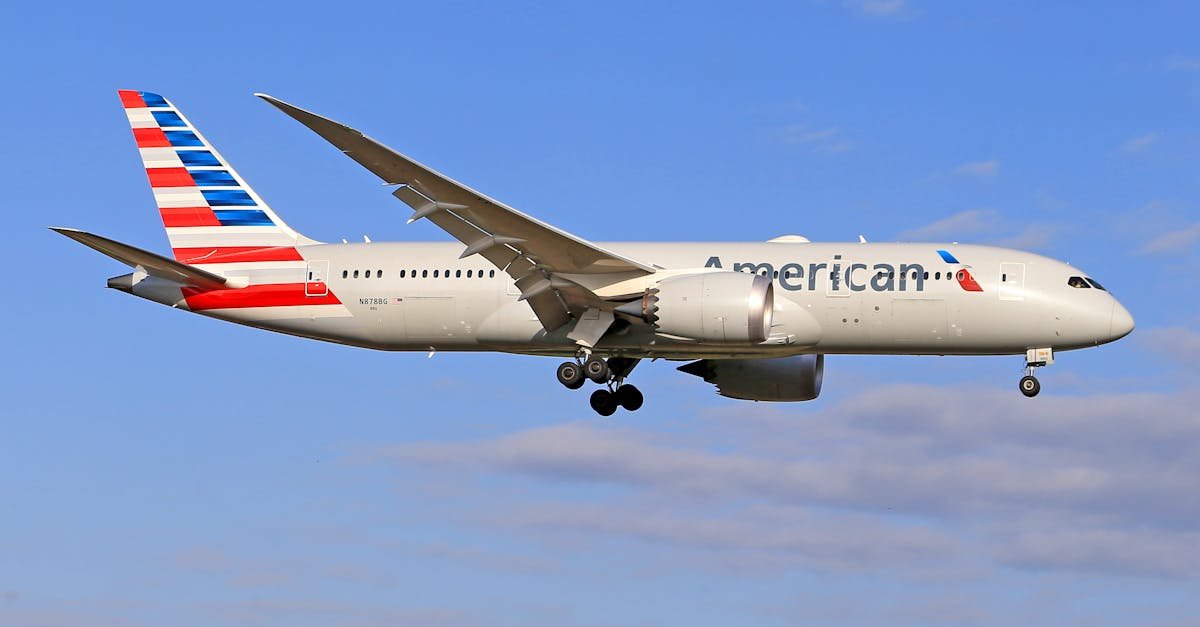
    Side view of a commercial airplane in flight against a clear blue sky.

    The Massive Diversions of February 28

    One of the most striking stories of the day involved an American Airlines long haul flight. Passengers on the Philadelphia to Doha route spent nearly seven hours in the air only to be told that the plane had to return to its origin point. Because the airspace in Qatar was suddenly restricted, the pilots had no choice but to execute a U turn over the ocean.

    This creates a massive logistical headache. These “flights to nowhere” mean that planes are ending up in the wrong cities, and flight crews are hitting their legal limits for working hours. If you were on one of these flights, you are likely exhausted and frustrated. American Airlines has set up specialized desks at their major hubs to handle these specific cases, but the sheer volume of travelers means that digital tools are currently your fastest way to get help.

    Understanding Your Refund Rights Under US Law

    When a major disruption like this occurs, airlines often try to offer travel vouchers or credits that expire after a year. However, as a passenger on a US carrier, you have much stronger protections than the airlines might initially mention. The United States Department of Transportation is very clear on this matter. If an airline cancels your flight for any reason, including war or regional conflict, and you choose not to take the alternative flight they offer, you are entitled to a full cash refund.

    This rule applies to all tickets, even those labeled as non refundable. If American Airlines cancels your trip to the Middle East, you do not have to accept a voucher. You can insist that the money be returned to your original credit card or bank account.

    What to Do if You Are Stranded Abroad

    While the Department of Transportation protects your ticket price, it does not strictly require airlines to pay for your hotel or food when the cancellation is due to an act of war or a security threat. This is where the situation gets tricky for those stuck in transit.

    If you are a passenger of American Airlines and you are stuck in a connecting city like London or Madrid, you should immediately speak with a gate agent about “distressed passenger” assistance. While they may not be legally obligated to pay for your room, many carriers provide vouchers for nearby hotels out of goodwill. If they refuse, make sure to keep every single receipt for your meals, transport, and lodging. You will need these to file a claim with your travel insurance provider later.

    Navigating the United and Delta Cancellations

    Delta Air Lines Airbus A350 preparing for takeoff at Taiwan Taoyuan International Airport.

    United Airlines has seen similar chaos, particularly with its popular routes out of Newark Liberty International. Their direct service to Dubai is a major artery for people traveling to the Indian subcontinent. With that route now closed, United is working to rebook passengers on flights that go through Europe or Asia, though those seats are filling up in seconds.

    Delta Air Lines has also paused its Middle East operations. Delta often relies on its European partners like Air France and KLM. Because those airlines have also restricted their flights to the region, Delta passengers are finding that their entire itinerary has been wiped out. If you are in this position, you must check the Delta Travel Advisories page for the most recent updates on rebooking.

    The Importance of Travel Insurance and Credit Card Coverage

    In a situation as volatile as the 2026 conflict, your personal travel insurance is often more valuable than the airline policy itself. Many high end credit cards also offer built in trip interruption insurance. These policies usually cover the extra costs that the airline will not pay for, such as the price of a last minute flight on a different carrier or extended hotel stays.

    When you call your insurance company, tell them your flight was cancelled due to “airspace closure” or “security concerns.” Be prepared to provide your original American Airlines flight number and the official cancellation notice you received via email or text.

    Staying Safe with Government Programs

    For any American citizen currently in or near the conflict zone, the situation goes beyond just a missed flight. The US State Department has issued urgent travel warnings for the region. They highly recommend that all travelers enroll in the Smart Traveler Enrollment Program. This allows the US government to know your location and send you emergency updates about evacuation flights or airport reopenings.

    Preparing for Long Term Schedule Shifts

    Even if the military tension cools down in the next few days, do not expect American Airlines to resume a normal schedule immediately. The aviation industry is a delicate web. When hundreds of flights are cancelled at once, the planes and the pilots end up in the wrong parts of the world.

    It can take weeks to reset the system. If you have a flight booked for later in March or April of 2026, you should keep a very close eye on your email. There is a high chance of “schedule padding,” where airlines add extra time to flights to account for the longer routes they must now take to avoid the restricted airspace.

    Managing Your Journey Moving Forward

    The closure of these air corridors is a historic event for global aviation. While the primary concern for everyone involved is the restoration of peace and safety, the immediate task for travelers is to stay informed and protect their rights. American Airlines and its competitors are dealing with an unprecedented volume of requests, so patience is a necessity.

    Focus on using the mobile apps for the fastest updates, and remember that you are legally entitled to your money back if the airline cannot get you to your destination. Stay safe, stay connected, and keep your travel documents in a secure and accessible place at all times.

  • Delta, United and American Airlines International Routes: What US Travelers Need to Know During the Mexico Crisis 2026

    Delta, United and American Airlines International Routes: What US Travelers Need to Know During the Mexico Crisis 2026

    Traveling to Mexico has long been a staple for American vacationers seeking sun, culture, and relaxation. However, the events of late February 2026 have shifted the landscape significantly. Following a major military operation on February 22 that resulted in the death of a high profile cartel leader, several regions in Mexico experienced a sudden wave of civil unrest. For those with tickets on Delta, United, or American Airlines, navigating this situation requires more than just checking a flight board. It involves understanding specific airline waivers, regional safety alerts, and the logistical reality of a country in flux.

    The Spark of the Current Crisis

    The current instability stems from a military engagement in Jalisco that targeted the leadership of the Jalisco New Generation Cartel. In the immediate aftermath, retaliatory actions including roadblocks and vehicle fires were reported across more than a dozen states. While the Mexican government has worked to clear these blockades, the ripple effect on transportation has been immense. Major tourist hubs and transit points like Guadalajara and Puerto Vallarta bore the brunt of these disruptions, leading to a cascade of flight cancellations and a heightened security presence at transportation hubs.

    The U.S. State Department and the U.S. Embassy in Mexico City issued urgent notices shortly after the violence began.For a period, government employees were ordered to shelter in place in cities like Cancun, Tijuana, and Monterrey.While some of these orders have since been scaled back, the environment remains unpredictable. Travelers are currently advised to exercise extreme caution and stay informed through official channels.

    Delta Air Lines: Flexibility and Rebooking

    Delta airline passenger plane flying in clear blue sky. Ideal for travel and transportation themes.

    Delta Airlines was among the first to respond to the unrest in Jalisco. The carrier recognizes that safety concerns often outweigh the desire to keep a travel date. Delta has issued specific travel waivers for passengers flying to, from, or through affected areas such as Guadalajara and Puerto Vallarta.

    If you are holding a ticket for travel through late February 2026, Delta is allowing a one time change without a fare difference, provided the new travel begins by early March. For those who cannot reschedule within that tight window, the airline is offering the option to cancel the flight and retain the value as a credit for one year. This flexibility is vital for families who may feel uncomfortable heading into a region that was recently under a shelter in place advisory. Delta continues to operate its main hubs in Atlanta, Minneapolis, and Detroit with a focus on repositioning crews that were displaced during the initial peak of the unrest.

    United Airlines: Managing the West Coast Pipeline

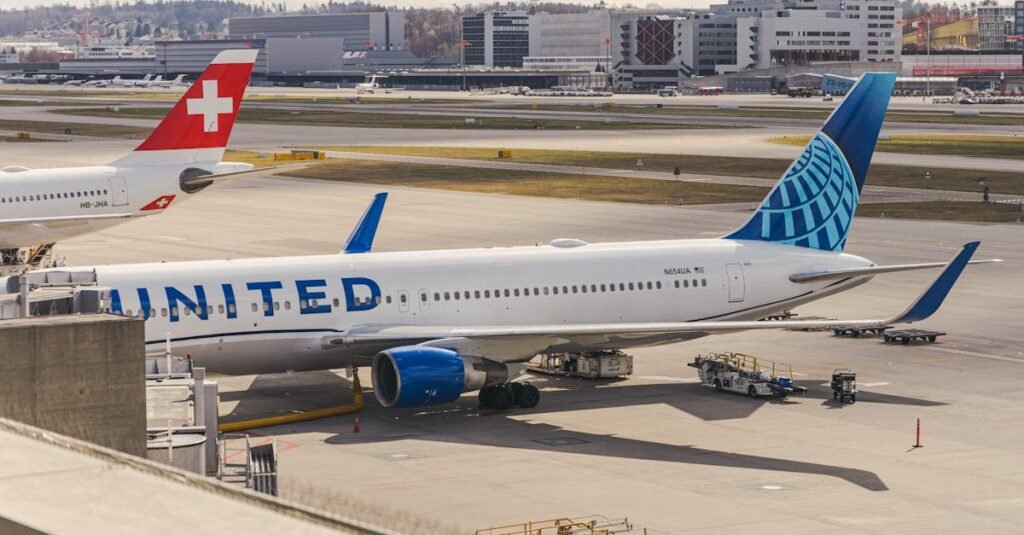
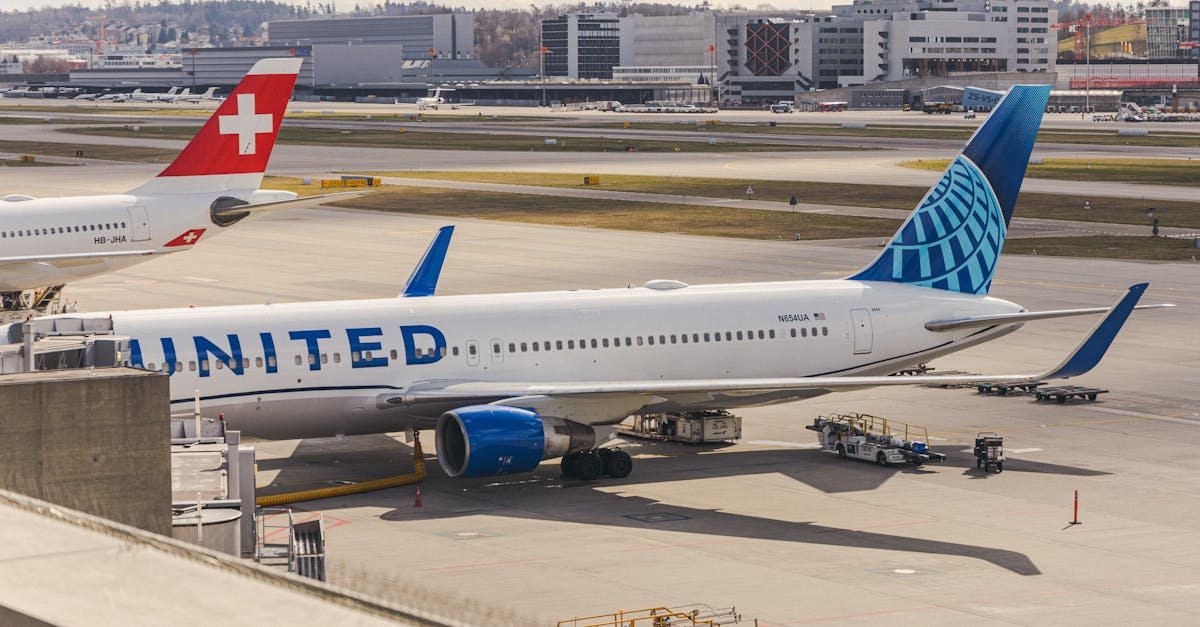
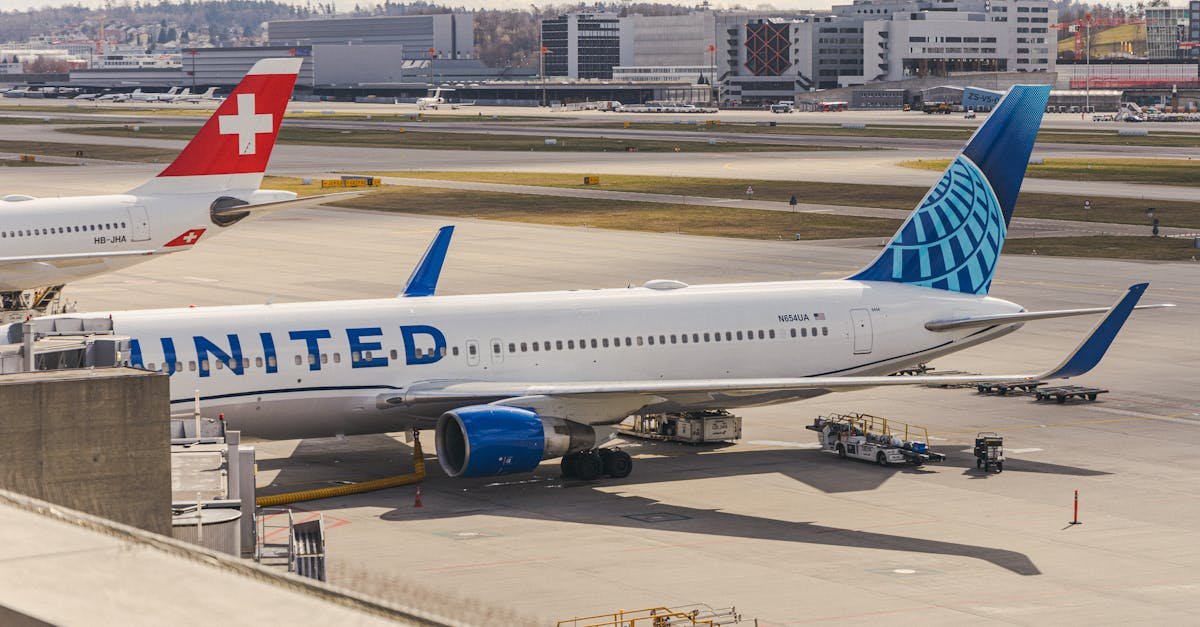
    United Airlines and Swiss planes parked at Zurich airport terminal on a clear day.

    United Airlines maintains a heavy presence in the Mexican market, particularly through its hubs in Houston, Denver, and San Francisco. Because United serves a high volume of business and leisure travelers heading to the Pacific coast of Mexico, the impact of the Guadalajara and Puerto Vallarta disruptions was significant.

    United has implemented a rebooking policy that covers original travel dates through the end of February. Passengers can shift their flights to a later date without paying a change fee or a difference in fare, as long as they stay in the same cabin and complete their travel by the first week of March. United has also utilized its “Agent on Demand” feature in its mobile app to help stranded passengers find alternative routes through less affected cities like Mexico City or Cabo San Lucas, where operations have remained relatively stable.+1

    American Airlines: Navigating a Difficult Week

    American Airlines has faced a particularly challenging week. In addition to the security crisis in Mexico, the airline dealt with separate operational hurdles in the Northeast United States. This “double hit” meant that American had to cancel a significant number of flights to Mexico on February 22 and 23.

    For travelers heading to Mexico, American Airlines has issued waivers for several key destinations, including Mazatlan, where U.S. government staff were restricted from traveling through February 25. If your flight was canceled by the airline, you are entitled to a full refund to your original form of payment. If you choose to keep your plans but want to delay them, American is waiving change fees for impacted routes. It is worth noting that some American flights actually turned around mid air when the violence first escalated, so checking the status of your specific aircraft is more important now than ever.

    Key Airports and Regional Status

    While the news often paints a broad brush, the crisis has affected different parts of Mexico in different ways. Knowing the status of your specific destination is crucial for a safe trip.

    • Puerto Vallarta (PVR) and Guadalajara (GDL): These were the epicenters of the flight disruptions. While flights have begun to resume, the availability of flight crews remains a bottleneck. Many ride share services were temporarily suspended in these cities, so traditional taxis or hotel shuttles are the more reliable choice for now.
    • Cancun and the Riviera Maya: This region saw a brief shelter in place order for government officials, but the situation has stabilized faster here than in the west. Most flights are operating on schedule, though travelers are still urged to stay within resort perimeters.
    • Tijuana and Baja California: Roadblocks impacted the areas near the border, making land crossings risky. Travelers are encouraged to fly directly into their destination rather than crossing the border by car.
    • Mexico City (MEX): The capital has remained the most stable transit point. Many travelers have successfully reached their final destinations by rerouting through Mexico City and taking domestic connections.

    Essential Safety Tips for US Travelers

    If you decide to proceed with your travel plans, you must take extra precautions to ensure your safety and your ability to return home.

    First, enroll in the Smart Traveler Enrollment Program (STEP). This is a free service provided by the U.S. government that allows the Embassy to contact you in an emergency. Second, keep a digital and physical copy of your passport and entry documents in separate locations.

    Avoid traveling on highways at night. Many of the reported incidents involved roadblocks on major toll roads. If you must travel between cities, do so during daylight hours and stick to the most frequented routes. Lastly, stay in constant contact with your airline. Use their mobile apps to receive real time notifications, as the situation on the ground can change within minutes.+2

    Looking Ahead to March 2026

    As we move toward the end of February, the frequency of violent incidents has decreased, and the Mexican military has increased its presence in tourist zones to restore confidence. Most airlines expect to return to a full schedule by the first week of March, provided no further retaliatory actions occur.

    The crisis serves as a reminder of how quickly the travel landscape can change. For now, the best strategy is a mix of flexibility and caution. If you are unsure about your safety, the generous waiver policies from Delta, United, and American provide a safety net that allows you to postpone your trip without losing your financial investment.

  • Is Your Mexico Flight Canceled? How American Airlines, United, and Southwest Are Responding to ‘El Mencho’ Unrest

    Is Your Mexico Flight Canceled? How American Airlines, United, and Southwest Are Responding to ‘El Mencho’ Unrest

    The sudden death of Nemesio Oseguera Cervantes, the notorious leader of the Jalisco New Generation Cartel known as El Mencho, has sent shockwaves through the aviation industry. Following a high stakes military operation in Tapalpa on February 22, 2026, retaliatory violence erupted across Western Mexico, leading to a cascade of flight cancellations. For travelers with upcoming plans to Guadalajara, Puerto Vallarta, or Mazatlan, the situation is evolving rapidly as major carriers prioritize crew and passenger safety. While all airlines are under pressure, American Airlines has been particularly vocal about its commitment to passenger safety during this period of civil unrest.

    American Airlines Takes Decisive Action in Jalisco

    As a primary carrier for North American tourists, American Airlines has faced significant operational hurdles in the wake of the Jalisco violence. The airline acted quickly to ensure that its staff and passengers were not caught in the crossfire of cartel retaliatory strikes.

    On Sunday afternoon, American Airlines suspended all operations at Puerto Vallarta International Airport and Guadalajara International Airport. The carrier cited safety concerns regarding ground transportation as the main reason for the suspension. Even though airport terminals are under the protection of the Mexican National Guard, the transit routes to and from these facilities have been compromised by burning vehicles and illegal checkpoints.

    American Airlines has issued a special travel alert for those flying to, from, or through affected cities. This policy allows travelers to rebook their flights without change fees. The airline is currently prioritizing customers who are stuck in Mexico, working to schedule recovery flights as soon as local security officials give the all clear signal.

    The Operational Impact on United and Southwest

    United Airlines Aircraft on the runway at Newark Airport with city skyline in the background.

    While American Airlines manages its extensive network in the region, other major carriers like United and Southwest are also grappling with the fallout from the death of El Mencho.

    Southwest Airlines made headlines on February 22 by turning back four flights that were already in the air and headed for Puerto Vallarta. The airline has since canceled the majority of its schedule to the region through the middle of the week. Southwest has stated that they will send empty aircraft to repatriate stranded passengers and employees once the security situation stabilizes and the threat of roadside violence diminishes.

    United Airlines has implemented a similar strategy, issuing a civil unrest travel waiver for passengers booked between February 22 and February 25, 2026. This waiver permits travelers to push their trips to as late as March 4, 2026, without incurring additional costs. United is monitoring the situation from its operations center in Chicago, staying in constant contact with the United States State Department regarding the safety of the airspace and terminal surroundings.

    Why the Death of El Mencho Grounded Aviation

    The crisis began when Nemesio Oseguera Cervantes, who had a fifteen million dollar bounty on his head, was killed during a gun battle with the Mexican Army. He was being airlifted to Mexico City for medical treatment when he succumbed to his injuries. The Jalisco New Generation Cartel, often called the CJNG, responded with a strategy known as narcobloqueos.

    These blockades involved hijacking large commercial trucks and setting them on fire to block major highways. This effectively cut off access to the Puerto Vallarta and Guadalajara airports. For an airline like American Airlines, which relies on a seamless flow of passengers and flight crews between hotels and the tarmac, these roadblocks created an impossible operational environment. Reports of gunfire near major tourist zones further complicated the situation, leading to the current shelter in place orders.

    Airport Security and Current Facility Status

    Despite the chaos on the roads, the airports themselves have remained relatively secure zones. The Mexican National Guard and the Ministry of National Defense have deployed heavy reinforcements to protect the perimeter of major hubs.

    • Guadalajara (GDL): The airport remains open but is operating with a skeleton crew. Many airport workers are unable to reach the terminal due to the suspension of public transit and the danger of highway travel.
    • Puerto Vallarta (PVR): This airport saw the most significant impact on international travel. While the internal safety of the airport has not been breached, almost all international arrivals were halted through Monday morning.
    • Mazatlan (MZT): Security has been tightened here as a precaution, with American Airlines and others monitoring for any sign that the violence is moving toward the state of Sinaloa.

    Guidance and Contact Information for Travelers

    If you are a passenger currently holding a ticket with American Airlines, United, or Southwest, you should prioritize digital communication. Airport counters are expected to be overwhelmed, and travel to the airport is currently discouraged by the United States government.

    American Airlines Support

    For those traveling with American Airlines, the most efficient way to manage your trip is through the official website or the mobile app.

    • Customer Service Number: 1-800-433-7300
    • Action Step: Look for the travel alert banner on the home page to see if your specific flight qualifies for an automated rebooking or refund.

    United Airlines Support

    United passengers can utilize the “My Trips” section of the United app to check for flight status updates.

    • Customer Service Number: 1-800-864-8331
    • Action Step: Ensure your contact information is up to date in your MileagePlus profile to receive text alerts regarding diversions or cancellations.

    Southwest Airlines Support

    Southwest encourages travelers to use their website for the fastest service, as hold times on phone lines are expected to be high.

    • Customer Service Number: 1-800-435-9792
    • Action Step: Check the “Travel Advisories” page for specific details on the Jalisco Mexico Civil Unrest policy.

    What to Expect Next

    Aviation analysts expect the disruption to continue for several days. Even if the violence subsides, the backlog of stranded passengers will take time to clear. American Airlines and its competitors are currently coordinating with the Federal Aviation Administration and Mexican civil aviation authorities to determine when it will be safe to resume a full schedule.

    The death of El Mencho is a historic event in the fight against cartel power, but the immediate result is a logistical nightmare for thousands of travelers. If you are in the affected region, follow the advice of local authorities and remain in your hotel or residence until your airline confirms a safe departure time. This is a developing story, and travelers should remain vigilant as the security landscape in Jalisco and surrounding states continues to shift.