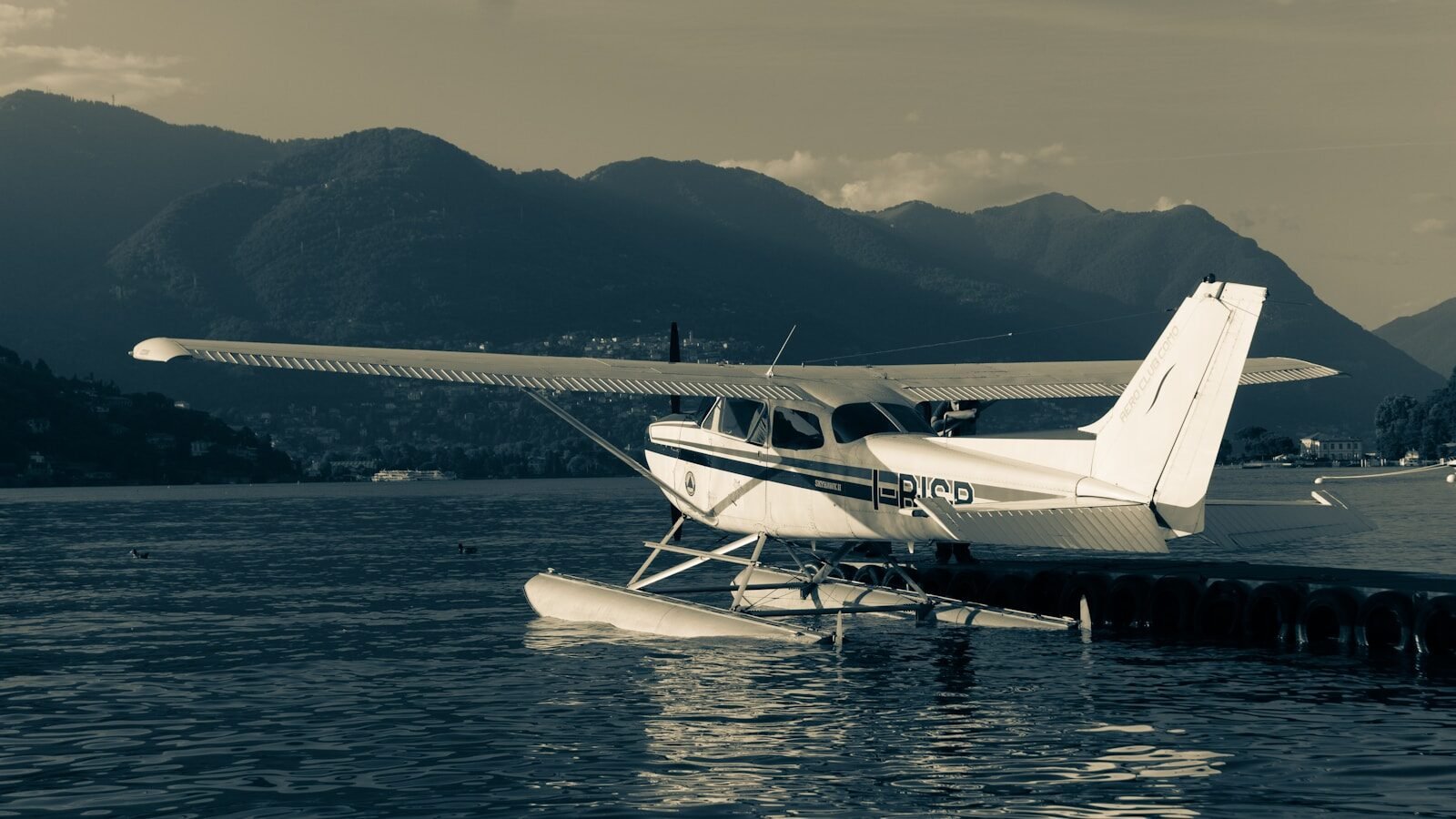
Aviation enthusiasts and casual onlookers in Arizona recently witnessed an event that looked like a scene straight out of a historical movie. A vintage World War II-era seaplane bypassed the traditional runways of Phoenix Sky Harbor International Airport and the surrounding desert airfields, making an unexpected touchdown directly on a public roadway.
The sight of a historic flying boat resting on asphalt instead of water immediately drew widespread attention. Beyond the spectacle, the incident highlights the complex challenges of operating vintage radial-engine aircraft in modern airspace, the intense workload pilots face during sudden mechanical failures, and the strict safety protocols that prevented a potential disaster.
Everyone on board walked away without injury. However, the unexpected arrival of a water-designed warbird on a suburban street has prompted a federal investigation and raised numerous questions within the aviation community.
The Mechanical Chain of Events Leading to the Emergency Landing
Operating a classic warbird requires a deep understanding of mid-twentieth-century engineering. Unlike modern turboprops or digital jet engines, vintage radial engines rely on intricate mechanical linkages, complex oil systems, and manual fuel management. During this specific flight, the crew noticed anomalies shortly after taking off or while transitioning through the local airspace.
According to initial reports, the engine suddenly produced an unusual, loud noise, which was quickly followed by smoke entering the cockpit. In any aircraft, smoke in the cabin is an immediate red flag that requires urgent action. In a vintage airplane, it often points to an uncontained mechanical failure, such as a blown cylinder, a ruptured oil line spraying onto hot exhaust components, or an electrical malfunction.
As the smoke began to obscure visibility and create a breathing hazard, the flight crew had to act within seconds. They needed to isolate the issue while looking for a suitable place to put the aircraft down.
How the Pilot Managed the Descent and Flight Controls
When an engine fails or creates a hazardous cockpit environment, a pilot’s primary responsibility is to maintain control of the aircraft. This classic aviation rule is taught from day one: aviate, navigate, communicate.
Wing-mounted camera footage captured the exact moments of the descent, showing how the pilot managed the airplane’s remaining energy. Without sufficient engine power, a seaplane becomes a heavy glider with a relatively high descent rate due to the aerodynamic drag caused by its boat-hulled fuselage and specialized landing gear configurations.
The pilot had to choose between attempting to reach a distant airport runway or utilizing the wide, flat surface of a local street. Choosing a public road introduces massive variables, including power lines, traffic lights, vehicles, and pedestrians. The video footage reveals a stabilized approach, indicating that the pilot carefully managed the airspeed to avoid a aerodynamic stall while steering clear of roadside obstructions.
Landing a seaplane on hard pavement is inherently difficult. Many amphibious vintage aircraft feature retractable wheels built into the hull or floats. If the gear was deployed, the aircraft would roll like a standard airplane but lack the advanced braking systems found on modern jets. If it was a pure flying boat without wheels, the pilot would have to scrape the metal hull directly onto the asphalt, a maneuver requiring immense precision to prevent the aircraft from flipping or spinning out of control.
Federal Investigators Step In to Examine the Vintage Warbird
Because this incident involved a forced touchdown outside of an airport environment, the National Transportation Safety Board, working alongside the Federal Aviation Administration, took immediate control of the scene. The NTSB investigation will focus heavily on the mechanical history of the aircraft and the specific component that failed.
Investigators will review the aircraft’s maintenance logs, focusing on recent engine overhauls, oil analysis records, and compliance with vintage aircraft safety directives. They will also analyze the wing-cam video frame by frame to correlate the timing of the engine noise and smoke production with the pilot’s control inputs.
A major part of the investigation will involve dismantling the engine to find the root cause of the smoke. Finding replacement parts for World War II-era powerplants, such as Pratt & Whitney or Wright radial engines, often requires sourcing components from specialized vintage aviation groups or fabricating pieces to original specifications. The NTSB will determine if material fatigue, a maintenance oversight, or a counterfeit vintage part contributed to the failure.
Challenges of Flying Amphibious Warbirds in Dry Environments
Flying a seaplane in a desert environment like Phoenix presents unique operational challenges. These aircraft were designed to operate from water bases or coastal regions where ambient temperatures are often moderated by the sea. The high density altitude common in Arizona, caused by intense heat and elevation, significantly degrades engine performance and aerodynamic lift.
Radial engines are primarily air-cooled, meaning they rely on a steady flow of forward air to keep engine temperatures within safe limits. When operating in hot desert air, the margin for error shrinks dramatically. Cylinders heat up much faster, and engine oil thins out, reducing its lubricating properties.
Pilots who fly historic aircraft in these regions must constantly monitor cylinder head temperatures and oil pressure gauges. A sudden spike in temperature can lead to catastrophic internal engine damage in a matter of minutes, forcing the crew into a situation where an emergency landing becomes the only option.
The Operational Impact on Local Air Traffic and Infrastructure
While the safe outcome is a testament to the pilot’s skill, the physical presence of a World War II seaplane on a public street caused immediate logistical challenges. Local police and fire departments had to secure the area, divert traffic, and establish a safety perimeter due to the potential hazard of leaking aviation fuel.
Unlike a standard vehicular accident, a grounded aircraft cannot simply be towed away by a traditional wrecker. Aviation recovery teams had to assess the structural integrity of the airframe before attempting to move it.
If the landing gear was damaged or unavailable, cranes and specialized flatbed trailers had to be brought in to lift and transport the vintage machine without causing further destruction to its historic hull and wings. This process required hours of coordination between municipal authorities, recovery crews, and FAA officials, resulting in significant delays for local commuters and a temporary disruption to regional utility lines.
Why This Matters for Travelers and Aviation Enthusiasts
Events like this serve as a stark reminder of the rigorous standards governing general aviation and historic aircraft preservation. For frequent travelers who look out the window of a commercial jetliner, seeing a vintage warbird on a local street underscores the diversity of the airspace shared by commercial airliners and private operators.
The successful outcome of this emergency landing highlights why pilot training emphasizes emergency procedures so heavily. Even when equipment from a bygone era fails, the core principles of aerodynamics and emergency management remain completely unchanged.
The aviation community watches these incidents closely because the findings from the NTSB can influence safety recommendations for all historic aircraft operators worldwide. Preserving living history by keeping these planes flying requires absolute transparency when things go wrong, ensuring that other pilots of vintage aircraft can learn from the mechanical failures of the past.
Leave a Reply