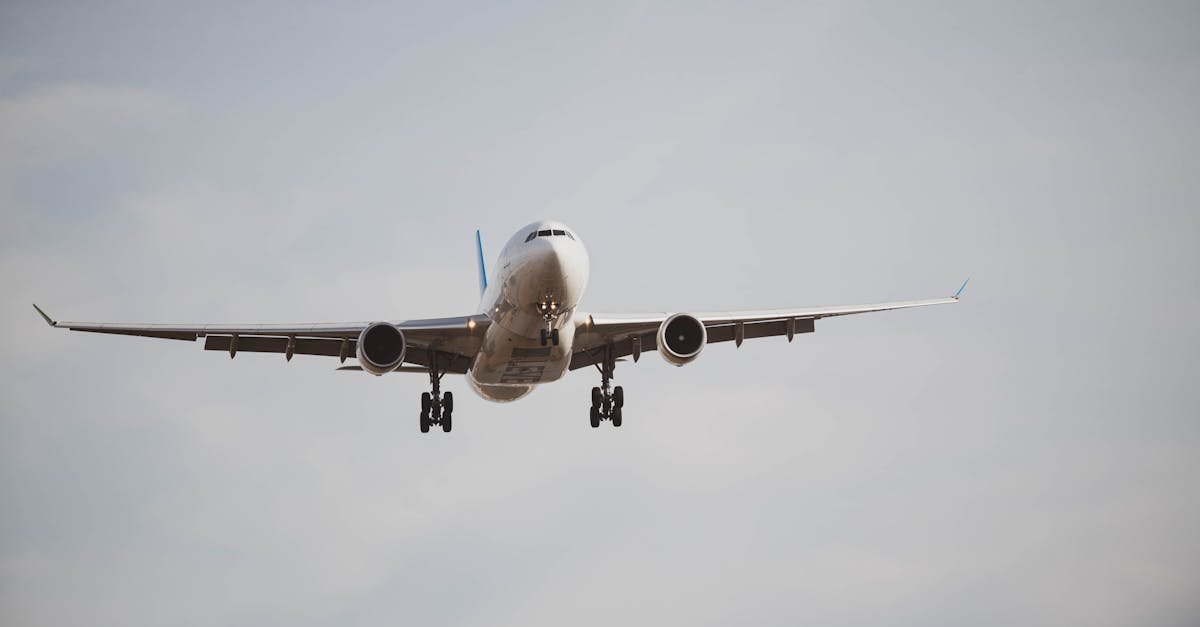
A quiet Wednesday night at Los Angeles International Airport nearly turned into a major disaster when a Frontier Airlines jet narrowly avoided a collision on the tarmac. The Federal Aviation Administration is now digging into why two ground vehicles suddenly crossed the path of a massive Airbus A321 as it prepared for departure. This close call has sent ripples through the aviation community, especially since it happened so shortly after a tragic runway accident in New York.
The incident took place around 11:25 p.m. on April 8, 2026. Frontier Flight 3216 was taxiing slowly toward its takeoff point, bound for Atlanta. Everything seemed routine until two trucks suddenly darted across the taxiway directly in front of the aircraft. The pilots were forced to react instantly, slamming on the brakes to avoid what could have been a devastating impact.
Panic on the Tarmac and the Heat of the Moment
Air traffic control audio captured the raw tension of the situation. Immediately after stopping the plane, the pilot radioed the tower with a voice that carried both frustration and disbelief. He reported that two trucks had just cut them off and that the evasive action was so sudden he might need to check on the passengers and flight attendants in the cabin.
The pilot described the event as the closest he had ever seen in his career. In the heat of the moment, the crew’s training took over, but the emotional toll was evident in the cockpit recordings. The aircraft was moving at approximately 15 mph at the time. While that might sound slow for a car, an Airbus A321 is a massive machine that carries thousands of pounds of fuel and hundreds of people, making a sudden stop a violent and dangerous maneuver.
Blind Spots and Safety Gaps at LAX
One of the most concerning details emerging from the preliminary investigation is where the incident occurred. The near miss happened at the intersection of taxiways Kilo and Bravo. This specific area is known as an ATC non visibility zone. Because of the physical layout of the airport and certain buildings blocking the view, air traffic controllers in the tower cannot actually see the planes or vehicles in this spot with their own eyes.
In these blind spots, controllers rely on technology and the adherence to strict protocols by everyone on the ground. While pilots are in constant radio contact with the tower, the drivers of ground vehicles often are not. At LAX, vehicles on service roads are legally required to yield to aircraft at all times. In this instance, that basic rule of the road was ignored, and the results could have been fatal if not for the quick reflexes of the Frontier flight crew.
The Shadow of the LaGuardia Tragedy
This close call comes at a time when the flying public is already on edge. Just weeks ago, on March 22, 2026, a much darker scene played out at New York City’s LaGuardia Airport. An Air Canada Express flight, a Bombardier CRJ900, collided with a fire truck while landing. That crash was catastrophic, resulting in the deaths of both pilots and leaving dozens of passengers injured.
The LaGuardia crash was a nightmare scenario. In that case, a controller had cleared the fire truck to cross the runway while the plane was already touching down. By the time the mistake was realized, it was too late. The fact that another vehicle incursion happened at a major hub like LAX so soon after the New York tragedy has many experts calling for a complete overhaul of how ground traffic is managed.
Frontier Airlines Responds to the Scare
Following the incident, Frontier Airlines released a statement expressing relief and gratitude. The company confirmed that there were no injuries among the crew or the passengers. They highlighted the vigilance of the pilots, noting that their professionalism prevented a bad situation from becoming a headline about a tragedy.
After the sudden stop, the pilots took a moment to ensure the aircraft was still fit for flight and that everyone in the back was unhurt. Once they received the green light, they continued their taxi and eventually took off for Atlanta, arriving safely later that night. However, the flight crew’s experience that evening serves as a stark reminder of the thin line between a normal workday and a life changing event.
Expert Analysis on the Rising Risk of Ground Incursions
Aviation safety analysts are beginning to look at the bigger picture. Steve Arroyo, a former commercial pilot with decades of experience, pointed out that while these types of “near misses” happen more often than the public realizes, the frequency and severity seem to be increasing. He noted that the “ramp” and taxiway areas are some of the most complex environments in the world.
With more flights than ever before and a push for faster turnaround times, the pressure on ground crews is immense. When you combine that pressure with physical blind spots and a lack of direct communication between vehicle drivers and air traffic controllers, you have a recipe for trouble. Experts are now suggesting that ground vehicles should be equipped with the same type of transponders used by aircraft, which would allow controllers to see their exact position on a digital map, even when they are hidden behind a building.
Federal Investigators Take the Lead
The FAA investigation is currently focused on identifying the specific vehicles and drivers involved. While the pilot mentioned that the trucks “scurried away” and were hard to identify in the dark, airport police were dispatched immediately to the area to track them down. Investigators will be looking at GPS data from airport service vehicles and reviewing any available security footage.
Beyond just blaming the drivers, the FAA will look at the systemic failures. Was there a lack of signage? Did the drivers receive proper training for night operations? Is the layout of the service road at the Kilo and Bravo intersection inherently dangerous? These are the questions that will be answered in the coming months as the final report is compiled.
Looking Toward a Safer Airfield Future
The ultimate goal of this investigation is to ensure that a “close call” doesn’t become a “collision” next time. The aviation industry has a long history of learning from mistakes. Every time a pilot has to “slam on the brakes,” it provides data that can be used to improve safety for everyone.
Possible changes could include installing automated warning lights at service road intersections that trigger when a plane is approaching. There is also talk of increasing the number of “hot spot” designations at LAX, which alerts pilots and drivers to areas where extra caution is required. For now, the focus remains on the bravery and skill of the crew who managed to keep their cool when two trucks appeared out of the darkness.
Moving Forward After the Close Call
As the FAA continues its work, the aviation world remains focused on the human element of safety. Technology can do a lot, but at the end of the day, it was the watchful eyes of a pilot that saved the day at LAX. The incident serves as a wake up call for airport authorities across the country to re-examine their ground safety protocols.
Passengers boarding their next flight can take some comfort in knowing that the systems in place—and the people operating them—are designed to catch these errors before they turn into accidents. However, the pressure is now on federal agencies to close the gaps in communication and visibility that allow these dangerous intersections to exist. The sky is safe, but the ground still has some catching up to do.
Leave a Reply