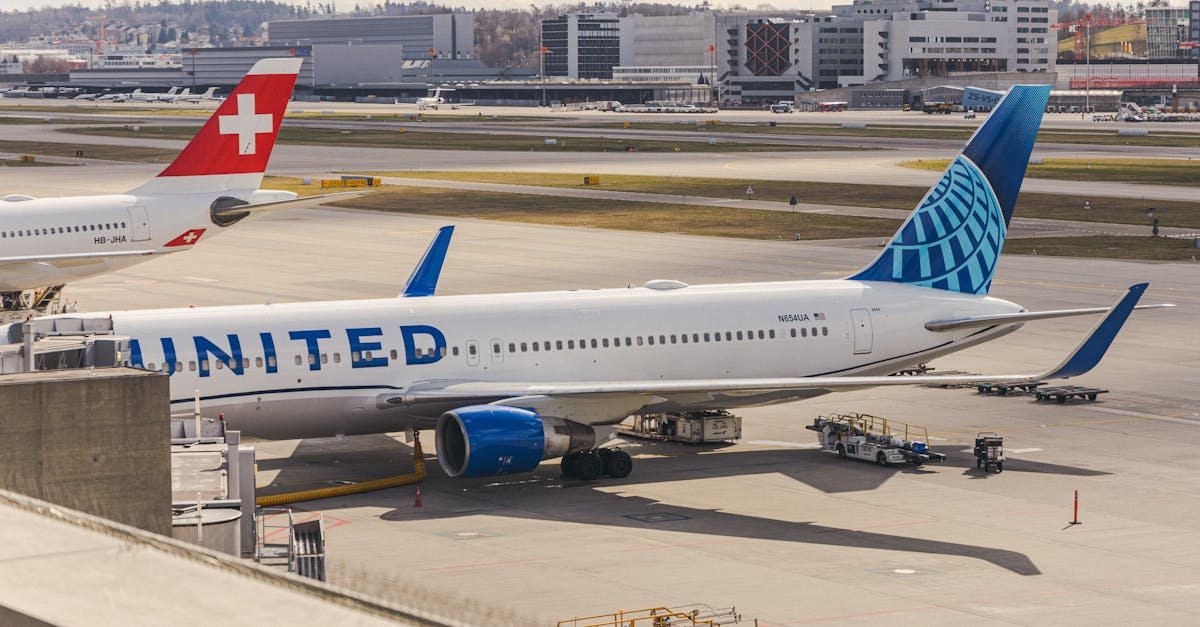
The aviation world is closely watching the unfolding details of a ground collision at Denver International Airport involving a United Airlines Boeing 737-800. According to the preliminary findings from the National Transportation Safety Board, known as the NTSB, a routine winter departure turned into a significant safety incident. The core of the problem appears to be a breakdown in communication that led a flight crew to move their massive aircraft while de-icing equipment and personnel were still actively working on the wings.
This event serves as a stark reminder of how quickly a high pressure environment like a busy airport can lead to physical damage and safety risks when protocols are not perfectly synchronized.
The Morning of the Incident at Denver International Airport
On March 6, United Airlines flight 605 was preparing for a scheduled trip from Denver to Nashville. Denver is a major hub for United, and winter weather frequently necessitates de-icing procedures to ensure flight safety. For this specific flight, the crew taxied the Boeing 737-800 to a designated area known as de-ice pad C, specifically spot C5.
At this location, the aircraft was met by a team from Aeromag, a company specializing in aircraft de-icing services. The goal was simple: remove any ice or frost and apply a protective layer of fluid to prevent further buildup before takeoff. The aircraft was being treated with Type 4 fluid, which is a thickened green liquid designed to stay on the wings during taxiing and only blow off once the plane reaches high speeds on the runway.
Inside the Cockpit: A Critical Misunderstanding
While the ground crews were busy outside, the flight crew remained inside the cockpit. According to statements provided to investigators, the captain and the first officer were engaged in a conversation while the de-icing was underway. This is a common time for pilots to review paperwork or discuss flight plans, but it also requires them to keep an ear out for specific radio calls.
The first officer reported hearing what they believed was the de-ice team giving the post-de-ice briefing. This briefing is the final confirmation that the work is done, the equipment is clear, and the plane is safe to move. While the captain expressed a moment of uncertainty about whether that specific clearance was meant for their flight, the first officer acknowledged the brief. The first officer even read back details, stating that all de-icing vehicles were behind the safety clearance lines.
Believing they were clear to go, the crew performed their post-de-ice checklists. They then contacted Air Traffic Control and received official clearance to begin taxiing toward the runway.
The Impact on the De-Ice Pad
As the engines throttled up and the Boeing 737 began to roll forward, the reality outside was very different from what the pilots believed. The de-icing process was not actually finished. Four trucks were still positioned around the aircraft. Two trucks, identified as MAG 94 and MAG 95, were located toward the front of the wings. Two other trucks, MAG 28 and MAG 30, were positioned behind the wings.
The ground agents saw the plane start to move and realized immediately that a collision was imminent. In the fast moving environment of a de-ice pad, there was no way for the ground crew to stop the momentum of the jet.
The left wing of the Boeing 737 struck truck MAG 94. Simultaneously, the right wing slammed into truck MAG 95. The force of the impact was significant enough to push MAG 95 onto its side. Inside the cockpit, the pilots felt the jolt of the collision and immediately brought the aircraft to a halt. When they reached out to the de-ice team over the radio, they were informed of the devastating truth: they had never been cleared to leave, and they had just run over their support equipment.
Examining the Damage to the Boeing 737-800
A Boeing 737-800 is a sturdy machine, but it is not built to withstand lateral impacts with heavy machinery. After the passengers were deplaned and the aircraft was moved to a maintenance hangar, the full extent of the damage became clear.
The left side of the aircraft took a heavy hit. Specifically, the left winglet, which is the upward curving tip of the wing, was damaged. Investigators also found damage to the lower skin of the left wing. More concerning was the damage to the slats. Slats are the aerodynamic surfaces on the leading edge of the wing that allow the plane to fly at slower speeds during takeoff and landing. On this aircraft, slats number 1, 5, 6, 7, and 8 were all affected.
On the right side, the lower skin of the wing was also damaged, along with the right aileron. The aileron is a hinged flight control surface that allows the pilot to bank or roll the aircraft. Damage to these primary flight controls meant the aircraft was grounded for extensive, costly repairs.
Lessons in Aviation Communication
The primary takeaway from this NTSB report involves the concept of “hear back” errors and cockpit distractions. Aviation safety relies on a closed loop communication system. When a ground crew gives an instruction, the pilot repeats it back, and the ground crew confirms the readback was correct.
In this instance, it appears that a conversation in the cockpit may have led to a lapse in situational awareness. The fact that the captain was unsure if the clearance was for them, yet the first officer proceeded with the acknowledgement, highlights a breakdown in Crew Resource Management. This is the practice of pilots working together to cross check each other and ensure that no single person makes a mistake that goes unnoticed.
The NTSB will likely look into the radio frequencies used at the Denver de-ice pads. Sometimes, multiple flights are on the same channel, and a crew might hear a briefing meant for a plane in a neighboring spot and mistakenly apply it to themselves.
The Path Forward for Flight Safety
While the investigation is still ongoing, this incident has already prompted discussions about how de-icing zones are managed. Some airports use physical barriers or visual signals, like stoplights, to tell a pilot when it is safe to move, rather than relying solely on voice communication over a busy radio.
United Airlines and Aeromag will likely review their internal training procedures to ensure that “all clear” signals are unmistakable. For passengers, this event is a reminder of why ground safety is just as complex and vital as the safety of the flight itself.
Final Observations on the Denver Incident
This collision was a lucky escape in many ways. While the equipment was destroyed and the plane was heavily damaged, there were no reported fatalities. The focus now shifts to the final NTSB report, which will provide specific recommendations to prevent a repeat of this event. Until then, the industry will look at this Denver mishap as a textbook example of why every word spoken over a radio and every check on a list matters. Safety in the air begins with total coordination on the ground.
Leave a Reply