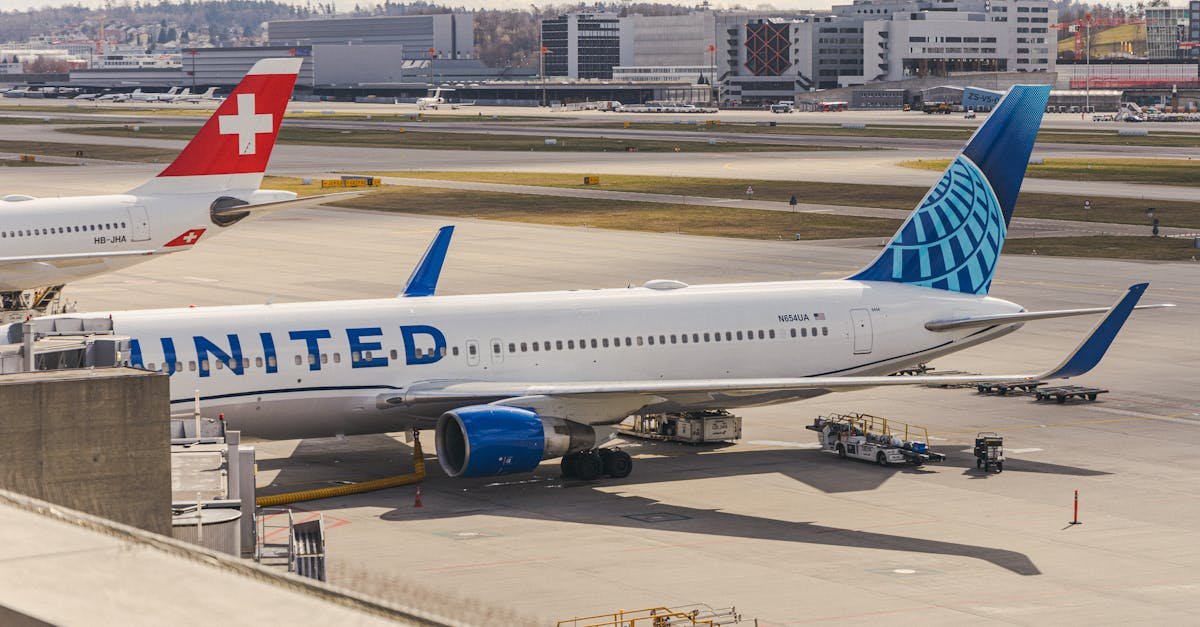
The global aviation industry is currently facing a massive financial earthquake, and United Airlines is the first major carrier to start making cuts. In a recent memo to employees, CEO Scott Kirby made it clear that the company will not fly routes that lose money due to the staggering rise in jet fuel prices. With the 2026 Iran Crisis causing oil markets to spin out of control, the airline has decided to cut 5% of its total flight schedule for the second and third quarters of this year.
This decision marks a significant shift in the travel landscape. While demand for flights is at an all-time high, the cost of keeping planes in the air has reached a breaking point. Kirby’s message was simple: there is no reason to burn cash on flights that cannot pay for their own fuel. As a result, travelers are looking at fewer options and much higher ticket prices as the industry tries to survive an $11 billion spike in annual expenses.
The Economic Reality of $175 Oil
The numbers behind this decision are eye-opening. United is preparing for a world where crude oil hits $175 per barrel. Even more concerning is the projection that prices might stay above $100 until the end of 2027. For a company like United, this isn’t just a minor budget tweak. An $11 billion increase in fuel costs is more than double the profit the airline made in its most successful year ever.
Most large U.S. airlines do not use fuel hedging, which is a financial strategy to lock in lower prices ahead of time. Instead, they operate at the mercy of the current market. When fuel prices nearly doubled in less than a month following the start of hostilities in the Middle East, the business model for thousands of flights changed overnight. What was a profitable route in January became a money-losing venture by March.
Where the Flight Cuts are Happening
United is being very specific about which flights are getting the axe. The goal is to minimize the impact on most travelers while removing the least efficient operations. The cuts focus on three main areas.
First, the airline is trimming 3% of its off-peak schedule. This includes red-eye flights that take off late at night and midweek services on Tuesdays and Wednesdays when fewer people travel. Saturday flights, which often have lower demand than Friday or Sunday, are also on the chopping block. By removing these flights, United can save massive amounts of fuel without disappointing the bulk of its weekday business or weekend leisure travelers.
Second, the airline is pulling back slightly at its massive hub at Chicago O’Hare. About 1% of the capacity there will be reduced as the airline coordinates with the FAA. Finally, international travel is taking a hit. Service to Tel Aviv and Dubai remains suspended indefinitely due to the regional conflict and the risks associated with flying in that airspace. Together, these tactical moves add up to the 5% reduction in total capacity.
The Impact on Your Next Vacation
For the average traveler, the most immediate effect won’t be a canceled flight, but rather the cost of booking a new one. Airfares have already surged by about 20% in just a few weeks. Because United and other carriers are reducing the number of available seats while people are still desperate to travel, the remaining tickets are becoming much more expensive.
Industry experts suggest that if you are planning to travel this summer, booking immediately is the only way to avoid even higher spikes. The supply of seats is shrinking exactly when summer vacation demand is peaking. This creates a perfect storm where only those willing to pay a premium will be able to secure a spot on the most popular routes.
Why Demand Remains Record Breaking
Interestingly, despite the high prices, United is seeing some of its strongest business in history. Over the last ten weeks, the airline recorded its ten highest booking revenue weeks ever. People seem determined to travel regardless of the cost, a trend often called “revenge travel” that has persisted long after the pandemic.
Scott Kirby noted that while the fuel situation is scary, the sheer volume of people wanting to fly is a massive safety net. The airline is betting that it can raise prices enough to cover most of the fuel spike because travelers have shown they are willing to pay. However, there is a limit to this strategy. If fares keep climbing, many families may eventually be priced out of the market, leading to a potential drop in demand later in the year.
Looking Toward the Future of Flying
Despite the immediate cuts, United is not stopping its long-term growth plans. The airline still expects to take delivery of 120 new aircraft this year, including fuel-efficient Boeing 787s. These newer planes burn significantly less fuel than older models, which will be a key advantage if oil prices stay high for the next several years.
The company’s leadership is trying to project confidence. Kirby told employees that the airline has the financial strength to weather this storm without resorting to the drastic measures seen in decades past, such as furloughs or canceling new plane orders. The strategy for now is to be “tactical” by pruning the schedule today to ensure the company remains healthy tomorrow.
Navigating the New Travel Environment
The current situation is a reminder of how quickly global events can change our daily lives. For now, the “new normal” for flying involves checking for schedule changes more frequently and budgeting significantly more for tickets. While United hopes to restore its full schedule by the fall of 2026, that plan depends entirely on whether the geopolitical situation stabilizes and oil prices begin to cool.
If you have a flight already booked, it is a good idea to keep a close eye on your email. While United is focusing its cuts on flights that haven’t sold many tickets yet, some passengers will inevitably be rebooked on different times or days. Staying flexible and booking as far in advance as possible are currently the best tools a traveler has in a sky-high market.
Leave a Reply