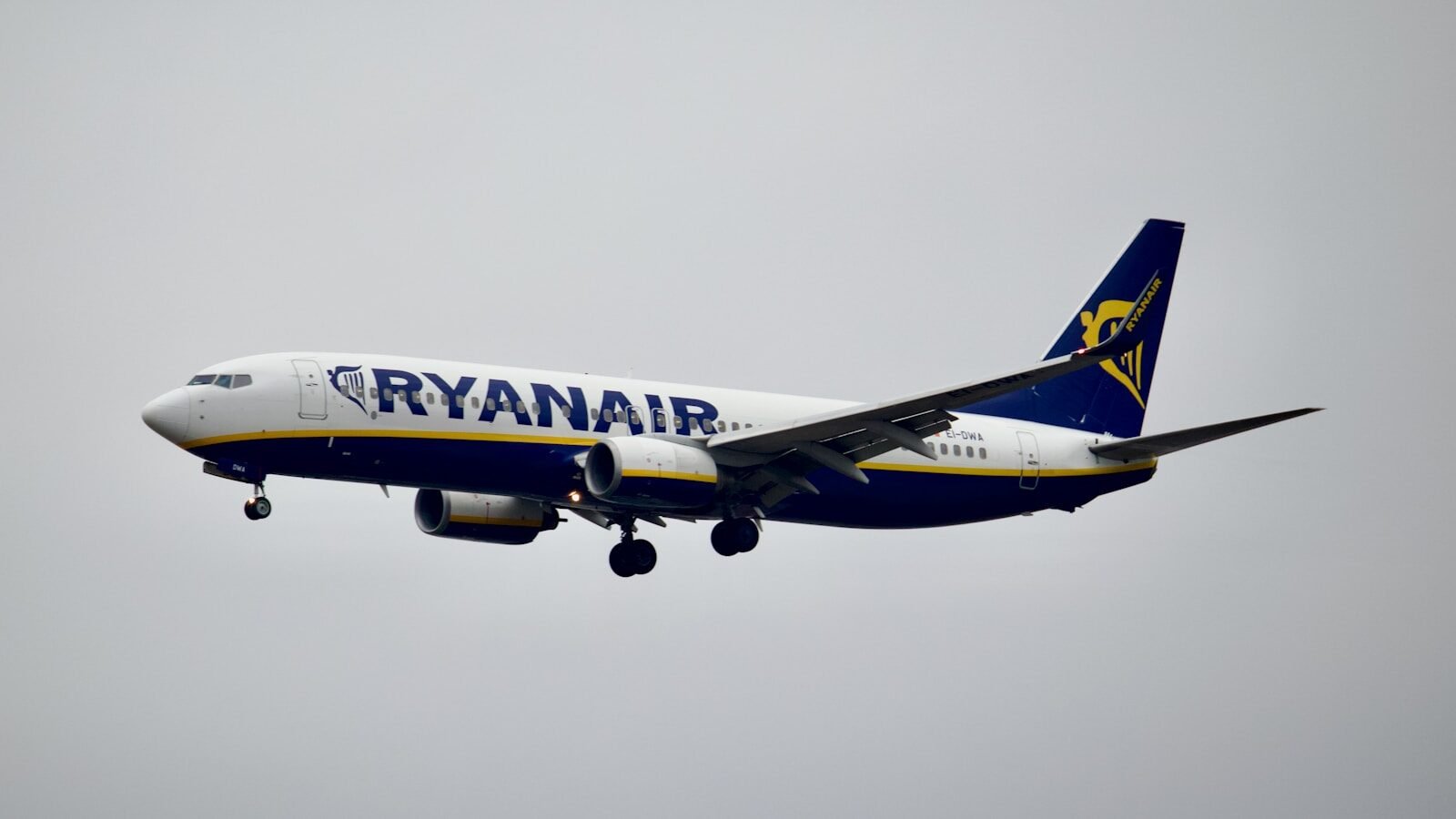
The aviation industry is often a game of razor-thin margins and massive logistical puzzles. In this high-stakes environment, Ryanair has carved out a dominant position by sticking to a very specific playbook. Central to that strategy is a deep-seated commitment to a single aircraft family. While other airlines juggle various models from different manufacturers, Ryanair has doubled down on its partnership with Boeing. This loyalty is not just about tradition; it is a calculated business move that hinges on the efficiency of one particular jet. By understanding why Ryanair loves the Boeing 737 MAX, we can see how the airline plans to dominate European skies for the next decade.
A Massive Investment In The Gamechanger Fleet
The relationship between Ryanair and the Boeing 737 MAX has been a saga of patience and bold financial bets. It began years ago when the airline placed a massive order for a special version of the jet, which they eventually dubbed the Gamechanger. This specific model, known technically as the 737-8-200, was designed with Ryanair’s feedback in mind. It features additional exit doors that allow for a higher passenger count than the standard version of the plane.
Throughout the early 2020s, despite global grounding issues and delivery delays that affected the entire industry, Ryanair stayed the course. They did not cancel their orders or switch to competitors like Airbus. Instead, they used the downtime to negotiate better deals and prepare their infrastructure. As of 2026, the airline has successfully integrated hundreds of these aircraft into its fleet. This massive influx of new technology has allowed them to retire older, less efficient planes and expand their reach into new markets across Europe and North Africa.
The Financial Logic Of More Seats And Less Fuel
To understand the motivation behind this partnership, you have to look at the math that governs low-cost flying. The Boeing 737 MAX offers a combination of features that perfectly align with Ryanair’s ultra-low-cost carrier model. The primary driver is seating capacity. While the older 737-800 models carried 189 passengers, the new MAX 8-200 variant carries 197. Adding eight seats to every single flight might sound small, but when you operate thousands of flights a day, those extra tickets represent a massive boost in potential revenue without adding significant costs.
Furthermore, the technical improvements in the MAX series provide substantial savings on the airline’s biggest expense: fuel. The advanced Leap-1B engines and aerodynamic winglets allow the plane to burn roughly 16% less fuel per seat compared to previous generations. Additionally, the aircraft is significantly quieter, which helps the airline avoid high noise-related landing fees at major European airports. This combination of more seats and lower operating costs creates a unit cost advantage that is incredibly difficult for competitors to match.
Why Technical Standardization Is The Secret Weapon
The reason why Ryanair loves the Boeing 737 MAX so much is that it provides a protective shield against economic volatility. When fuel prices spike or inflation hits the travel sector, Ryanair’s lower cost base allows them to keep ticket prices lower than anyone else. This keeps their planes full while legacy carriers struggle to break even. For the passenger, this means the continuation of affordable fares that have made air travel accessible to millions.
Operational simplicity is another major factor. By sticking almost exclusively to the Boeing 737 family, Ryanair saves a fortune on administrative and maintenance costs. Their pilots only need to be trained on one primary cockpit layout. Their engineers only need to stock parts for one type of engine and airframe. If a flight in London is canceled due to a mechanical issue, any spare aircraft in the vicinity can step in because every plane in the fleet operates the same way. This level of standardization is the secret sauce that keeps their massive operation running like clockwork.
Preparing For The Arrival Of The MAX 10
The story does not end with the current fleet. Ryanair has already moved toward the next phase of its growth by placing orders for the even larger Boeing 737 MAX 10. These aircraft are expected to start arriving in early 2027 and will carry up to 228 passengers. This will further lower the cost per seat, allowing Ryanair to squeeze even more efficiency out of its busiest routes.
As the airline moves toward its goal of carrying 300 million passengers annually by 2034, the Boeing 737 MAX will be the workhorse that gets them there. We are likely to see Ryanair expand further into primary airports where they previously could not compete, using the quietness and efficiency of the MAX to win over local regulators and slot coordinators. The airline is also focusing heavily on sustainability goals, and the reduced carbon footprint of these new jets is central to their environmental strategy and compliance with tightening European laws.
How This Strategy Reshapes The European Sky
Looking at this from a strategic perspective, the bond between these two companies is a rare example of perfect corporate synergy. Ryanair provides Boeing with a reliable, high-volume customer that can weather industry storms, while Boeing provides Ryanair with a customized tool built for maximum profit. The decision to brand the aircraft as the Gamechanger was a smart move to focus on the modern interior and environmental benefits.
The most impressive part of this strategy is how it creates a barrier around Ryanair’s business. Most airlines have to choose between being a premium carrier with high costs or a budget carrier with limited reach. Ryanair is using the MAX to be a budget carrier that can afford to fly into expensive, high-demand airports because their per-seat cost is so much lower than the airline in the next gate. As long as they maintain this technical edge, their position as the leader of European travel seems virtually unshakeable.