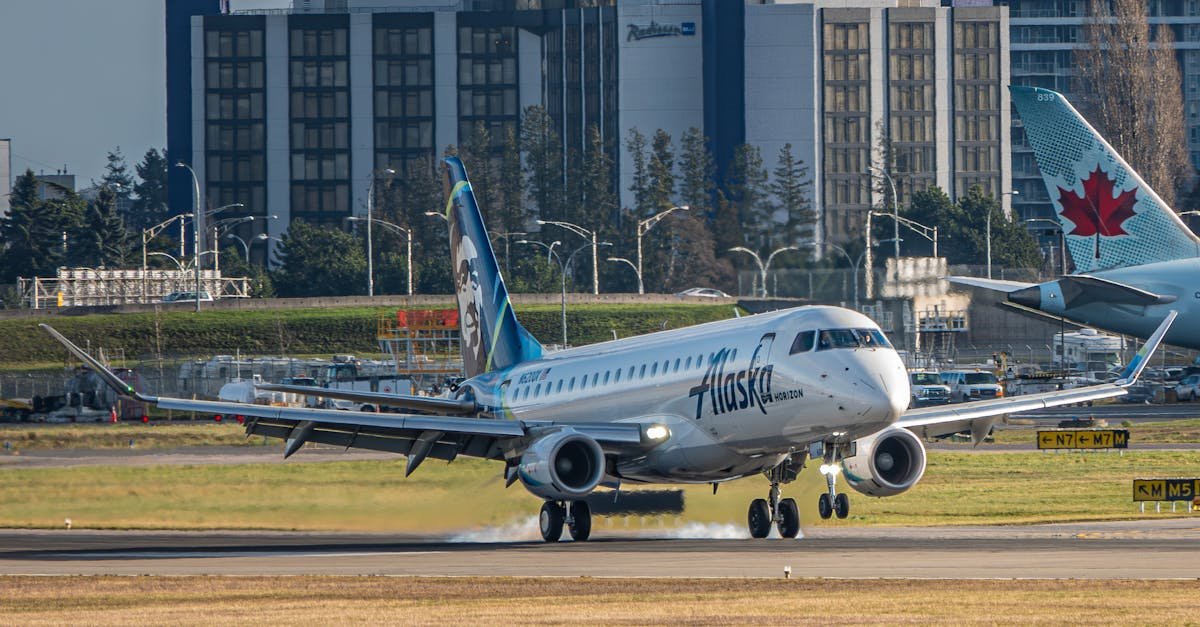
Tag: Alaska Airlines

  • Alaska Airlines and FedEx Planes Nearly Collide at Newark Airport: What We Know

    Alaska Airlines and FedEx Planes Nearly Collide at Newark Airport: What We Know

    A Tuesday evening in New Jersey nearly turned into a national tragedy when two large commercial aircraft came within seconds of a collision at Newark Liberty International Airport. On March 17, 2026, an Alaska Airlines Boeing 737 and a FedEx Boeing 777 freighter found themselves on a converging path while attempting to land on intersecting runways.

    The incident has sparked an immediate and intensive investigation by the Federal Aviation Administration and the National Transportation Safety Board. As radar data and cockpit audio recordings emerge, the terrifying reality of how close these two planes came to each other is becoming clear. With only a few hundred feet of separation, the safety of hundreds of passengers and the integrity of one of the busiest airspaces in the world are now under the microscope.

    The Timeline of a Terrifying Descent

    The sequence of events began around 8:15 p.m. local time. Alaska Airlines Flight 294, a Boeing 737 arriving from Portland, Oregon, was on its final approach to one of Newark’s primary runways. Simultaneously, FedEx Flight 721, a massive Boeing 777 cargo jet arriving from the FedEx hub in Memphis, Tennessee, was cleared for landing on a runway that intersected the path of the Alaska jet.

    As the Alaska Airlines flight descended, the crew was focused on the runway ahead, unaware that the FedEx plane was closing in on a crossing trajectory. At approximately 8:17 p.m., the situation reached a critical point. The Alaska 737 was just 150 feet above the ground, seconds away from touching down, when an air traffic controller recognized the imminent danger.

    The controller issued an urgent command to the Alaska pilots to perform a go around. This maneuver requires the pilots to immediately increase engine power, retract landing gear, and climb away from the airport to reset their approach. The FedEx 777, meanwhile, continued its descent and landed safely on the intersecting runway.

    Measuring the Margin of Error

    Preliminary data analyzed by Flightradar24 paints a chilling picture of the narrow margin for error. According to their radar tracking, the Alaska Airlines jet cleared the FedEx plane by a distance estimated between 300 and 325 feet. In the world of commercial aviation, where safety buffers are usually measured in miles or thousands of feet, a gap of 300 feet is considered a hairsbreadth.

    The physical size of the aircraft involved adds to the gravity of the situation. A Boeing 777 is one of the largest twin engine jets in the world, with a wingspan of nearly 200 feet. Having a Boeing 737 fly directly over or past it at such a low altitude and high speed represents a significant breakdown in the standard separation protocols that keep the skies safe.

    Understanding the Risk of Intersecting Runways

    Newark Liberty International Airport, like many older major airports in the United States, uses a runway configuration that includes intersecting paths. While this design allows for greater flexibility in handling high volumes of traffic and adapting to changing wind conditions, it inherently introduces a higher level of complexity for air traffic controllers.

    At Newark, Runway 11/29 intersects with the primary parallel runways, 4L/22R and 4R/22L. When traffic is heavy, controllers must carefully sequence arrivals and departures to ensure that no two aircraft occupy the “box” where the runways cross at the same time. On Tuesday night, that sequencing appears to have failed, leading to the close call between Flight 294 and Flight 721.

    Industry experts note that while intersecting runways are common, they require absolute precision. A delay of just a few seconds in communication or a slight misunderstanding of a clearance can lead to a runway incursion or a near miss.

    The Human Element and Air Traffic Control Strains
    A scenic view of an air traffic control tower through an airplane window, symbolizing travel and aviation.

    The investigation is expected to look closely at the workload and staffing levels at the Philadelphia TRACON, the facility responsible for managing the airspace around Newark. In recent years, the FAA has faced criticism over chronic staffing shortages and the aging infrastructure of the air traffic control system.

    Reports from 2025 indicated that the area handling Newark traffic was operating with significantly fewer certified controllers than the targeted goal. When controllers are overworked or facilities are understaffed, the mental fatigue can lead to errors in judgment or slower reaction times. Whether staffing played a role in this specific incident will be a primary focus for NTSB investigators.

    The “go around” command given to the Alaska flight was a successful use of a primary safety tool, but the fact that it was required at such a low altitude suggests that the conflict should have been identified much earlier in the approach sequence.

    Official Responses and Airline Statements

    In the wake of the incident, both airlines have released statements emphasizing their commitment to safety. Alaska Airlines confirmed that their crew followed standard procedures after receiving the go around instruction from the tower. The airline noted that their pilots undergo rigorous training for exactly these types of scenarios, ensuring they can react calmly and effectively when a landing must be aborted.

    FedEx also issued a brief statement, confirming that Flight 721 landed safely and that the company is cooperating fully with federal authorities. Neither airline has commented on the specific details of the separation distance, deferring all technical questions to the FAA and NTSB.

    The FAA released a statement on Thursday morning confirming the investigation. They stated that the controller instructed the Alaska flight to abort its landing because the FedEx plane had already been cleared for the intersecting runway. This suggests a potential conflict in the clearances issued to the two different flights.

    Broader Implications for Aviation Safety

    This near miss is part of a worrying trend of close calls at major U.S. airports over the last few years. High profile incidents in Austin, New York, and Boston have already prompted the FAA to hold safety summits and implement new technology designed to alert controllers of potential surface conflicts.

    While modern aircraft are equipped with sophisticated Traffic Collision Avoidance Systems (TCAS), these systems are sometimes limited during the final stages of landing when planes are very close to the ground and focused on specific runway paths. In these moments, the responsibility falls almost entirely on the shoulders of air traffic controllers and the visual awareness of the pilots.

    What Happens Next in the Investigation

    The NTSB will now begin the painstaking process of downloading data from the “black boxes” or flight data recorders of both aircraft. They will also review the digital logs from the air traffic control tower and interview the controllers and pilots involved.

    Investigators will look for “root causes.” Was there a piece of equipment that failed? Was the radio frequency congested, leading to a delayed message? Or was it a simple human error in calculating the speed and distance of the two arriving jets? The final report could take a year or more to complete, but preliminary findings and safety recommendations are often released much sooner if a systemic issue is discovered.

    A System That Worked Despite the Danger

    While the 300 foot gap is terrifying to contemplate, aviation experts often point out that the system’s redundancies actually worked in this case. The controller identified the error before a collision occurred, and the pilots responded instantly to the command.

    Every go around is a win for safety, even if the circumstances leading up to it are a cause for concern. For the passengers on Alaska Flight 294, the sudden climb and roar of the engines may have been startling, but it was the sound of a disaster being averted. As the FAA continues its probe, the focus remains on ensuring that the narrow escape at Newark leads to meaningful changes that prevent a similar situation from ever happening again.
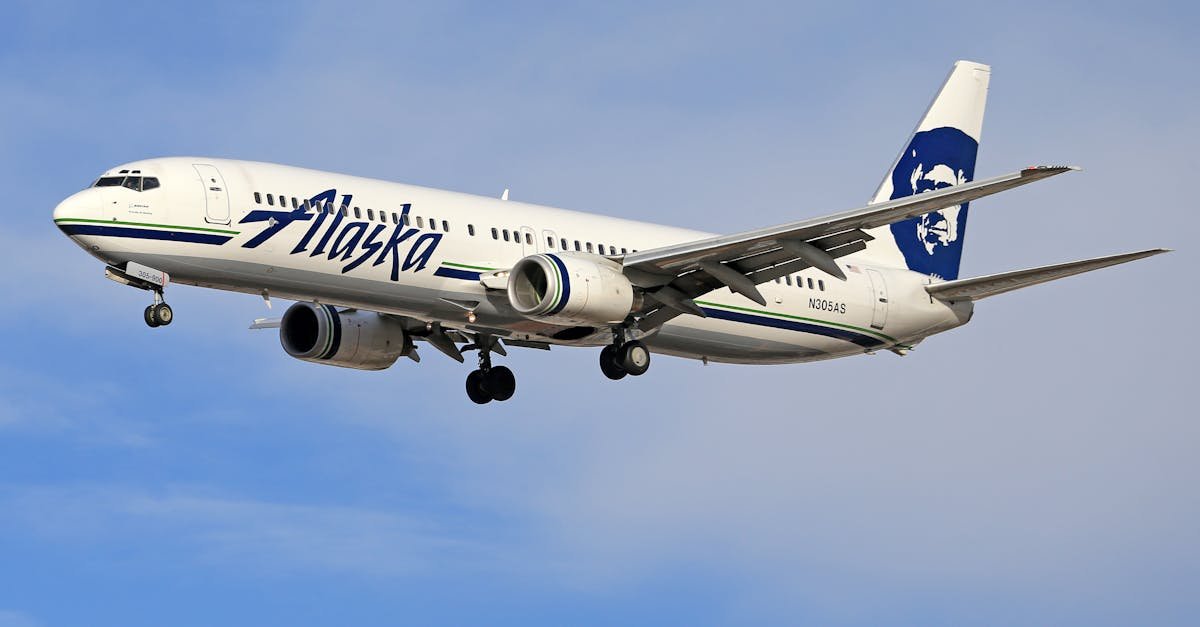
  • Alaska Airlines in 2026: What Flyers Really Need to Know Before Booking

    Flying with Alaska Airlines in 2026 feels quite different than it did just a few years ago. The carrier has undergone a massive transformation, moving from a beloved West Coast regional favorite to a major global player. Between its completed merger with Hawaiian Airlines and a rapid expansion into Europe and Asia, the airline is redefining what travelers should expect. If you are planning to book a trip soon, there are several key updates regarding routes, loyalty perks, and onboard technology that you should keep in mind to get the most value for your money.

    A New Era of Global Travel from Seattle

    For a long time, if you wanted to fly across the Atlantic or Pacific, you likely had to look toward the giant legacy carriers. In 2026, Alaska Airlines has changed that narrative by establishing Seattle as a true international gateway. The airline now operates its own long-haul flights to iconic destinations like London Heathrow and Rome. This is a significant shift for a company that once focused almost entirely on North America.

    The introduction of the Boeing 787 Dreamliner into the fleet has made these long journeys possible. Unlike the smaller jets used for domestic hops, these wide-body planes offer a much more spacious environment. If you are booking one of these new international routes, you will find a premium service that includes lie-flat business class suites. This expansion means that Alaska Airlines is no longer just for getting you to Portland or Anchorage; it is a legitimate contender for your next European vacation or business trip to Tokyo.

    The Merger with Hawaiian Airlines and What It Means

    One of the biggest stories for flyers in 2026 is the full integration of Hawaiian Airlines into the Alaska Airlines family. While you will still see the iconic Hawaiian branding and hospitality on flights to the islands, the two companies now operate as a single entity behind the scenes. This is great news for travelers because it creates a massive, seamless network covering the mainland, the Pacific, and beyond.

    If you are a frequent flyer, the most important takeaway is that you can now book a trip that starts in a small town in Alaska and ends on a beach in Maui all on a single ticket. The schedules have been aligned to reduce layover times, and the customer service teams are now unified. Even though the planes might look different on the outside, the “care” and “performance” standards that Alaska Airlines is known for are being applied across the entire combined network.

    Introducing Atmos Rewards: The New Loyalty Standard

    The old Mileage Plan has evolved into a more flexible and comprehensive program called Atmos Rewards. In 2026, Alaska Airlines has given its members more control over how they earn and spend their points than almost any other carrier. Instead of being locked into a single way of earning, you can often choose whether you want to rack up points based on the distance you fly, the price you paid for the ticket, or simply the number of segments you completed.

    This flexibility is a huge win for different types of travelers. If you are a budget-conscious flyer taking long-distance trips, the distance-based option remains a fantastic way to build status quickly. On the other hand, business travelers who book last-minute, expensive tickets might find the spend-based model more lucrative. Furthermore, the new “milestone perks” allow you to unlock rewards like lounge passes or Wi-Fi credits even before you hit a major elite tier. It makes the experience of flying with Alaska Airlines feel much more rewarding for the casual traveler, not just the road warrior.

    Better Connectivity with Starlink Wi-Fi

    Staying connected at thirty thousand feet has historically been a frustrating and expensive experience. However, in 2026, Alaska Airlines has set a new industry standard by rolling out Starlink Wi-Fi across its fleet. This is not the slow, laggy internet of the past. It is high-speed, low-latency connectivity that actually allows you to stream videos, participate in video calls, or play games just as you would at home.

    For many Atmos Rewards members, this service is now included as a complimentary perk. Even for those in the main cabin, the pricing has become much more reasonable. By choosing a satellite provider known for global coverage, Alaska Airlines ensures that you stay online even when flying over remote areas or the middle of the ocean. This is a game-changer for anyone who needs to stay productive during a cross-country flight or simply wants to stay entertained without pre-downloading movies.

    Expanding Regional Hubs Beyond the West Coast

    While Seattle remains the heart of the operation, Alaska Airlines has significantly bolstered its presence in other key cities like San Diego and Portland in 2026. The airline has added dozens of new nonstop routes to “heartland” cities that were previously underserved. This means fewer connections through massive, crowded hubs and more direct flights to places like Tulsa, Oklahoma, or various spots in the Midwest.

    This regional expansion is powered by a growing fleet of Embraer E175 jets. These planes are a favorite among passengers because they do not have middle seats. Whether you are in First Class or the Main Cabin, you are guaranteed either a window or an aisle. For flyers who value personal space and a quicker boarding process, these regional flights offered by Alaska Airlines are often much more comfortable than the larger narrow-body planes used by competitors.

    Fresh Menus and West Coast Flavors

    The onboard experience has also seen a refresh in 2026. Alaska Airlines continues to lean into its West Coast roots by partnering with local brands for its food and beverage service. When you fly, you are likely to find craft beers from Pacific Northwest breweries and meals inspired by seasonal ingredients from the region.

    The airline has also made it easier to plan your meal through its mobile app. You can pre-order your food up to two weeks before your flight, ensuring that your first choice is available once you are in the air. For those in the Main Cabin, the “Fruit and Cheese Platter” remains a legendary staple, but the 2026 menu has expanded to include more hot meal options on longer flights. It is a small touch, but it shows that Alaska Airlines is paying attention to the details that make a long day of travel more pleasant.

    Smart Booking Strategies for 2026

    If you want to find the best deals on Alaska Airlines, the low-fare calendar on their website is still your best friend. In 2026, the airline has integrated more “Saver” fare options that provide great value if you are sure of your travel dates. Just keep in mind that these tickets are more restrictive regarding changes and seat assignments.

    Another tip for 2026 is to look at “multi-city” bookings if you are heading to Hawaii or international destinations. With the new combined network, you can often find unique routing options that might save you money or allow for an interesting stopover. Always check your Atmos Rewards account before booking, as there are frequently targeted “status boost” promotions that can help you reach the next level of elite benefits faster than usual.

    Getting the Most Out of Your Next Journey

    The landscape of American aviation is constantly shifting, but Alaska Airlines has managed to grow while keeping its reputation for friendly service intact. By embracing new technology like Starlink and expanding its reach through the Hawaiian merger, the carrier offers a very compelling package for both domestic and international travelers. Whether you are looking for the luxury of a 787 Business Class suite or the simple convenience of a nonstop regional flight, the airline has positioned itself to meet those needs in 2026.

  • Alleged Midair Assault Forces Alaska Airlines Flight to Divert

    Alleged Midair Assault Forces Alaska Airlines Flight to Divert

    In a shocking turn of events during a late night journey through the skies, Alaska Airlines Flight 733 found itself at the center of a federal investigation following an alleged midair assault. The flight, which was traveling from Portland International Airport in Oregon to Ted Stevens Anchorage International Airport in Alaska, became the stage for a deeply unsettling encounter between two passengers. While the aircraft eventually reached its intended destination, the severity of the incident has sparked national conversations about passenger safety, the legal consequences of in-flight misconduct, and the vital role that fellow travelers play in maintaining a secure environment.

    The Details of the Flight and the Initial Departure

    Alaska Airlines Flight 733 took off from Portland on February 22, 2026, under normal conditions. The flight was scheduled as a routine late night service to Anchorage, a route that many travelers use for both business and leisure. For most people on board the Alaska Airlines flight, the expectation was a quiet few hours spent resting or reading. However, for one female passenger, the flight turned into a nightmare shortly after she took her seat.

    According to federal court documents and witness statements, the trouble began almost immediately upon boarding. A 44 year old man named Timothy Hobson occupied the seat next to the victim. Reports indicate that his behavior was predatory from the start. He reportedly turned his entire body toward the woman and stared at her while smiling, yet he did not say a single word. This initial behavior created an immediate sense of unease for the victim, setting a grim tone for the hours to follow.

    Escalation of Misconduct During the Journey

    As the Boeing 737 reached its cruising altitude, the situation quickly moved from uncomfortable to dangerous. Investigators allege that Hobson used various tactics to invade the personal space of his seatmate. At one point, he reportedly pretended to drop an item on the floor so that he could reach across the victim’s legs. This maneuver was followed by him spreading his legs into her seating area and pressing against her body.

    The victim attempted to defend herself by swatting his hands away and maintaining her boundaries, but the suspect did not stop. The behavior escalated further when Hobson allegedly leaned his head onto her shoulder. When she pushed him away and suggested he use his tray table to rest his head, he instead leaned his entire upper body against her. This action pinned the woman against the window of the aircraft, leaving her physically trapped and unable to move or reach the call button for assistance.

    A Crucial Intervention by a Fellow Passenger

    In many cases of in-flight assault, victims find themselves isolated and unable to signal for help. In this instance, the victim was being physically restrained by the weight of the suspect, which prevented her from alerting the flight crew. The situation might have continued to worsen if not for the vigilance of another passenger seated in the aisle across from them.

    This witness noticed the victim’s distress and the aggressive positioning of the suspect. Recognizing that something was deeply wrong, the fellow traveler signaled for a flight attendant. The Alaska Airlines crew responded with speed and professionalism, immediately assessing the situation and moving the victim to a different part of the aircraft. This intervention provided the victim with safety for the remainder of the flight, though the suspect reportedly continued to act erratically by moaning and grabbing the seats in front of him.

    Law Enforcement Response and the Arrest

    While the Alaska Airlines flight crew managed to stabilize the cabin environment, the legal process was already in motion. The pilots and airline staff coordinated with authorities on the ground to ensure that law enforcement was ready the moment the wheels touched the tarmac in Anchorage. Upon arrival, officers from the Anchorage Police Department and agents from the FBI met the Alaska Airlines plane at the gate.

    Timothy Hobson was taken into custody without further incident. Because the alleged crime took place on a commercial aircraft in U.S. airspace, it falls under federal jurisdiction. He was transported to the Anchorage Correctional Complex, where he remained held pending his initial court appearances. The rapid response from both the airline staff and law enforcement highlights the zero tolerance policy that is increasingly being enforced across the aviation industry.

    Federal Charges and Potential Legal Consequences

    The legal ramifications for this type of behavior are severe. Hobson has been charged with a federal felony of abusive sexual contact. This is not a simple misdemeanor; it is a serious charge that carries the potential for significant prison time. If convicted, the consequences extend far beyond a jail sentence. Individuals found guilty of such crimes are often required to register as sex offenders, which has lifelong impacts on their employment, housing, and social standing.

    Federal prosecutors are using the evidence gathered from the victim’s testimony, witness statements from other passengers, and reports from the flight crew to build their case. The inclusion of the FBI in the investigation underscores the fact that the government views the safety of the skies as a matter of national security and public welfare.

    The Physical and Psychological Impact on Victims

    While the physical assault is the primary focus of the legal case, the psychological toll on the victim cannot be overlooked. Being trapped at 30,000 feet next to a predatory individual is a uniquely terrifying experience. Unlike a situation on the ground, there is no exit and no place to run. This feeling of helplessness can lead to long term trauma, including anxiety and a fear of flying.

    Aviation experts and victim advocates emphasize that the safety of a flight is not just about the mechanics of the airplane. It is about the human environment inside the cabin. When that environment is compromised by violence or harassment, it affects every person on board. The victim in this case did everything she could to protect herself, but the physical restraint used by the suspect made it impossible for her to solve the problem alone.

    Airline Policies and the Role of Flight Crews

    Alaska Airlines has a reputation for prioritizing safety, and their response to this incident has been cited as an example of proper protocol. Flight attendants are trained to handle various types of disruptions, ranging from medical emergencies to unruly or dangerous passengers. In this case, the crew moved the victim to a secure area and monitored the suspect until the plane landed.

    However, the incident has also reopened discussions about whether airlines should have more robust systems for reporting harassment in real time. Some advocates suggest that if the victim cannot reach the call button, there should be other ways for passengers to discreetly alert the crew. For now, the reliance on the “eyes and ears” of other passengers remains a critical component of in-flight security.

    The Growing Trend of In-Flight Misconduct

    This incident is part of a larger, more troubling trend of passenger misconduct that has been on the rise over the last few years. While many stories focus on passengers who are upset about delays or mask mandates, cases of physical and sexual assault are particularly heinous. Data from the Federal Aviation Administration shows that while the total number of unruly passenger reports has fluctuated, the severity of the incidents has often increased.

    The aviation industry is pushing for stricter penalties and more consistent prosecution to act as a deterrent. The goal is to send a clear message: if you choose to behave this way on a flight, you will be arrested, you will face federal charges, and you will likely be banned from flying with that airline for life.

    Looking Ahead at Passenger Safety and Accountability

    The alleged assault on Alaska Airlines Flight 733 serves as a sobering reminder of the challenges that still exist in the world of air travel. It took the combined efforts of a brave victim, an observant bystander, a professional flight crew, and federal law enforcement to bring the situation to a resolution. As the legal case against Timothy Hobson moves forward, the industry will continue to look for ways to protect travelers from predatory behavior.

    For the traveling public, the lesson is one of vigilance. Paying attention to those around you and being willing to speak up when something looks wrong can make a world of difference. No person should ever feel unsafe while traveling to their destination, and the justice system is working to ensure that those who violate that safety are held fully accountable for their actions in the sky.