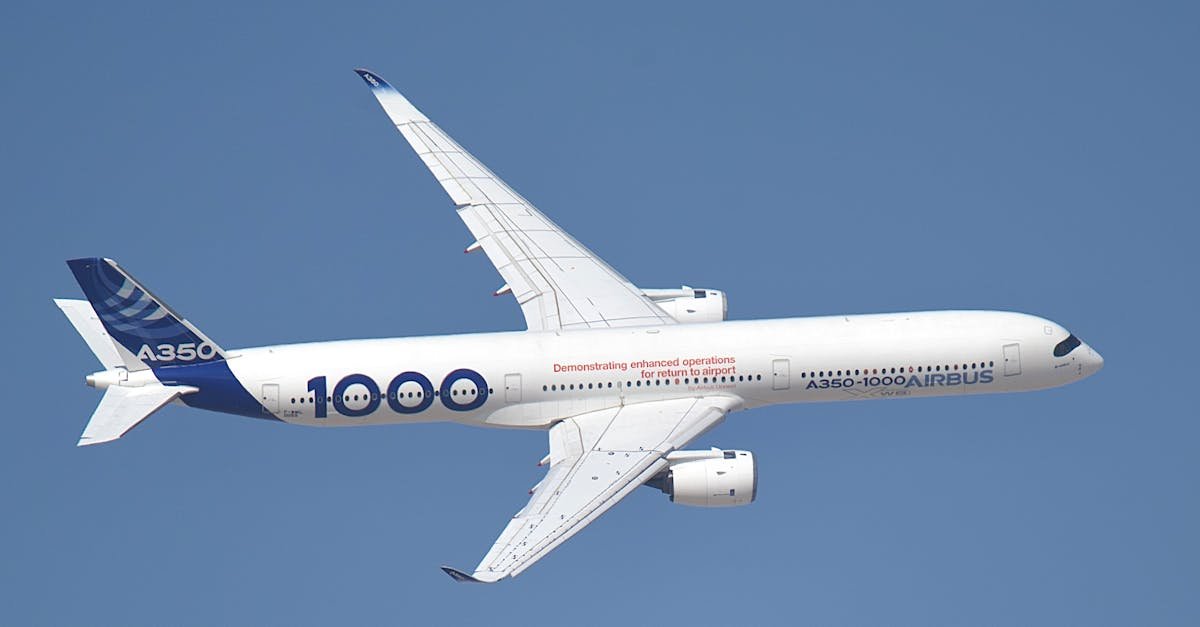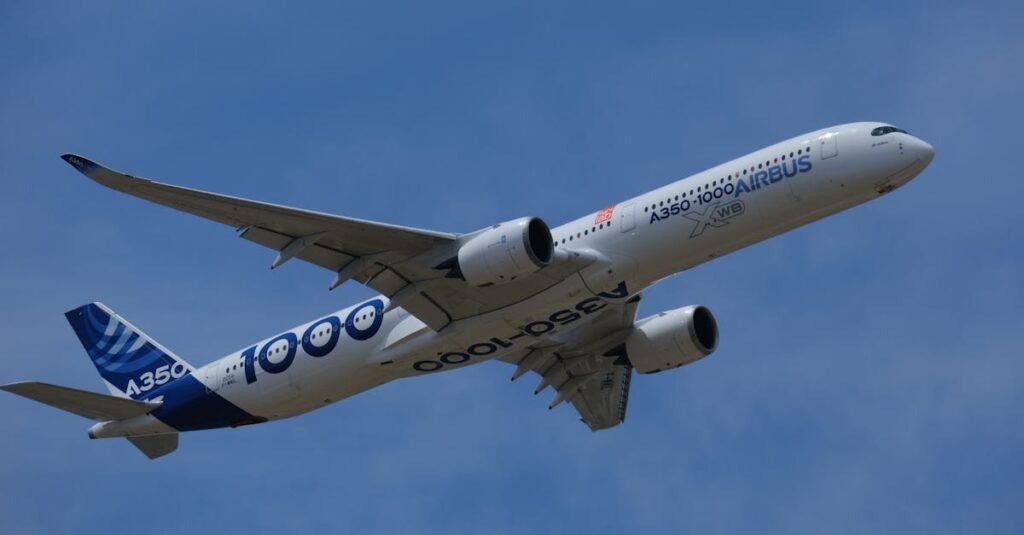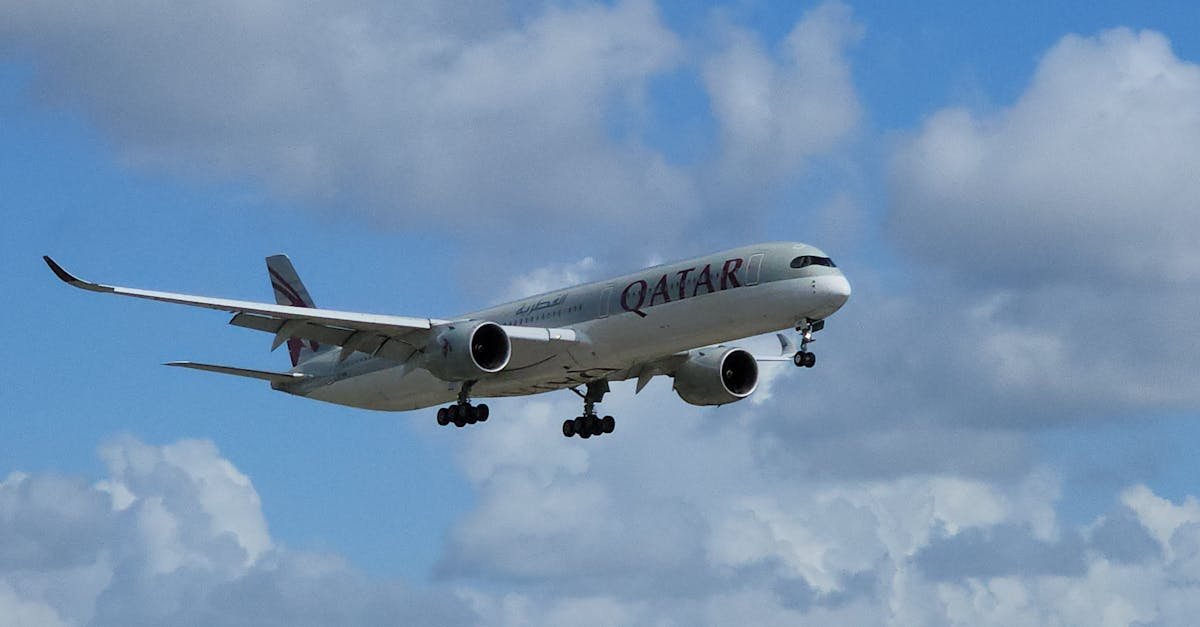
Aviation is a field where safety protocols often look more dramatic to the public than they do to the professionals in the cockpit. On December 14, 2025, a specific event involving a Qatar Airways flight at Hartsfield-Jackson Atlanta International Airport became a major talking point across social media and news outlets. A high-quality video captured by an aviation enthusiast showed a massive Airbus A350-1000 battling powerful winds while attempting to touch down. For those watching from the ground, the sight of the aircraft tilting sharply and then suddenly climbing back into the clouds was startling. However, this moment was actually a textbook example of pilots choosing safety over a risky landing.
The Dynamics of Flight QR755
The flight in question, QR755, is a long-haul journey connecting Doha to Atlanta. After spending nearly sixteen hours in the air, the crew was faced with one of the most challenging environments for any pilot: strong, unpredictable crosswinds. Atlanta is a massive hub with complex wind patterns that can shift rapidly as aircraft descend toward the runway. As the Qatar Airways jet approached the tarmac, the wind began to push the airframe off its intended path.
In aviation, the goal is always a stabilized approach. This means the plane must be at the correct speed, at the right altitude, and aligned perfectly with the runway centerline. If any of these factors vary too much, the pilots are trained to stop the landing immediately. For the Qatar Airways crew, the stability of the aircraft was compromised by the gusting winds. Rather than trying to force the plane onto the ground, they followed their training and initiated a go-around.
Deciphering the Near Tail Strike
The most talked about part of the viral video was how close the rear of the aircraft came to the pavement. This is known in the industry as a tail strike risk. During a go-around, the pilot must pull the nose of the plane up to begin a climb while simultaneously increasing engine power. Because the Airbus A350-1000 is an exceptionally long aircraft, its tail is much closer to the ground when the nose is raised at a high angle.
When the Qatar Airways pilots hit the throttles and pitched the nose up to climb away from the Atlanta runway, the aircraft was already quite low. The combination of the necessary climb angle and the buffeting from the crosswinds created a visual that looked like the tail was only inches from scraping the concrete. While it was a tight margin, the airframe did not make contact. The pilots successfully transitioned the heavy jet from a landing configuration into a full climb, ensuring that the metal stayed off the ground.
Why Go-Arounds Are Not Emergencies
It is common for passengers or observers to feel a sense of panic when a plane suddenly pulls up and climbs away at the last second. In reality, a go-around is a routine safety maneuver. It is an everyday tool used by airlines like Qatar Airways to manage risk. Every pilot practices this move hundreds of times in simulators so that it becomes second nature during a real flight.
A go-around can be triggered by many things. Sometimes another plane hasn’t cleared the runway in time. Other times, like in this Atlanta incident, the weather simply makes a safe touchdown impossible on the first try. By choosing to go around, the Qatar Airways pilots were actually preventing a potential accident. If they had tried to land while the wind was throwing the plane off balance, they could have suffered a hard landing or even a runway excursion.
READ MORE: Tragedy at 30,000 Feet: Passenger Dies on Qantas Flight from New York to Auckland
The Role of the Airbus A350 Technology
The Airbus A350 is one of the most advanced commercial jets currently flying. It is built with sophisticated flight control systems that help pilots manage difficult weather. These systems provide real-time data about wind speed and direction, allowing the crew to make split-second decisions. When the Qatar Airways crew decided to abort the landing, the aircraft systems assisted by providing the necessary thrust and wing flap adjustments to ensure a clean exit from the approach.
Even with all this technology, the human element remains vital. The pilots must remain calm and execute the maneuver precisely. On that day in Atlanta, the crew demonstrated high levels of professional skill. They maintained control of the aircraft throughout the high-pitch maneuver and followed the standard missed approach procedures to join the traffic pattern for another attempt.
Weather Challenges at Hartsfield-Jackson
Atlanta is the busiest airport in the world, and its layout is designed to handle a massive volume of traffic. However, weather remains the one factor that no airport can fully control. On the date of the Qatar Airways incident, the region was experiencing a weather system that brought gusty conditions. Crosswinds are particularly tricky because they hit the side of the aircraft, trying to push it like a sail.
Pilots use a technique called a crab to land in these conditions, where the nose points into the wind while the plane travels straight down the runway path. If a gust is too strong or if the wind shifts right at the moment of touchdown, the risk increases. The Qatar Airways flight encountered exactly this kind of volatility. The decision to go around was a proactive way to wait for a more stable window of wind.
Safety as a Constant Priority
Following the event, Qatar Airways released statements emphasizing that the safety of their passengers and crew is always the top priority. The airline viewed the maneuver as a standard response to the conditions at hand. This perspective is shared by aviation regulators and safety experts worldwide. While the video was dramatic and quickly went viral, the actual outcome was exactly what is supposed to happen in a modern aviation safety system.
The aircraft eventually landed safely in Atlanta after the go-around, with no injuries or damage reported. This highlights the effectiveness of the training programs that Qatar Airways uses for its flight crews. Every time a pilot chooses to go around instead of risking an unstable landing, it is a win for flight safety.
Lessons from the Flight Deck
The Atlanta incident serves as a great reminder of the hidden work that goes into every flight. While passengers in the cabin might have felt a sudden jolt and the roar of the engines as the plane climbed, the pilots were simply following a well-defined script. For Qatar Airways, maintaining a reputation for safety means empowering their pilots to make these tough calls without hesitation.
In the world of social media, a video can make a routine safety procedure look like a near disaster. However, the reality is much more boring and professional. The pilots saw a situation that didn’t meet their strict safety criteria, they hit the go-around buttons, and they flew the plane back into the sky. It was a successful day of flying that proved the systems meant to protect travelers are working exactly as intended.
Managing Public Perception of Aviation Events
As more people carry high-quality cameras and track flights in real-time, we are seeing more of these incidents being shared online. It is important for the public to understand that what looks scary from the ground is often the safest possible action being taken by the crew. The Qatar Airways flight in Atlanta didn’t crash because the pilots were skilled enough to know when to stop trying to land.
Understanding the mechanics of a go-around and the geometry of a large plane like the A350 helps demystify these events. Instead of seeing a narrow escape, we should see a high-functioning team of professionals doing their jobs at the highest level. The next time you are on a flight and the pilot decides to climb away at the last minute, you can take comfort in knowing that you are in the hands of someone who values your safety more than the flight schedule.