Early this morning, March 1, 2026, the world woke up to alarming reports concerning Dubai Airport. Social media feeds quickly filled with grainy videos of smoke and flashing lights, leading many to ask if the global travel hub had been bombed. While the situation is serious and involves physical damage, the word bombed carries a specific weight that requires a closer look at what actually happened on the ground.
The Reality of the Incident at Dubai Airport
To be precise, Dubai Airport was not targeted by a traditional bombing in the sense of a planted explosive device. Instead, the facility was caught in the crossfire of a significant regional military escalation. Early Sunday morning, a series of missiles and drones were launched from Iran toward various locations across the Gulf.
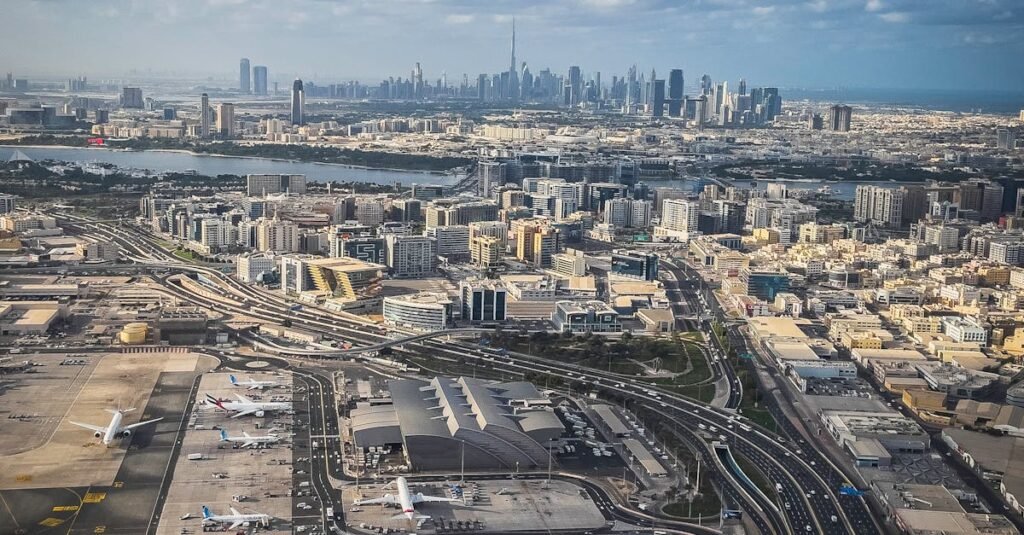
Government officials from the Dubai Media Office have confirmed that a concourse at Dubai International (DXB) sustained what they describe as minor structural damage. This occurred during the overnight hours when the UAE air defense systems were actively intercepting multiple incoming threats. It appears that either a direct hit from a small drone or falling debris from an intercepted missile impacted a section of the terminal.
Reports of Damage and Injuries
The most distressing part of the news involves the people working at the site. According to official statements, four airport staff members were injured during the incident. These individuals were quickly attended to by emergency medical teams that are permanently stationed at the airport. Fortunately, the injuries were not reported as life threatening, but the event caused significant panic among those still in the building.
Visible damage was reported at Terminal 3, which is the primary home for Emirates. Photos shared by witnesses show shattered glass and debris near the immigration and concourse areas. Outside the airport, the impact was felt as well. Shrapnel and debris from the interceptions caused a small fire on the exterior of the Burj Al Arab hotel and another fire at the Jebel Ali Port. While these fires were small and quickly put out, they underscore the scale of the aerial activity over the city.
Why the Airport Was Partially Empty
One reason the casualty count remained low is that authorities had already begun taking defensive measures. Before the projectiles reached the city, a national emergency alert was sent to mobile phones across the UAE. The message told residents to stay away from windows and seek shelter immediately.
Because of these proactive warnings, Dubai Airport had already started clearing sections of its terminals. Many passengers had been moved to more secure, reinforced areas of the building or were kept away from glass facades. This quick thinking by the National Emergency Crisis and Disaster Management Authority likely saved many lives.
Current Flight Status and Airspace Closures
As of Sunday afternoon, the status of Dubai Airport is at a standstill. The General Civil Aviation Authority made the difficult call to close the UAE airspace partially to ensure no civilian planes were caught in the conflict. This has led to a total suspension of flight operations at both DXB and Al Maktoum International (DWC).
Major carriers have issued the following updates:
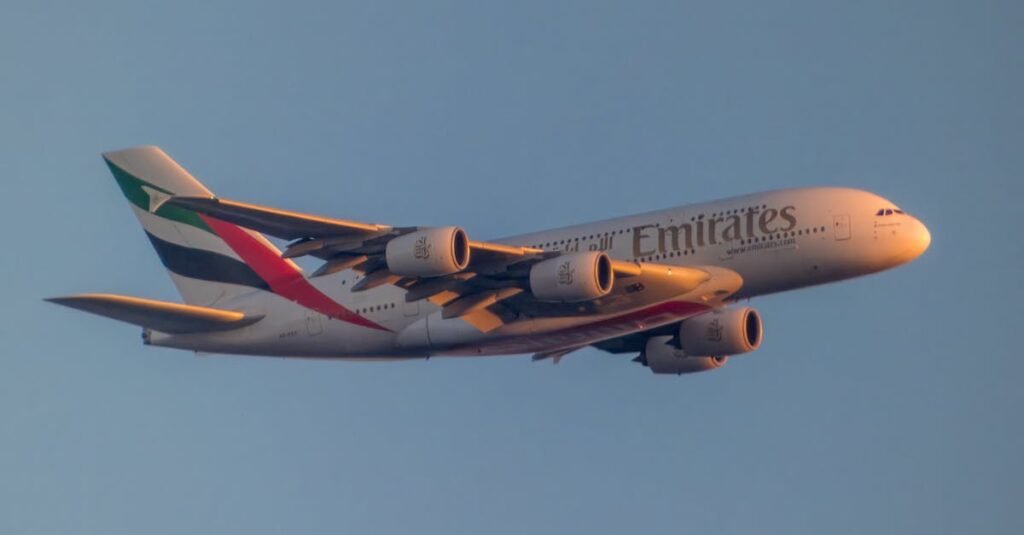
- Emirates: All flights leaving from or arriving in Dubai are suspended until at least 3:00 PM local time. This window may be extended depending on the security assessment.
- Flydubai: The airline has grounded its fleet and canceled all flights to and from the region for the remainder of the day.
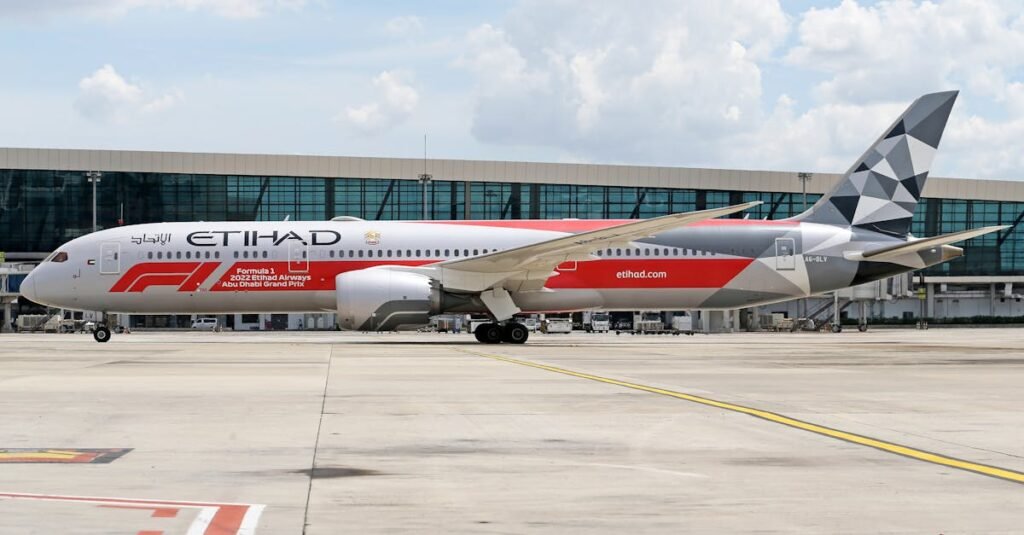
- Etihad Airways: Operations in Abu Dhabi have also been halted, with departures paused until at least 2:00 PM.
- International Airlines: Carriers like Air India, Lufthansa, and British Airways have canceled their flights to the Gulf or rerouted them to avoid the region entirely.
If you have a flight booked today, the advice from every airline is the same: stay away from the airport. The roads leading to the terminals are heavily monitored, and with no planes taking off, the facilities are not accepting new passengers.
How Travelers Can Get Help
For those currently stranded, the situation is frustrating but being managed. Emirates has stated that anyone scheduled to travel within the next 72 hours can rebook their flight for a date within the next 10 days without paying any change fees. Alternatively, passengers can opt for a full refund.
If you booked your trip through a travel agent, you must contact them directly to make changes. If you booked through the airline website, their apps and customer service lines are the best way to get updates, though wait times are expected to be very long given the thousands of people affected globally.
The Bigger Picture for Global Travel
Dubai Airport is the busiest international hub in the world. When it stops moving, the rest of the world feels it. From London to Sydney, thousands of passengers are currently sitting in transit lounges waiting for news. The closure of this airspace means that long haul flights between Europe and Asia must now take much longer routes around the Middle East, leading to fuel stops and further delays.
The UAE government has reiterated that the safety of its residents and visitors is the top priority. They are working with international security partners to assess when the skies will be safe enough to resume the roar of jet engines.
Staying Safe and Getting the Facts
In times of crisis, rumors spread faster than the truth. You may see dramatic headlines or unverified videos on social media claiming the airport has been destroyed. It is important to look at the official word from the Dubai Media Office and the airlines themselves.
The damage at Dubai Airport is real, and the injuries to the staff are a tragedy, but the facility remains standing. The current closure is a precautionary measure to prevent further risk to human life.
What to Watch for in the Coming Hours
The next few hours will be critical for anyone hoping to travel. Authorities will be conducting a full sweep of the runways and terminal structures to ensure everything is safe for use. Once the military threat is deemed to have passed, a phased reopening will likely begin.
Expect the first flights to be arrivals that were previously diverted to other countries. It will likely take several days for the backlog of passengers to clear and for schedules to return to their normal rhythm. Until then, the best thing anyone can do is stay informed through official channels and remain in a safe location.