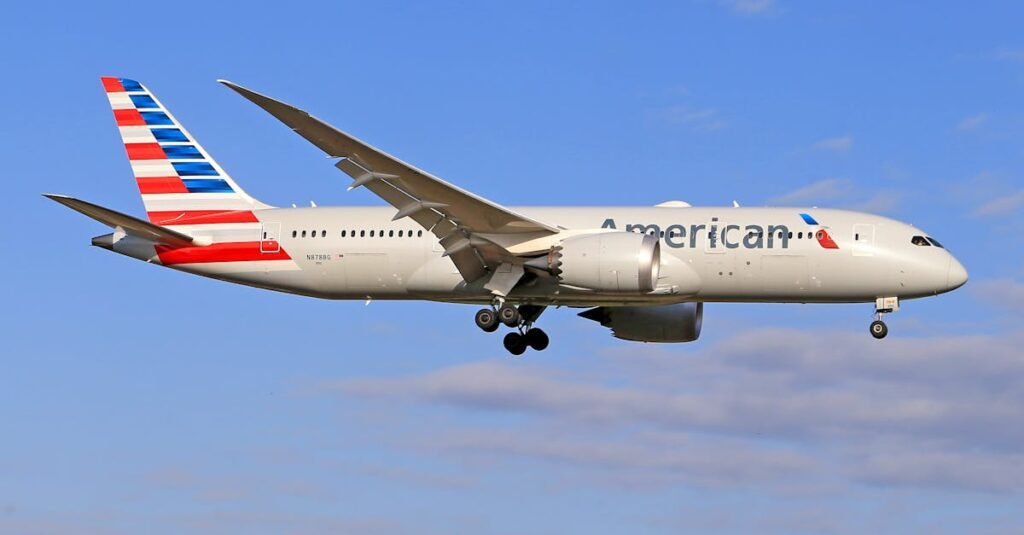
The friendly skies have felt a little more turbulent recently, and it has nothing to do with the weather. A series of viral incidents has sparked a heated national conversation regarding passenger rights, airline labor contracts, and the hierarchy of the modern cabin. At the center of this storm is American Airlines, which recently made headlines after high profile passengers reported being removed from their paid first class seats to accommodate off duty crew members.
This practice, known in the industry as deadheading, has left many travelers wondering how a confirmed, paid ticket can be overridden by an internal airline policy. To understand why this is happening and what your rights are as a consumer, one must look at the intersection of union agreements, federal regulations, and the fine print of the ticket you buy.
The Viral American Airlines Incident That Sparked the Debate
The conversation reached a fever pitch in February 2026 when comedian Jim Breuer shared a frustrated account of his experience on a flight from Honolulu. Breuer and his wife had purchased first class tickets, a significant expense intended to ensure comfort on a long haul journey. However, shortly before boarding, they were informed that they were being downgraded to the economy cabin.
The reason provided at the gate was not a mechanical failure or an aircraft swap. Instead, the seats were required for two pilots who needed to be repositioned for work. While the airline offered a standard compensation package, the discrepancy between the price of a first class ticket and the refund offered sparked an outcry.
Breuer described the experience as feeling like his seats were stolen, a sentiment that resonated with thousands of travelers online. This incident served as a catalyst for a deeper look into how often this happens and why the airline prioritizes its employees over its highest paying customers in these specific scenarios.
What Exactly Is a Deadheading Pilot?
To the average passenger, seeing a pilot in uniform sitting in first class might seem like a simple perk of the job. However, the term deadheading refers to a specific operational necessity. A deadheading pilot is not commuting to work on their own time; they are being moved by the airline to a different city to operate a subsequent flight.
Operational Necessity versus Luxury
If a pilot is scheduled to fly a plane from Phoenix to London, but they are currently in Honolulu, the airline must get them to Phoenix. If that pilot does not arrive on time and properly rested, the Phoenix flight might be canceled,affecting hundreds of other passengers. Because of this, airlines view the movement of crew as a critical operational priority.
The Impact of the 2023 Labor Agreement
The reason these downgrades are becoming more visible is tied to the collective bargaining agreement ratified by American Airlines pilots in 2023. This contract, valued at billions of dollars, included significant “quality of life” provisions. One of those provisions mandates that for certain long distance or transoceanic flights, deadheading pilots must be accommodated in the highest class of service available.
Prior to this contract, pilots were often placed in whatever seat was left over. Under the new rules, their right to a first class seat is contractually guaranteed, even if it means moving a passenger who has already paid for that seat.
Why Elite Status Does Not Always Protect You
For years, the conventional wisdom for frequent flyers was that holding elite status, such as Executive Platinum or Concierge Key, acted as a shield against involuntary downgrades. While status still helps in many overbooking situations, the deadheading pilot policy operates on a different logic.
In the American Airlines internal priority system, deadheading pilots on qualifying routes are often coded with a higher priority than even the most loyal frequent flyers. If a flight is full and a crew member must be moved for operational reasons, the airline looks at the last people to join the first class cabin or those without specific protections.Unfortunately, even those who paid full cash for their tickets can find themselves at the bottom of the priority list when a contractual crew requirement is triggered.
The Legal Reality: The Contract of Carriage
When you purchase an airline ticket, you are not just buying a seat; you are entering into a legal agreement known as the Contract of Carriage. This document is notoriously long and filled with dense terminology, but it is the ultimate authority on what an airline can and cannot do.
What the Fine Print Says
Most major airlines include clauses in their Contract of Carriage that allow them to change seat assignments or even downgrade passengers for operational reasons. These reasons can include:
- Safety requirements
- Weather conditions
- Equipment changes (switching to a smaller plane)
- Operational necessity (such as moving crew)
Because the passenger agrees to these terms at the time of purchase, the airline is generally protected from breach of contract claims as long as they provide the required compensation for the downgrade.
Is It Illegal?
While it feels unfair to the consumer, the practice is not illegal under current United States law. The Department of Transportation (DOT) has strict rules regarding “bumping” passengers from a flight entirely, which usually requires the airline to seek volunteers first and pay significant compensation. However, the rules for involuntary downgrades are less rigid. The DOT primarily requires that the airline refund the difference in fare between the two cabins.
Compensation: What Are You Actually Owed?
If you find yourself standing at a gate being told your first class seat is no longer yours, the immediate concern is often financial. American Airlines typically offers a standard “customer service” gesture on the spot, such as a flight voucher or a fixed amount of cash, but this is separate from your legal right to a refund.
The Fare Difference
The most important thing to know is that the airline must refund the difference in price. However, calculating this difference can be tricky. Airlines often use the fare that was available at the time of your original booking. If you bought a first class ticket for $2,000 and the economy fare at that time was $500, you are owed $1,500.
Vouchers versus Cash
Gate agents will frequently offer travel vouchers worth $500 or $1,000 to encourage passengers to accept the downgrade quietly. It is important to remember that you can often accept the voucher and still claim the fare difference refund later. Experts suggest documenting the names of the agents you speak with and keeping all original receipts to make the claims process smoother.
How to Protect Your Seat
While no strategy is 100% foolproof when a pilot contract is involved, there are steps you can take to minimize the risk of being the one chosen for a downgrade.
- Check In Early: Airlines often look at the “last in, first out” rule. Passengers who check in at the 24 hour mark are less likely to be moved than those who check in at the airport.
- Avoid “Upgrade” Scams: If you paid for your seat with cash, you generally have a stronger position than someone who was upgraded for free due to status. However, in the Jim Breuer case, even cash payers were affected.
- Fly Non-Transoceanic Routes: The most aggressive pilot seating requirements usually apply to international flights or long hauls to places like Hawaii and Alaska. On shorter domestic hops, pilots are often assigned to economy first and only move up if seats are empty.
- Monitor Your Reservation: Use the airline app to check your seat assignment frequently in the 24 hours leading up to your flight. If you see your seat has been changed, call the airline immediately to see if you can be moved to a different flight with first class availability.
The Future of Passenger Rights
The backlash from recent incidents has caught the attention of consumer advocacy groups and some lawmakers. There is a growing movement to pressure the Department of Transportation to modernize the rules regarding involuntary downgrades.
Advocates argue that as airlines negotiate higher pay and better perks for their staff, those costs and inconveniences should not be directly offloaded onto the paying public. Until the regulations change, however, the pilot contract remains a powerful force that can override even the most expensive ticket.
For now, travelers must remain vigilant. While American Airlines continues to navigate the PR fallout of these viral stories, the operational reality of moving crew members remains a priority. The best defense for any traveler is to know the rules, stay calm at the gate, and ensure that every dollar of the fare difference is recovered if the worst should happen.
For now, travelers must remain vigilant. While American Airlines continues to navigate the PR fallout of these viral stories, the operational reality of moving crew members remains a priority. The best defense for any traveler is to know the rules, stay calm at the gate, and ensure that every dollar of the fare difference is recovered if the worst should happen.