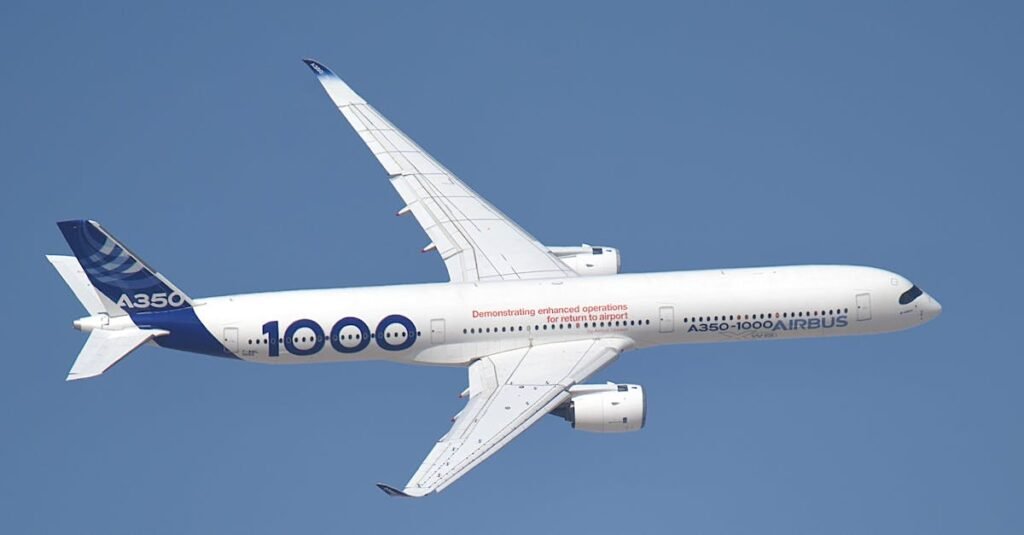
Air Canada has taken a major step toward reshaping its long-haul future. The airline has confirmed an order for eight Airbus A350-1000 aircraft, along with options for eight more, with deliveries expected to begin in 2030.
This move signals more than just a fleet upgrade. It reflects a long-term strategy focused on growth, sustainability, passenger comfort, and strengthening Canada’s global connections.
A Strategic Investment in the Future
At first glance, an order for eight aircraft might seem modest. But in the world of widebody jets, especially next-generation long-haul aircraft, this is a powerful investment.
The Airbus A350-1000 is one of the most advanced commercial aircraft flying today. By choosing this model, Air Canada is preparing for the next phase of international travel demand. The airline is positioning itself to:
- Expand international routes
- Replace older widebody aircraft
- Improve fuel efficiency
- Reduce emissions
- Enhance passenger comfort
Deliveries starting in 2030 give the airline flexibility to align with future market conditions while securing production slots early.
Meet the Airbus A350-1000
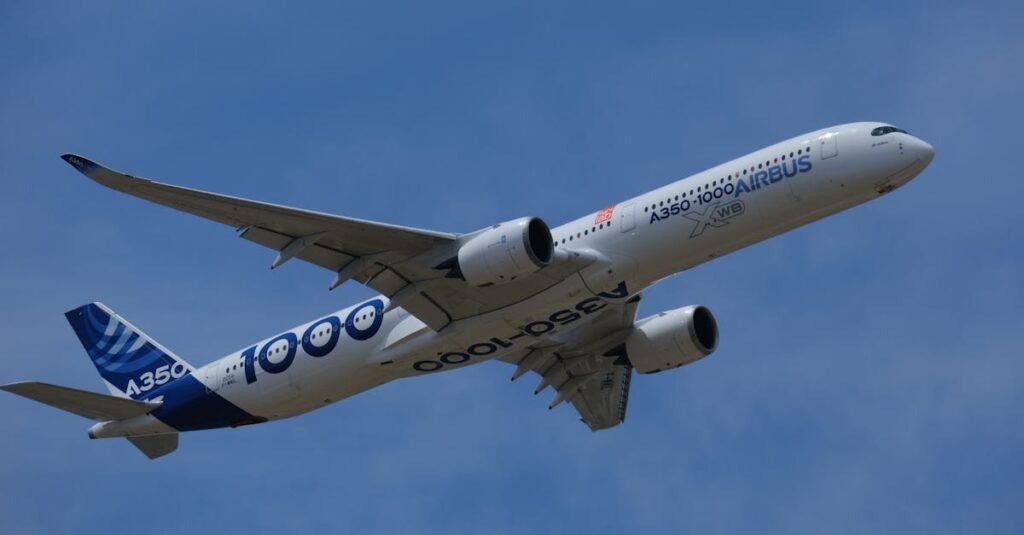
The Airbus A350-1000 is the largest variant of the A350 family. It is designed for ultra-long-haul routes and high-capacity international travel.
Key Features of the A350-1000:
- Built with lightweight composite materials
- New-generation Rolls-Royce engines
- Improved aerodynamics
- Lower fuel consumption compared to older widebodies
- Reduced noise footprint
The aircraft typically seats between 350 and 410 passengers, depending on configuration. For Air Canada, this opens the door to serving high-demand global destinations more efficiently.
How This Fits Into Air Canada’s Current Fleet
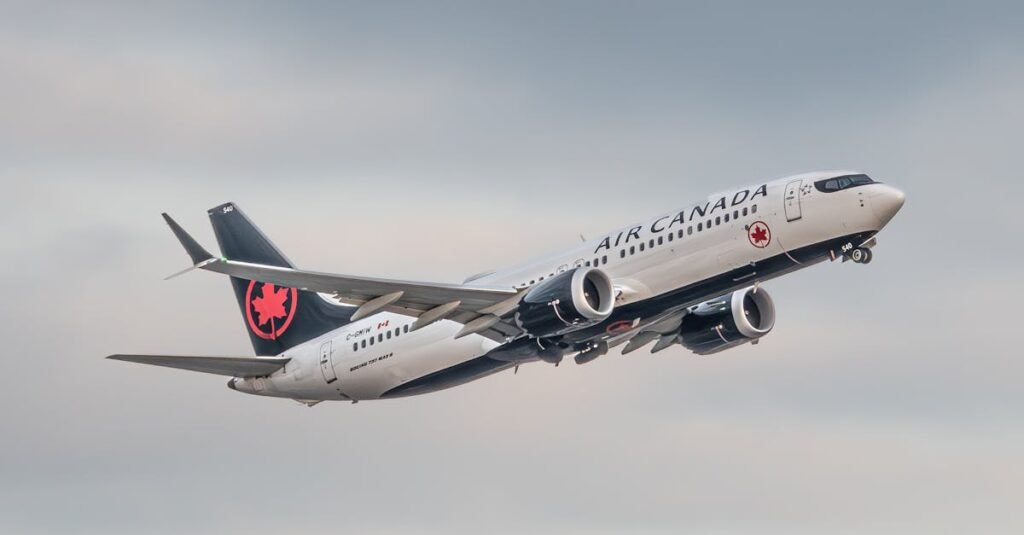
Air Canada already operates a diverse fleet that includes:
- Airbus A220-300
- Airbus A320
- Airbus A321
- Airbus A330-300
- Boeing 737 MAX 8
- Boeing 777-200LR
- Boeing 777-300ER
- Boeing 787-8
- Boeing 787-9
The addition of the A350-1000 complements the airline’s existing widebody fleet, particularly the Boeing 787 Dreamliners and 777 aircraft. Over time, the A350-1000 could replace older Boeing 777 models or support growth on major international routes.
This balanced mix of Airbus and Boeing aircraft also provides operational flexibility and competitive leverage.
Why the A350-1000 Matters for Long-Haul Routes
Long-haul flying is complex and expensive. Airlines must balance fuel costs, passenger demand, range capability, and environmental regulations.
The A350-1000 is ideal for:
- Non-stop flights between Canada and Asia
- Transatlantic routes to Europe
- High-capacity services to the Middle East
- Potential ultra-long-haul destinations
With its extended range, the aircraft can connect distant cities without refueling stops. That means shorter travel times and greater convenience for passengers.
Sustainability and Environmental Impact
Sustainability is no longer optional in aviation. Governments, investors, and travelers are demanding cleaner operations.
The A350-1000 supports Air Canada’s environmental goals by:
- Consuming significantly less fuel per seat
- Producing lower CO₂ emissions
- Generating less noise around airports
New-generation engines and lightweight composite materials play a key role in reducing environmental impact. As older aircraft retire, the overall fleet becomes more efficient and environmentally friendly.
For an airline operating across vast distances like Canada, fuel efficiency directly impacts both costs and sustainability performance.
Passenger Experience: What Travelers Can Expect

Modern travelers expect more than just transportation. Comfort, connectivity, and cabin design matter.
The A350 family is known for:
- Larger windows
- Improved cabin air quality
- Higher ceilings
- Reduced cabin noise
- Advanced mood lighting
Passengers often report feeling less fatigue on long-haul flights aboard A350 aircraft compared to older models. For Air Canada, this provides an opportunity to enhance its premium product, including business class and premium economy offerings.
A Competitive Move in Global Aviation
Air Canada competes with major international airlines on long-haul routes. Having state-of-the-art aircraft strengthens its position against global carriers operating modern fleets.
By securing the A350-1000, Air Canada aligns itself with other leading airlines that have invested in next-generation widebody aircraft.
This order also signals confidence in long-term international travel growth, even as the aviation industry continues to recover and adapt to changing global dynamics.
The Importance of the 8 Options
Beyond the eight firm orders, Air Canada has secured options for eight additional A350-1000 aircraft.
Options provide flexibility. If travel demand grows faster than expected, the airline can exercise these options and expand its fleet further. If market conditions change, the airline is not obligated to take them.
This strategy allows Air Canada to manage risk while keeping expansion opportunities open.
Economic Impact and Canadian Connectivity
As Canada’s flag carrier, Air Canada plays a critical role in connecting the country to global markets.
New wide-body aircraft means:
- Increased tourism capacity
- Stronger trade connections
- More direct international routes
- Job creation in aviation and related sectors
Investing in modern aircraft ensures Canada remains competitive in international air travel and cargo transportation.
Looking Ahead to 2030 and Beyond
Although deliveries begin in 2030, the decision made today shapes the airline’s future for decades.
Aircraft typically remain in service for 20 to 30 years. This means the A350-1000 could define Air Canada’s long-haul operations well into the 2050s.
The aviation industry is constantly evolving, but one thing remains clear: efficiency, sustainability, and passenger comfort drive fleet decisions.
Air Canada’s A350-1000 order checks all three boxes.
Final Thoughts
Air Canada’s confirmation of eight Airbus A350-1000 aircraft, with options for eight more, marks a significant milestone in the airline’s modernization journey.
This is not just a fleet update. It is a strategic investment in:
- Long-haul growth
- Environmental responsibility
- Enhanced passenger experience
- Global competitiveness
As deliveries begin in 2030, travelers, investors, and industry observers will be watching closely. The Airbus A350-1000 represents the next chapter in Air Canada’s international ambitions one built on innovation, efficiency, and long-term vision.
The skies over the next decade are set to become even more advanced, and Air Canada is clearly preparing to lead the way.