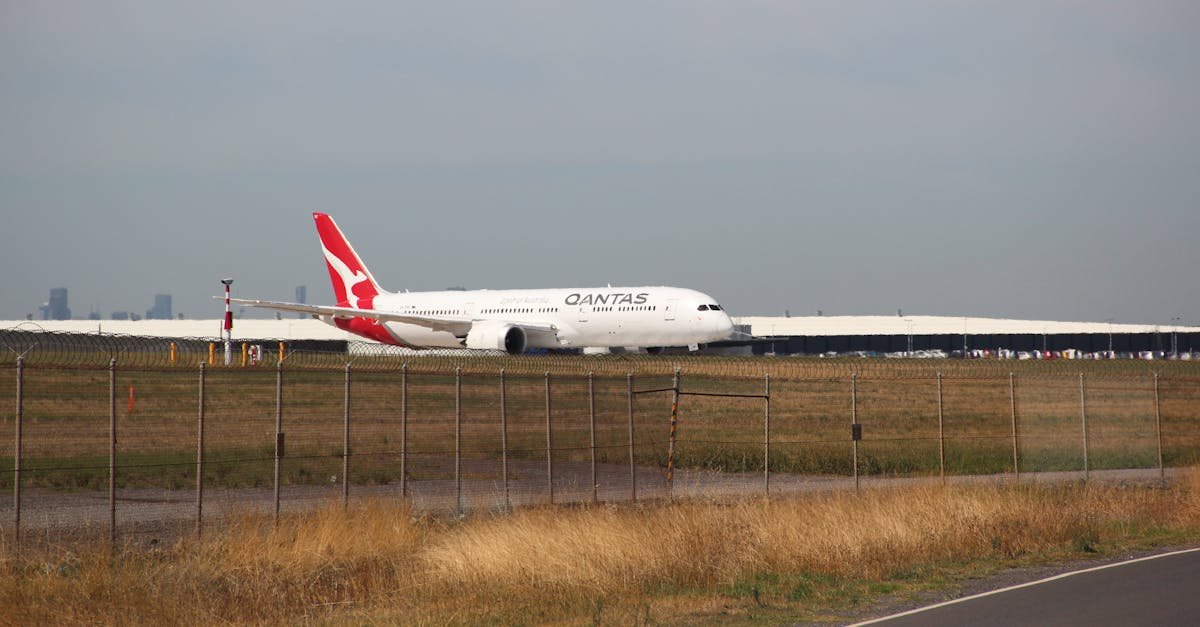
The long journey from the bustling streets of New York to the scenic landscapes of Auckland is one of the most demanding air routes in the world. For those aboard Qantas flight QF4, a routine trip across the Pacific Ocean turned into a somber experience this week. News confirmed that a passenger passed away while the aircraft was making its way toward New Zealand. This incident has sparked conversations about the realities of medical emergencies during ultra long haul travel and the protocols that airlines like Qantas follow when the unthinkable happens in the sky.
Traveling for seventeen hours in a pressurized cabin is a feat for both the machine and the human body. While millions of people make these trips safely every year, the isolated nature of being thousands of miles from the nearest hospital adds a layer of complexity to any health crisis. When a medical situation arises on a Qantas flight, the crew members are the first line of defense, trained to handle everything from minor ailments to life threatening events. In this specific case, the staff and fellow travelers did everything they could to assist.
The Details of the Incident on Qantas Flight QF4
The flight departed from John F. Kennedy International Airport in New York, heading for its scheduled arrival at Auckland Airport. According to reports from the airline and local authorities, a female passenger became unresponsive during the journey. The Qantas crew reacted quickly, initiating emergency protocols designed for mid air medical crises. On many international flights, cabin crew will ask if there are any medical professionals on board. In this instance, doctors who were traveling as passengers stepped forward to help the woman.
Despite the collective efforts of the Qantas team and the volunteer medical professionals, the passenger could not be revived. The atmosphere on a plane during such an event is often heavy and quiet, as other passengers realize the gravity of the situation. Because the aircraft was already over the vast expanse of the ocean, the flight continued to its destination in Auckland. Upon landing, the plane was met by emergency services and police, which is the standard procedure for any death that occurs in transit.
How Qantas Responds to In Flight Medical Emergencies
Safety is the primary focus for any major carrier, and Qantas has a reputation for rigorous training programs. Every cabin crew member undergoes first aid training that includes the use of automated external defibrillators and the administration of basic life support. On a Qantas aircraft, there are also medical kits equipped with professional grade supplies that can be used by doctors if they are available to assist.
Beyond the physical tools on the plane, Qantas has access to ground based medical advisory services. These are specialized centers staffed by doctors who can talk the crew through a diagnosis and treatment plan over the radio or satellite phone. They help the captain decide if an emergency diversion to a nearby airport is necessary or if the best course of action is to continue to the destination. In the case of flight QF4, the distance from suitable landing strips often means that continuing the planned route is the only viable option.
The Reality of Ultra Long Haul Travel
The New York to Auckland route is part of a new era of aviation often called Project Sunrise by Qantas. These flights push the limits of how far we can travel without stopping. While the convenience of a direct flight is undeniable, the physical toll on the body can be significant. Issues like deep vein thrombosis, dehydration, and the exacerbation of pre existing heart conditions are risks that travelers must consider.
Being in a seated position for nearly an entire day affects blood circulation. The low humidity levels inside a Qantas cabin can lead to faster dehydration, which in turn can make the blood thicker and more prone to clotting. For passengers with underlying health issues, the stress of travel and the change in cabin pressure can sometimes trigger a silent crisis. This is why airlines and health experts suggest moving around the cabin, staying hydrated, and wearing compression socks on flights that exceed ten hours.
Investigation and Support Following the Tragedy
Whenever a death occurs on a Qantas flight, a formal investigation follows. This is not necessarily an indication of foul play but a legal requirement to determine the cause of death for the coroner. The New Zealand Police confirmed that they are conducting inquiries on behalf of the coroner to understand exactly what happened during those final hours in the air. This process provides closure for the family and ensures that all safety and medical protocols were followed correctly.
The impact of such an event extends beyond the family of the deceased. The Qantas crew members who worked tirelessly to save a life often face emotional distress following these incidents. Airlines typically offer counseling and support services to their employees who have dealt with a death on board. Similarly, passengers who witnessed the medical emergency may find the experience unsettling. Qantas expressed their deep sympathies to the family and friends of the woman, acknowledging the pain of losing a loved one in such a public yet isolated setting.
Navigating the Legal and Ethical Protocols
When a person passes away in international airspace on a Qantas jet, the legalities can be quite complex. The jurisdiction usually depends on the country where the aircraft is registered or the country where the plane next lands. In this case, since the landing was in Auckland, the New Zealand authorities took the lead. The airline must manage the situation with the utmost dignity, often moving the deceased to a more private area of the plane if space permits, or ensuring they are covered and secured for the remainder of the flight.
It is a difficult task for the Qantas staff to balance the needs of the grieving family with the comfort and safety of the other hundreds of people on board. They are trained to handle these moments with discretion. The goal is to maintain a sense of calm while ensuring that the proper authorities are notified and ready to take over as soon as the wheels touch the ground.
READ MORE: Jet2 Engineer Plunges from Aircraft Door in Horrific Manchester Airport Accident: Complete Report
Preparing for Long Journeys in the Future
The tragedy on flight QF4 serves as a somber reminder of the importance of health awareness when flying. Before embarking on a seventeen hour journey with Qantas, passengers are encouraged to consult with their doctors, especially if they have a history of respiratory or cardiovascular issues. Simple steps can make a difference. Avoiding excessive alcohol, which contributes to dehydration, and performing small leg exercises in your seat can help maintain healthy circulation.
As the world continues to shrink through faster and longer flights, the aviation industry continues to refine its medical responses. Qantas remains at the forefront of this evolution, constantly updating their on board medical tech and crew training. While no amount of preparation can prevent every tragedy, the response on flight QF4 shows that there is a dedicated system in place to provide care, even when you are thousands of miles from the ground.
Looking Toward Passenger Safety and Care
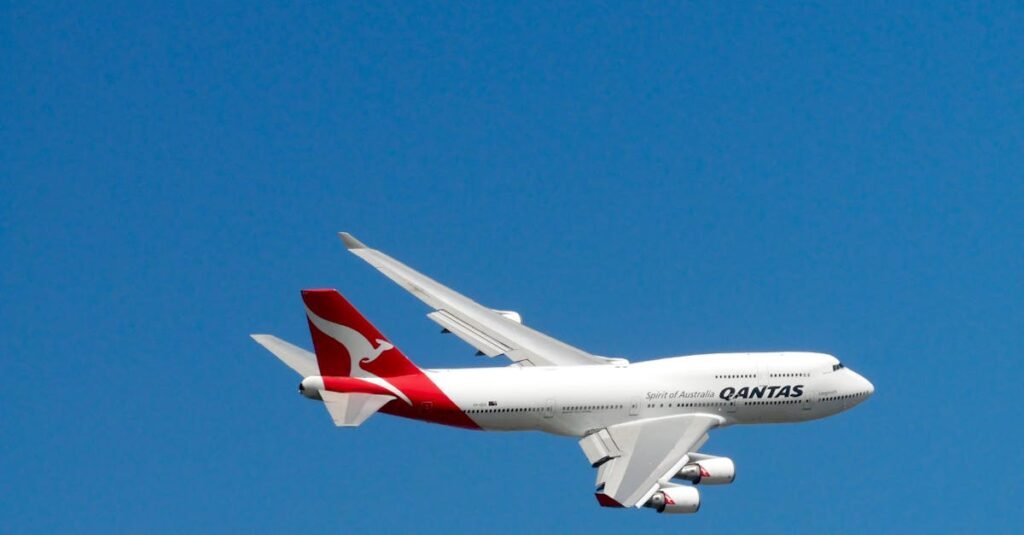
The loss of a life at high altitude is a rare but deeply felt event. As the investigation into the woman’s death continues, the focus remains on the family she left behind and the efforts of those who tried to save her. Qantas continues to operate its long distance routes with a commitment to getting people where they need to go safely, though this week, that mission was marked by a quiet moment of grief.
The aviation community will likely look at this incident to see if there are any lessons to be learned regarding medical screening or in flight support. For now, the story of flight QF4 is one of human effort in the face of an unstoppable emergency. It highlights the thin line between the routine nature of modern travel and the unpredictable nature of human health. Travelers are reminded to listen to their bodies and for airlines to remain as vigilant as ever in their care for the people who trust them with their journeys.
Leave a Reply