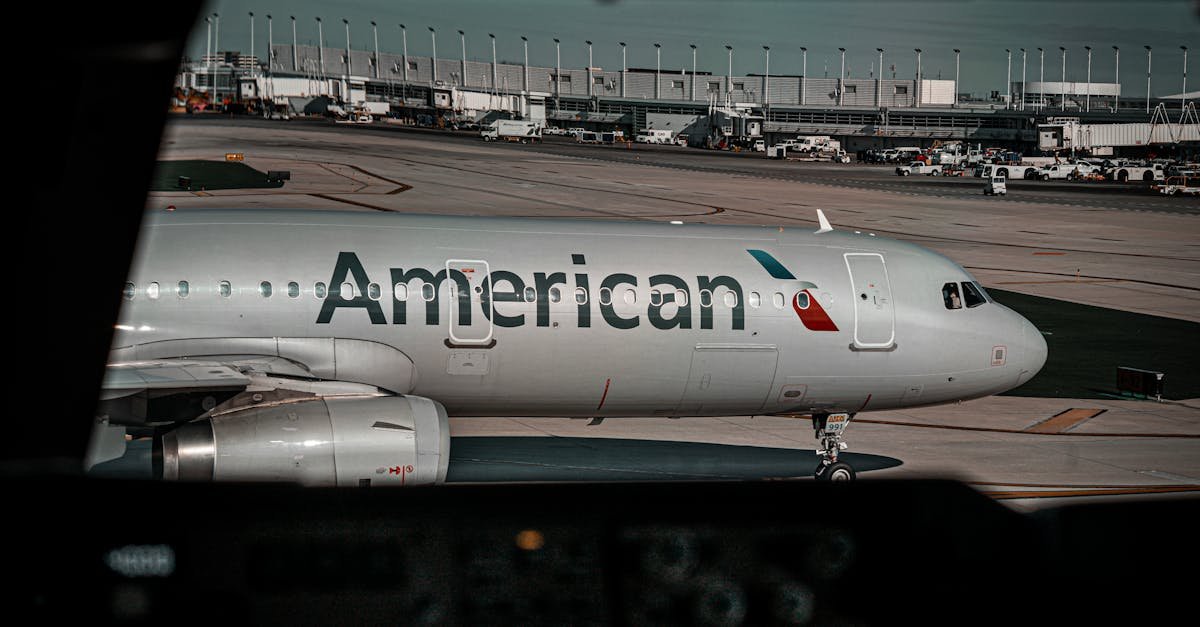
The atmosphere at Charlotte Douglas International Airport turned from routine to high alert recently following a major security incident involving an American Airlines employee. What started as a regular shift in a secure area of the airport ended with an arrest and a felony charge that has sent ripples through the local aviation community. This situation highlights the extreme sensitivity of airport operations and the zero tolerance policies in place for any communication regarding potential threats.
The Details of the Incident at Charlotte Douglas
On the evening of February 26, 2026, law enforcement was called to Charlotte Douglas International Airport after reports surfaced of a potential bomb threat. The focus of the investigation was Christian Cox, a twenty-five-year-old resident of Gastonia, North Carolina. Cox was working as an employee for American Airlines at the time of the incident.
According to police records and official reports, the threat originated from a text message sent by Cox to a coworker. Both individuals were assigned to a restricted baggage handling area, a part of the airport that requires high level security clearance and is off limits to the general public. The message reportedly claimed that an explosive device was located inside one of the airport elevators.
The coworker who received the message took the situation seriously and immediately notified a supervisor. This triggered an emergency response from the Charlotte-Mecklenburg Police Department and airport security officials. Officers arrived at the scene around 6:45 p.m. to secure the area and locate the individual responsible for the message.
A Joke with Serious Consequences
During the subsequent questioning by law enforcement, Cox admitted to sending the text message from his personal mobile device. He reportedly told investigators that the message was intended to be a joke between colleagues and was not meant to be taken as a legitimate threat. He even used phrases like “don’t be a hero” in the text, which added a layer of perceived urgency that the recipient and supervisors could not ignore.
Regardless of the intent, airport authorities and federal law enforcement do not have the luxury of treating such messages as humor. In an industry where safety is the absolute priority, every mention of a bomb or a weapon is treated as a credible threat until a thorough investigation proves otherwise. In this case, although no explosives were found and no one was injured, the legal repercussions for the employee were immediate and severe.
Understanding the Felony Charges
Christian Cox now faces a felony charge for making a false report of a bomb in a public building. This is a significant legal matter in North Carolina. Under state law, making a false report concerning a destructive device is not a minor infraction. Because it involves a public facility as critical as an international airport, the charge carries weight that could lead to prison time and a permanent criminal record.
After his arrest, Cox was processed and scheduled for an appearance at the Mecklenburg County Courthouse. Beyond the criminal court system, there are professional consequences to consider. American Airlines has a strict code of conduct regarding security and safety. While the airline has not released a lengthy public statement on the specific disciplinary actions taken, workers in secure zones who violate safety protocols typically face immediate suspension or termination of their employment.
Why Airport Security Breaches are Handled So Strictly
Charlotte Douglas International Airport is one of the busiest travel hubs in the world. It serves as a primary gateway for American Airlines, handling hundreds of flights and thousands of passengers every single day. Because of the sheer volume of people and the complexity of moving luggage and aircraft, a security breach in a restricted area can cause massive operational delays.
When a threat is reported, security teams must often shut down specific zones, sweep for devices, and redeploy personnel. This costs the airport and the airlines money, but more importantly, it places a heavy emotional burden on travelers and other staff members. The “insider threat” is a major concern for the Transportation Security Administration. Employees are given special access because they are trusted to keep the system running safely. When that trust is broken, even for a “joke,” it forces a full re-evaluation of security measures.
The Role of Law Enforcement and the TSA
In an incident like this, multiple agencies work together to resolve the situation. The Charlotte-Mecklenburg Police Department handles the initial arrest and the local criminal charges. However, the TSA and potentially federal investigators also look into the breach. They want to know how the message was sent and if any physical security barriers were bypassed.
Federal law under the U.S. Code also prohibits unauthorized access to secured areas or the disruption of airport services. While Cox was an authorized employee, using that authorization to create a panic is a violation of the spirit of his security clearance. This serves as a reminder that background checks and security training are ongoing processes.Every person with a badge at CLT is expected to act as a line of defense, not a source of disruption.
Impact on Airport Operations and Passenger Safety
Fortunately for travelers, the response to this specific breach was contained quickly enough that it did not lead to a total airport shutdown. Operations eventually returned to normal once the baggage area was cleared and the suspect was in custody. However, the psychological impact remains. Passengers want to know that the people handling their bags and working around the planes are focused entirely on safety.
Incidents like these often lead to “safety stand-downs” where employees are gathered for additional training. Management uses these moments to remind everyone that their personal communications, especially while on the clock in a secure zone, are subject to scrutiny. There is no such thing as a “private joke” when it involves the safety of a public building.
Looking Ahead to the Legal Process
As the case against Christian Cox moves through the Mecklenburg County court system, the focus will be on the specific language of the law regarding false reports. His defense may argue a lack of “criminal intent” or that the message was a lapse in judgment rather than a malicious act. However, the prosecution will likely argue that the act of sending the message is the crime itself, regardless of whether the sender wanted to cause a real explosion.
For the community in Gastonia and Charlotte, this story is a cautionary tale. It shows how a single text message, sent in a moment of poor judgment, can derail a career and lead to a felony record. It also reassures the public that the reporting systems at Charlotte Douglas work. The fact that a coworker immediately reported the message shows that the culture of “see something, say something” is alive and well among the staff at CLT.
Protecting the Integrity of the Aviation System

The safety of the skies starts on the ground. From the TSA checkpoints to the hidden baggage tunnels under the terminals, every inch of an airport is a controlled environment. This felony charge against an American Airlines worker is a harsh but necessary reminder that the rules of the airport apply to everyone, regardless of their uniform.
As we move forward into 2026, technology makes it easier than ever to communicate, but it also makes it easier to track and document threats. Law enforcement has the tools to trace every digital footprint, meaning there is no way to hide a false report once the “send” button is pressed.
Leave a Reply