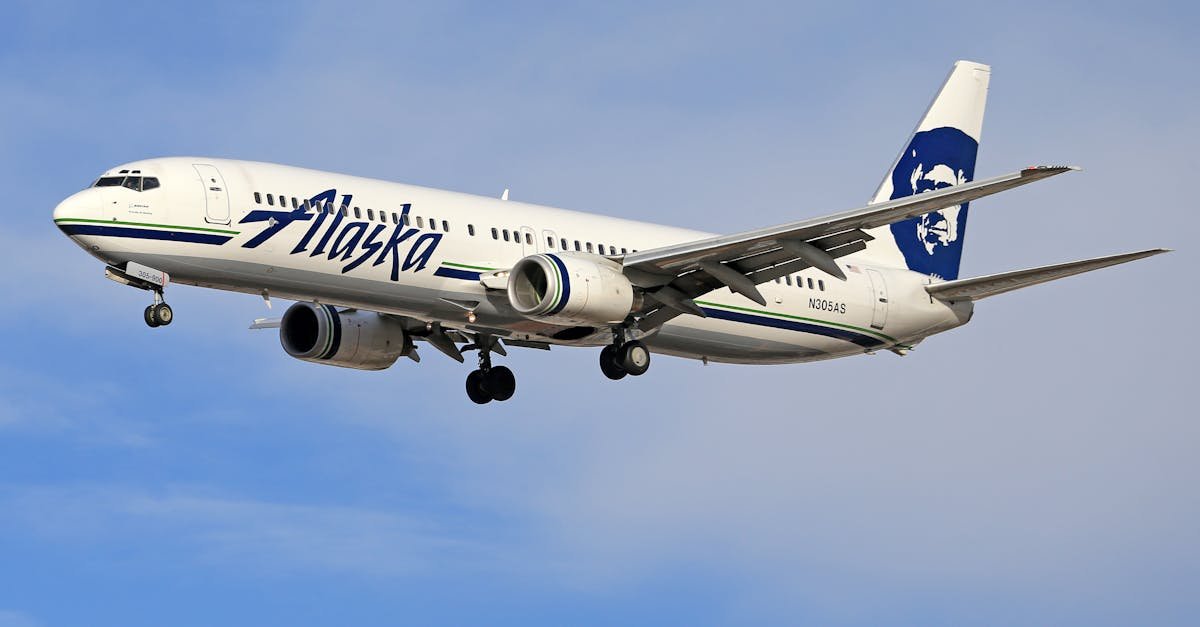
The aviation industry is witnessing a financial transformation that was nearly unthinkable a decade ago. At the forefront of this shift is Alaska Airlines, a carrier that has recently made headlines not just for its operational expansion, but for the staggering new pay scales being offered to its flight crews. As of 2026, the compensation for Alaska Airlines pilots has reached a new peak, with senior captains now commanding salaries that comfortably exceed the $400,000 mark.
This surge in pay is more than just a generous gesture from management; it is a strategic response to a fiercely competitive labor market and a testament to the high-stakes responsibility pilots carry every time they take to the skies.
The $400,000 Club: Breaking Down Captain Compensation
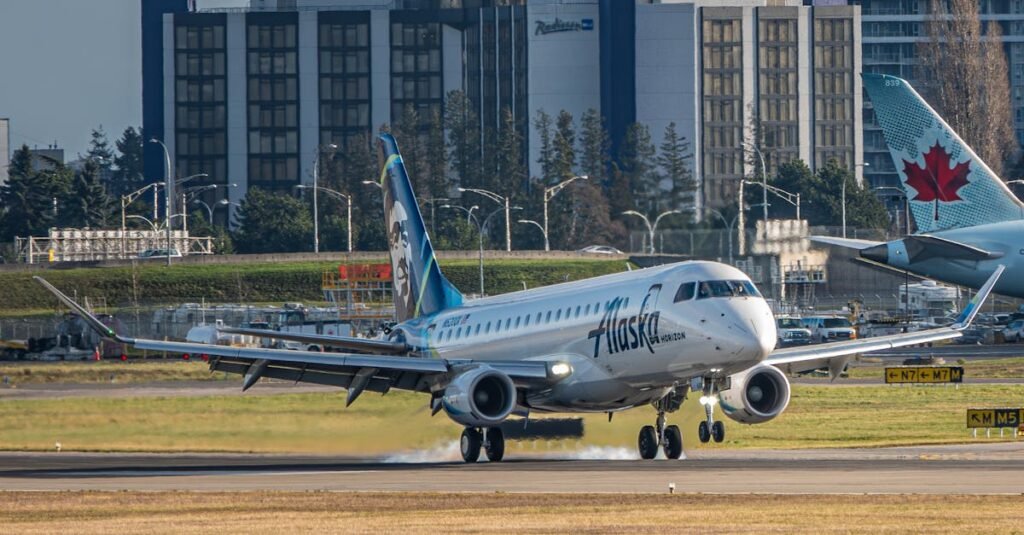
For many, the most shocking figure in the new Alaska Airlines contract is the $400,000+ total compensation potential for senior captains. While the base hourly rate is the foundation of this wealth, the final “take-home” is built through a sophisticated multi-layered pay structure.
Hourly Rates for Captains
The base pay for an Alaska Airlines Captain is determined by their years of service and the type of aircraft they command. Under the current 2026 scales, a senior captain (typically with 12+ years of seniority) earns approximately $361.29 per hour.
If we calculate this based on a standard “guarantee” of 75 flight hours per month—the industry average for a balanced schedule—the base annual salary sits at roughly $325,161. However, senior pilots rarely stop at the base.
The “Extra” That Pushes Pay Over $400K
The leap from $325,000 to over $400,000 occurs through several contractual “add-ons”:
- Green Slip (Overtime) Pay: When pilots pick up extra flights on their days off, they are often paid at a premium rate (1.5x or 2x).
- Performance-Based Pay (PBP): In February 2026, Alaska Airlines made waves by issuing a performance bonus equivalent to nearly three weeks of extra pay to its 32,000 employees, including pilots.
- Per Diems: Hourly allowances for meals and incidentals while away from base.
- Instructor Pay: Many senior captains serve as Check Airmen or flight instructors, adding a significant hourly “override” to their standard pay.
First Officers: A Six-Figure Start
Gone are the days when junior pilots at major airlines had to struggle on poverty wages. Today, a Year 1 First Officerat Alaska Airlines starts with an hourly rate of approximately $119.92.
Based on a 75-hour monthly guarantee, a new hire can expect a base salary of about $107,900 in their very first year. By their sixth year of service, that hourly rate jumps to roughly $234.37, bringing their annual base to over $210,000. This rapid escalation makes Alaska one of the most attractive destinations for pilots transitioning from regional carriers like Horizon Air.
How Alaska Airlines Compares to the “Big Three”
To understand why these numbers are “shocking,” one must look at the broader industry. For years, Alaska was viewed as a “high-quality mid-tier” carrier. However, the 2026 data shows that they are now competing toe-to-toe with “Big Three” legacy carriers (Delta, United, and American).
| Airline | Senior Captain (Base) | Year 1 First Officer (Base) |
| Alaska Airlines | ~$361,000 | ~$108,000 |
| Delta Air Lines | ~$465,000 | ~$111,000 |
| American Airlines | ~$469,000 | ~$116,000 |
| United Airlines | ~$352,000 | ~$105,000 |
While Delta and American still hold a slight edge for the most senior wide-body captains, Alaska Airlines has effectively closed the gap for narrow-body (Boeing 737) operations.
The “Alaska Accelerate” Strategy: Why the Pay Hike?
You might wonder why an airline would suddenly agree to such massive pay increases. The answer lies in the “Alaska Accelerate” plan. Following the integration with Hawaiian Airlines and the expansion of their Boeing 737 MAX fleet, Alaska needs a stable, highly motivated workforce to fuel its growth.
The Pilot Shortage and Labor Leverage
The global pilot shortage has shifted the power dynamic. Pilots are no longer just “employees”; they are the most critical “inventory” an airline possesses. If Alaska doesn’t pay market-leading rates, they risk losing their best talent to Delta or United, leading to canceled flights and lost revenue.
Glassdoor Recognition
Interestingly, Alaska Airlines was recently named one of the Top 100 Best Places to Work in 2026 by Glassdoor. This recognition, fueled by anonymous employee feedback, suggests that the high salaries are paired with a company culture that pilots actually enjoy, a rarity in the often-turbulent world of aviation labor relations.
Beyond the Paycheck: The Benefits Package
The “shocking” numbers don’t even include the retirement and health benefits, which are among the best in the private sector.
- 401(k) Direct Contributions: Unlike many companies that “match” your contribution, Alaska provides a high percentage direct contribution, regardless of whether the pilot contributes their own money.
- Retirement Stability: With the airline industry’s history of pension collapses, these modern, defined-contribution plans offer pilots a level of financial security that previous generations lacked.
- Travel Privileges: Pilots and their immediate families enjoy worldwide standby travel, a perk that remains one of the most cherished “hidden” values of the job.
The Path to the Alaska Airlines Cockpit
If these numbers have you considering a career change, be prepared for a long climb. To sit in the cockpit of an Alaska Airlines jet, you generally need:
- An ATP (Airline Transport Pilot) certificate.
- A minimum of 1,500 hours of flight time (though competitive candidates often have much more).
- Experience in high-performance turbine or jet aircraft.
- A clean FAA record and a First Class Medical Certificate.
Most Alaska pilots “cut their teeth” at regional subsidiaries like Horizon Air, where starting pay for First Officers has also risen to roughly $91,000–$103,000 to ensure a steady pipeline of talent to the main cabin.
How Does the Pay Compare to Other Airlines in the Industry
While $400,000 for a pilot might seem astronomical to the average traveler, it reflects the reality of 2026 aviation. Pilots are managing multimillion-dollar assets and the lives of hundreds of passengers in an increasingly complex airspace.
For Alaska Airlines, these salaries are an investment in reliability. By securing their pilot’s loyalty with industry-leading pay, they ensure that when you book a flight from Seattle to New York, there is a highly skilled professional ready to take you there. In the current market, it seems the sky really is the limit for pilot compensation.
Leave a Reply