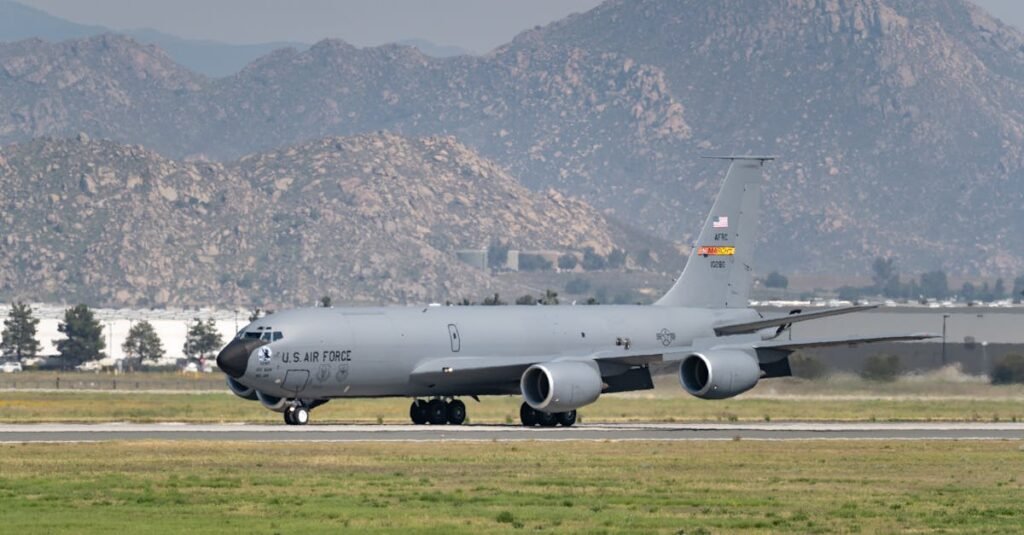
The sky over western Iraq became the site of a profound military tragedy on March 12, 2026, when a United States Air Force KC-135 Stratotanker went down during a high-stakes mission. This loss occurred in the heat of Operation Epic Fury, the ongoing joint campaign involving the United States and Israel against Iranian targets. While the conflict has seen intense aerial combat and missile exchanges, this specific US Air Force KC-135 tanker crash stands out as one of the deadliest non-combat events since the war began on February 28.
As the families of the fallen receive the news that no one ever wants to hear, the military community is grappling with the loss of six dedicated airmen. This event has raised urgent questions about the safety of refueling operations in active war zones and the physical toll on the aging fleet of tankers that keep American fighter jets in the air.
Tragedy in Friendly Airspace
According to official statements from U.S. Central Command (CENTCOM), the US Air Force KC-135 tanker crash took place around 9:00 PM local time in western Iraq. The location of the incident was identified near Turaibil, a desert region close to the border with Jordan. Unlike many other incidents in this conflict, the plane was not in contested airspace at the moment of the disaster. CENTCOM was quick to clarify that the aircraft was flying through friendly territory when the incident occurred.
The mission was part of the broader logistics chain for Operation Epic Fury. In a war where long-range strikes are constant, refueling tankers like the KC-135 are the lifeblood of the mission. They allow bombers and fighter jets to stay airborne for hours, reaching deep into Iranian territory without needing to land at vulnerable forward bases.
The Human Toll and Casualty Reports
Early reports from the Pentagon were cautious, initially confirming four deaths while search and rescue teams combed the desert for the remaining two crew members. However, by Friday morning, the grim reality was confirmed. All six airmen on board the aircraft perished in the US Air Force KC-135 tanker crash.
This loss brings the total American death toll in the conflict to 13. While seven other service members were killed by hostile Iranian drone and missile strikes in Kuwait and Saudi Arabia earlier in the month, these six airmen represent the first Air Force fatalities of the war. The names of the deceased are being withheld for at least 24 hours following the notification of their next of kin, a standard but painful protocol that ensures families hear the news from the military before they see it on the news.
Investigating a Possible Mid Air Collision
Perhaps the most significant detail emerging from the investigation of the US Air Force KC-135 tanker crash is that a second aircraft was involved. While early rumors suggested a shoot-down by militia groups, U.S. officials have firmly rejected those claims. Instead, evidence points toward a catastrophic mid-air collision between two KC-135 tankers.
The second aircraft involved in the incident managed to stay airborne and performed an emergency landing at Ben Gurion Airport in Israel. Flight tracking data showed this second tanker squawking a 7700 emergency code before circling off the coast to burn fuel and landing safely. Photos circulating among aviation enthusiasts appear to show the surviving plane with a massive portion of its vertical stabilizer missing.
Such a collision during a night mission suggests a failure in coordination or a mechanical glitch during a high-pressure refueling orbit. Aerial refueling is a delicate dance where planes fly within feet of each other at hundreds of miles per hour. Even a small error in judgment or a sudden bout of turbulence can lead to a collision that few aircraft can survive.
The Role of Operation Epic Fury
The US Air Force KC-135 tanker crash has cast a shadow over Operation Epic Fury, a campaign that has seen unprecedented levels of military activity in the Middle East. Since the opening strikes on February 28, which resulted in the death of Iran’s Supreme Leader Ali Khamenei, the region has been a tinderbox. The U.S. military has conducted thousands of strikes against Iranian missile sites, drone factories, and command centers.
Logistically, the burden on the tanker fleet has been immense. Tankers are currently operating out of bases in Jordan, Qatar, and Israel, flying round-the-clock missions to support the B-52s and F-15s that are carrying out the bulk of the offensive. The KC-135, a platform that first entered service in the 1950s, remains the backbone of this effort despite its age.
Reliability of the Aging KC-135 Fleet
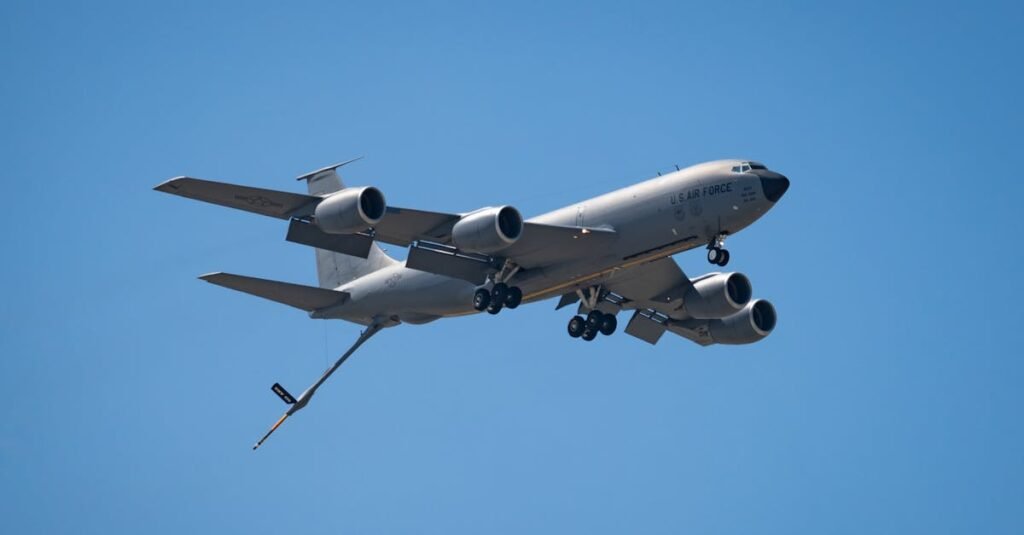
This tragedy has reignited a debate about the longevity of the Stratotanker. While the Air Force has been slowly introducing the newer KC-46 Pegasus, the majority of refueling work still falls on the KC-135. Many of these airframes were built in the 1960s. Although they have been upgraded with modern engines and digital cockpits, the physical airframes are under immense stress during active combat operations.
Experts note that as the war enters its third week, the operational tempo is likely pushing both the crews and the machines to their absolute limits. Fatigue is a major factor in aviation safety, and in a combat environment where pilots are flying long, grueling missions, the margin for error becomes razor thin. The US Air Force KC-135 tanker crash highlights the extreme pressure put on these legacy systems.
Looking Toward the Investigation Results
Military investigators are now tasked with recovering the flight data recorders from the US Air Force KC-135 tanker crash site in western Iraq. They will be looking at everything from communication logs between the two tankers to the maintenance history of the downed aircraft. The surviving crew of the second KC-135 will be instrumental in providing a firsthand account of the moments leading up to the impact.
While the loss of six airmen is a devastating blow, the mission of Operation Epic Fury continues. The Pentagon has indicated that there will be no pause in aerial operations, citing the need to maintain pressure on Iranian military assets to prevent further retaliatory strikes on U.S. allies in the region.
Honoring the Fallen Airmen
As the investigation into the US Air Force KC-135 tanker crash continues, the focus remains on the six individuals who gave their lives in service. These airmen were not just numbers in a casualty report; they were highly trained professionals whose role was essential to every pilot flying over the Persian Gulf. Refueling is often called a thankless job because it happens far away from the glamour of the front lines, yet no mission happens without it.
The coming days will likely see a dignified transfer of remains at Dover Air Force Base, where the nation will pay its respects. This event serves as a stark reminder that even in friendly airspace, the risks of military service are ever present. The sacrifice of these six airmen will be remembered as a somber chapter in the history of this unfolding regional conflict.