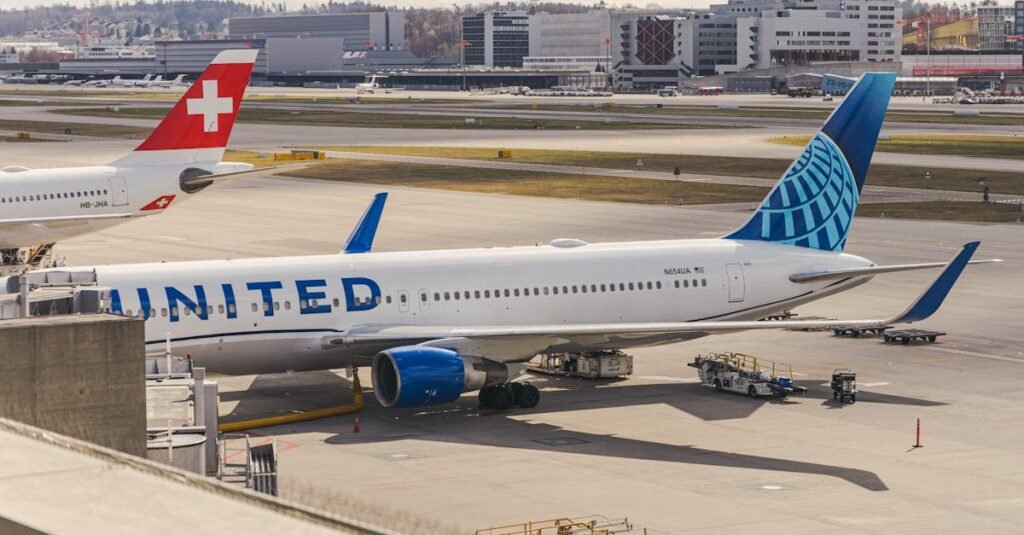
The global aviation landscape shifted dramatically this morning as oil prices breached significant thresholds due to escalating tensions in West Asia. For travelers and industry analysts alike, the primary focus has landed on how domestic carriers will absorb these massive operational spikes. While global airlines often have safety nets in place to handle energy volatility, many American companies are entering this crisis with far less protection. Specifically, the focus remains on why major players like United Airlines find themselves in a particularly sensitive position as jet fuel costs climb toward record levels.
The Abandonment of Fuel Hedging
To understand why the current surge hits so hard, one has to look at the financial strategies adopted by domestic carriers over the last decade. In the past, it was common practice for airlines to engage in fuel hedging. This process involves buying fuel at a set price for future use, essentially creating an insurance policy against sudden market jumps. However, many US companies, including United Airlines, moved away from this practice after several years of relatively stable oil prices.
The logic at the time was simple. Hedging is expensive and requires significant fees paid to banks and brokers. If fuel prices remain low or drop further, the airline ends up paying more than the market rate, which hurts their competitive edge. Because of this, United Airlines and its domestic peers decided to face the market directly. While this saved money during the quiet years, it leaves them completely exposed to the 60% increase in jet fuel prices witnessed this month. Without those locked-in rates, every extra cent at the pump translates into a multi-million dollar hit to the quarterly earnings of United Airlines.
Comparing Global Safety Nets
The vulnerability of the American market becomes even more apparent when compared to international counterparts. Carriers in Europe and Asia have largely maintained their hedging portfolios. For instance, some European groups have already secured up to 80% of their fuel needs for the first half of 2026 at much lower prices. This allows them to keep ticket prices relatively stable even as the world around them grows more expensive.
In contrast, United Airlines has to purchase fuel at current spot prices, which are reacting in real time to the closure of shipping lanes like the Strait of Hormuz. When a foreign carrier can fly the same route with fuel bought at 2025 prices, the pressure on United Airlines to raise fares just to break even becomes immense. This creates a disparity where US based travelers might see surcharges appear much faster and more aggressively than those flying on international flagship carriers.
The Weight of Long Haul Networks
The structure of an airline’s route map also dictates how much pain it feels from a fuel crisis. United Airlines operates one of the most extensive international networks of any carrier in the world. While short domestic hops are expensive, long haul flights across the Atlantic and Pacific oceans consume massive amounts of kerosene.
As jet fuel prices soar, the cost of operating a ten hour flight increases by tens of thousands of dollars almost overnight. For a company like United Airlines, which relies heavily on these high mileage routes for its premium revenue, the math becomes difficult. Unlike smaller low cost carriers that can cut a few regional flights, United Airlines must maintain its global connectivity, even if the fuel burn on those routes is currently eating through their profit margins. This “long haul trap” is a major reason why the big three US carriers are watching the tickers with more anxiety than regional players.
Operational Adjustments and Rerouting
It is not just the price of the fuel itself that is causing headaches. The geopolitical situation has forced many flight paths to change. Avoiding certain airspaces means planes are staying in the air longer, sometimes adding two hours to a single journey. Longer flight times mean more fuel burned, and more fuel burned at higher prices creates a compounding financial problem.
United Airlines is currently navigating these logistical hurdles daily. Every detour required for safety adds a layer of expense that was not budgeted for at the start of the year. When you combine higher prices per gallon with a higher number of gallons required per trip, the resulting surcharge is almost inevitable. United Airlines management has already noted that these shifts will have a meaningful impact on their financial outlook, signaling that the era of “cheap” international travel may be on a temporary hiatus.
Impact on the Summer Travel Season
As we approach the busy summer months, the timing of this fuel spike could not be worse for the consumer. Most people book their summer vacations in March and April. With United Airlines facing these sudden cost increases today, those booking today will likely see a different price tag than those who secured seats just two weeks ago.
The industry is watching to see how much of this cost can be passed on to the flyer. There is a delicate balance between raising fares to cover costs and pricing out the average family. If United Airlines raises prices too much, travelers might opt for staycations or alternative transport. However, with fuel representing nearly 30% of their total expenses, United Airlines has very little room to absorb the blow without adjusting the cost of a seat.
The Role of Refining Margins
Another technical factor at play is the “crack spread,” which is the difference between the price of crude oil and the price of refined jet fuel. Right now, refining capacity is tight, making jet fuel even more expensive than the crude oil it comes from. While some competitors have small stakes in refineries to help offset this, United Airlines remains largely a buyer of the finished product. This means they are hit twice, once by the rising price of oil and again by the rising cost of turning that oil into usable airplane fuel.
Strategies for the Modern Traveler
For those looking to fly United Airlines in the coming weeks, the advice from experts is to move quickly. Surcharges are often implemented in waves. As the airline realizes the full extent of the daily fuel bill, they may increase the surcharge multiple times. Locking in a fare today might save a traveler several hundred dollars compared to waiting until next month when the full weight of the energy crisis is reflected in the booking systems.
Looking Toward Future Market Stability
The aviation industry has survived fuel shocks before, but the speed of this particular rise is historic. The coming months will test the resilience of the unhedged model favored by US companies. Whether United Airlines decides to return to hedging in the future remains to be seen, but for now, the focus is purely on managing the immediate turbulence. The industry will likely see a shift toward more fuel efficient aircraft and perhaps a reduction in flight frequencies on less profitable routes as a way to conserve resources.