United Airlines is facing renewed attention after an off-duty Federal Aviation Administration (FAA) inspector claimed he was permanently banned from flying with the airline after raising safety concerns. The allegation has sparked discussion across the aviation industry, touching on sensitive issues such as airline accountability, passenger safety, and how safety concerns are handled when raised outside official channels.
While United Airlines has disputed key elements of the claim, the situation has raised broader questions about how airlines respond when safety concerns are brought forward especially when the individual involved is a trained aviation safety professional.
Who Is Involved in the Dispute?
The case centers on an off-duty inspector employed by the Federal Aviation Administration, the U.S. agency responsible for overseeing aviation safety. According to public court filings, the inspector was traveling as a passenger on a United Airlines flight when he noticed what he believed were potential safety issues.
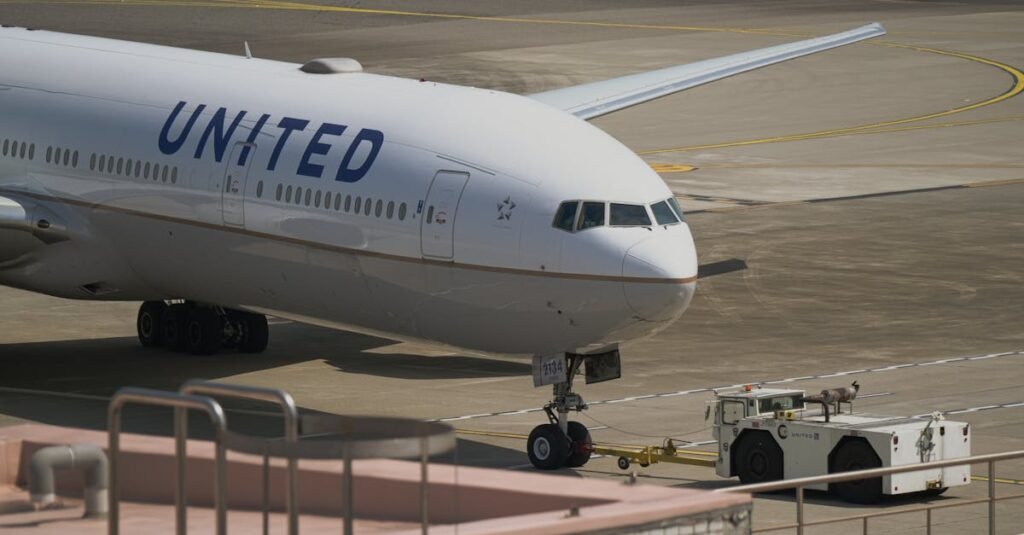
The airline at the center of the dispute is United Airlines, one of the largest carriers in the United States, operating thousands of flights daily across domestic and international routes.
The inspector later reported the concerns, stating that he did so in the interest of aviation safety. He claims that instead of being acknowledged, he ultimately received notice that he had been banned for life from flying with United.
What Safety Concerns Were Raised?
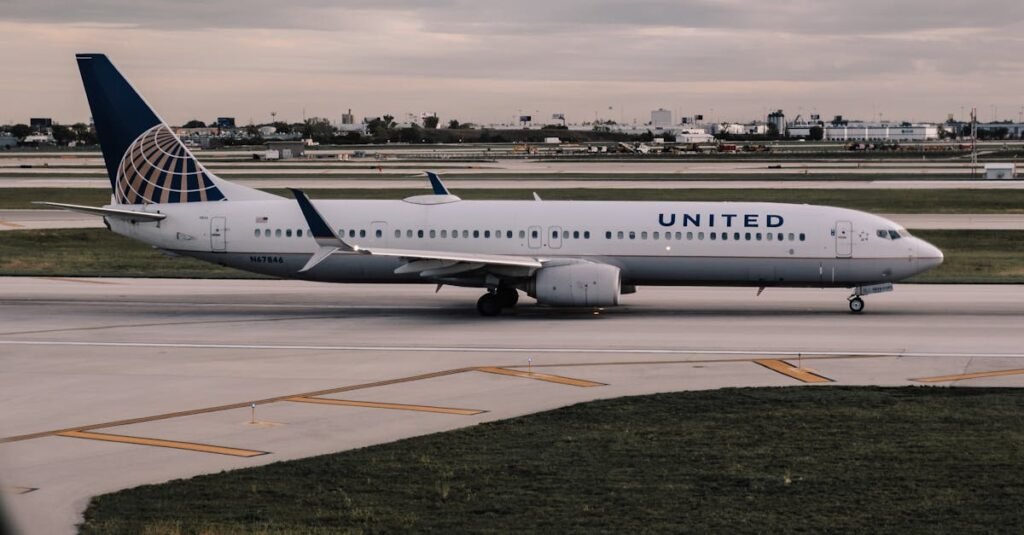
According to the inspector’s account, the concerns were observed while he was off duty and traveling as a regular passenger. The issues reportedly related to flight operations and cockpit procedures, though specific technical details have not been publicly confirmed in full.
Importantly, the inspector has stated that he did not present himself as an FAA official during the flight and did not interfere with crew duties. He later submitted his observations through appropriate channels, believing the matter would be reviewed as part of standard safety oversight.
Aviation experts note that professionals with safety training often remain alert even when off duty. However, airlines typically rely on internal reporting systems and formal regulatory processes to assess any safety-related claims.
The Alleged Lifetime Ban
The most serious claim in the dispute is the alleged lifetime travel ban. The inspector says he was informed that he would no longer be allowed to fly with United Airlines under any circumstances.
From the inspector’s perspective, the ban was retaliatory and directly connected to his decision to raise safety concerns. He has since filed a lawsuit seeking damages and alleging harm to his reputation and career.
United Airlines, for its part, has denied that the ban was related to whistleblowing. The airline has stated that its actions were taken for other reasons and that safety remains its top priority.
United Airlines Responds
United Airlines has publicly emphasized its commitment to safety and compliance with federal regulations. The airline has also stated that it cooperates closely with the FAA and follows established procedures when safety issues are reported.
In similar cases, airlines often argue that bans are issued due to passenger conduct, communication issues, or perceived disruptions rather than the content of safety reports themselves. United has not admitted wrongdoing and is expected to defend its position in court.
As the case proceeds, more details may emerge through legal filings and testimony.
Why This Case Matters to Aviation Safety

This situation has resonated across the aviation community because it sits at the intersection of safety reporting and corporate authority. Aviation safety relies heavily on people speaking up when they see something concerning—whether they are pilots, inspectors, cabin crew, or even passengers.
If professionals fear negative consequences for raising concerns, critics argue it could discourage reporting. On the other hand, airlines stress the importance of clear communication channels and maintaining order during flight operations.
The case highlights the delicate balance between encouraging safety awareness and managing passenger interactions in a highly regulated environment.
Legal and Industry Implications
Legal experts say the outcome of the case could influence how airlines handle future safety-related complaints from off-duty professionals. While airlines retain the right to refuse service, that authority may be questioned if bans appear linked to safety reporting.
For the aviation industry, the dispute serves as a reminder that transparency and trust are essential. Even the perception of retaliation can attract scrutiny from regulators, lawmakers, and the public.
What Happens Next?
The lawsuit is still in its early stages, and no final judgment has been made. Courts will need to determine whether the ban was justified and whether the inspector’s claims of retaliation hold up under legal review.
Until then, both sides maintain their positions. United Airlines continues to operate normally, while the case unfolds in the background as another example of how complex aviation safety issues can become when they intersect with legal and corporate boundaries.
A Broader Conversation About Speaking Up
At its core, this story is not just about one airline or one inspector. It reflects a broader conversation in aviation: how to ensure that safety concerns are raised, heard, and addressed without fear.
As the industry continues to prioritize safety above all else, cases like this remind everyone involved—airlines, regulators, and travelers alike—that how concerns are handled can be just as important as the concerns themselves.