Tag: US Iran War

  • Why US Carriers Like Delta and United Airlines Could Be Hardest Hit by Today’s Fuel Surcharge Surge

    Why US Carriers Like Delta and United Airlines Could Be Hardest Hit by Today’s Fuel Surcharge Surge

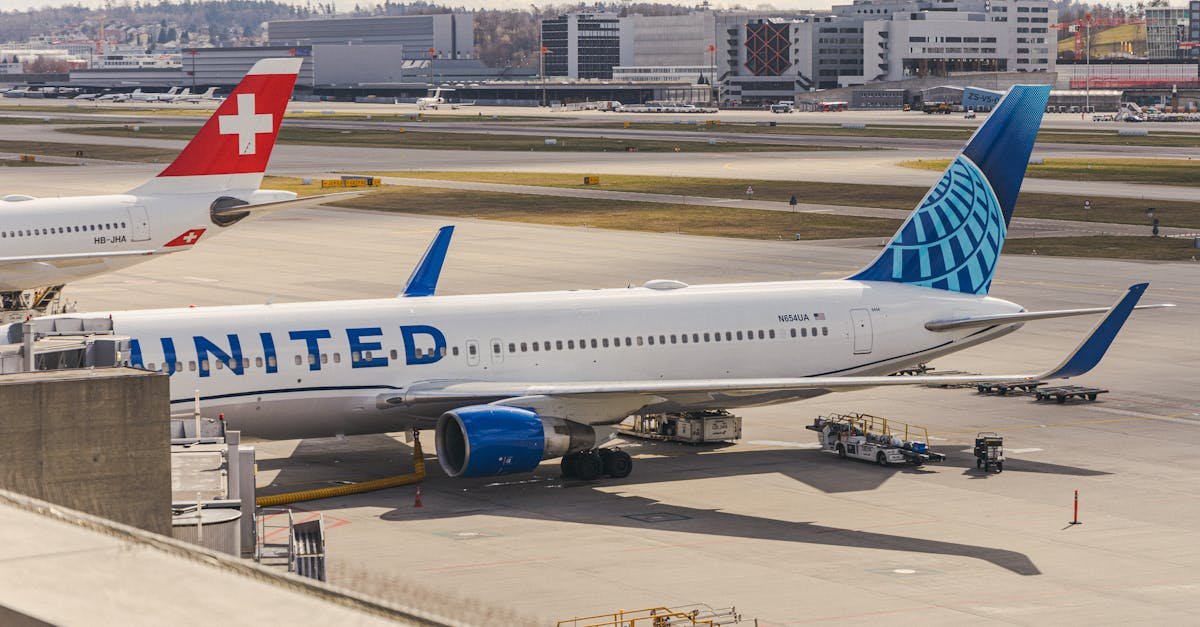
    The global aviation landscape shifted dramatically this morning as oil prices breached significant thresholds due to escalating tensions in West Asia. For travelers and industry analysts alike, the primary focus has landed on how domestic carriers will absorb these massive operational spikes. While global airlines often have safety nets in place to handle energy volatility, many American companies are entering this crisis with far less protection. Specifically, the focus remains on why major players like United Airlines find themselves in a particularly sensitive position as jet fuel costs climb toward record levels.

    The Abandonment of Fuel Hedging

    To understand why the current surge hits so hard, one has to look at the financial strategies adopted by domestic carriers over the last decade. In the past, it was common practice for airlines to engage in fuel hedging. This process involves buying fuel at a set price for future use, essentially creating an insurance policy against sudden market jumps. However, many US companies, including United Airlines, moved away from this practice after several years of relatively stable oil prices.

    The logic at the time was simple. Hedging is expensive and requires significant fees paid to banks and brokers. If fuel prices remain low or drop further, the airline ends up paying more than the market rate, which hurts their competitive edge. Because of this, United Airlines and its domestic peers decided to face the market directly. While this saved money during the quiet years, it leaves them completely exposed to the 60% increase in jet fuel prices witnessed this month. Without those locked-in rates, every extra cent at the pump translates into a multi-million dollar hit to the quarterly earnings of United Airlines.

    Comparing Global Safety Nets

    The vulnerability of the American market becomes even more apparent when compared to international counterparts. Carriers in Europe and Asia have largely maintained their hedging portfolios. For instance, some European groups have already secured up to 80% of their fuel needs for the first half of 2026 at much lower prices. This allows them to keep ticket prices relatively stable even as the world around them grows more expensive.

    In contrast, United Airlines has to purchase fuel at current spot prices, which are reacting in real time to the closure of shipping lanes like the Strait of Hormuz. When a foreign carrier can fly the same route with fuel bought at 2025 prices, the pressure on United Airlines to raise fares just to break even becomes immense. This creates a disparity where US based travelers might see surcharges appear much faster and more aggressively than those flying on international flagship carriers.

    The Weight of Long Haul Networks

    The structure of an airline’s route map also dictates how much pain it feels from a fuel crisis. United Airlines operates one of the most extensive international networks of any carrier in the world. While short domestic hops are expensive, long haul flights across the Atlantic and Pacific oceans consume massive amounts of kerosene.

    As jet fuel prices soar, the cost of operating a ten hour flight increases by tens of thousands of dollars almost overnight. For a company like United Airlines, which relies heavily on these high mileage routes for its premium revenue, the math becomes difficult. Unlike smaller low cost carriers that can cut a few regional flights, United Airlines must maintain its global connectivity, even if the fuel burn on those routes is currently eating through their profit margins. This “long haul trap” is a major reason why the big three US carriers are watching the tickers with more anxiety than regional players.

    Operational Adjustments and Rerouting

    It is not just the price of the fuel itself that is causing headaches. The geopolitical situation has forced many flight paths to change. Avoiding certain airspaces means planes are staying in the air longer, sometimes adding two hours to a single journey. Longer flight times mean more fuel burned, and more fuel burned at higher prices creates a compounding financial problem.

    United Airlines is currently navigating these logistical hurdles daily. Every detour required for safety adds a layer of expense that was not budgeted for at the start of the year. When you combine higher prices per gallon with a higher number of gallons required per trip, the resulting surcharge is almost inevitable. United Airlines management has already noted that these shifts will have a meaningful impact on their financial outlook, signaling that the era of “cheap” international travel may be on a temporary hiatus.

    Impact on the Summer Travel Season

    As we approach the busy summer months, the timing of this fuel spike could not be worse for the consumer. Most people book their summer vacations in March and April. With United Airlines facing these sudden cost increases today, those booking today will likely see a different price tag than those who secured seats just two weeks ago.

    The industry is watching to see how much of this cost can be passed on to the flyer. There is a delicate balance between raising fares to cover costs and pricing out the average family. If United Airlines raises prices too much, travelers might opt for staycations or alternative transport. However, with fuel representing nearly 30% of their total expenses, United Airlines has very little room to absorb the blow without adjusting the cost of a seat.

    The Role of Refining Margins

    Another technical factor at play is the “crack spread,” which is the difference between the price of crude oil and the price of refined jet fuel. Right now, refining capacity is tight, making jet fuel even more expensive than the crude oil it comes from. While some competitors have small stakes in refineries to help offset this, United Airlines remains largely a buyer of the finished product. This means they are hit twice, once by the rising price of oil and again by the rising cost of turning that oil into usable airplane fuel.

    Strategies for the Modern Traveler

    For those looking to fly United Airlines in the coming weeks, the advice from experts is to move quickly. Surcharges are often implemented in waves. As the airline realizes the full extent of the daily fuel bill, they may increase the surcharge multiple times. Locking in a fare today might save a traveler several hundred dollars compared to waiting until next month when the full weight of the energy crisis is reflected in the booking systems.

    Looking Toward Future Market Stability

    The aviation industry has survived fuel shocks before, but the speed of this particular rise is historic. The coming months will test the resilience of the unhedged model favored by US companies. Whether United Airlines decides to return to hedging in the future remains to be seen, but for now, the focus is purely on managing the immediate turbulence. The industry will likely see a shift toward more fuel efficient aircraft and perhaps a reduction in flight frequencies on less profitable routes as a way to conserve resources.
  • US Iran Strikes: Were B-2 Stealth Bombers Used in Operation Epic Fury?

    US Iran Strikes: Were B-2 Stealth Bombers Used in Operation Epic Fury?

    The geopolitical landscape of the Middle East has always been a chessboard of high stakes maneuvers and strategic signaling. Recently, rumors and reports surrounding a mission dubbed Operation Epic Fury have set the defense community and the general public ablaze with questions. At the center of this speculation is the Northrop Grumman B-2 Spirit, the world’s most formidable stealth bomber.

    Public interest piqued when whispers of precision strikes against hardened Iranian targets began to circulate. The primary question on everyone’s mind remains: Did the United States actually deploy its most expensive and secretive aerial assets to carry out these strikes? To understand the likelihood of B-2 involvement, we have to look at the tactical requirements of such a mission and the unique capabilities that only a flying wing can provide.

    The Strategic Context of Operation Epic Fury

    Operation Epic Fury was reportedly designed as a response to escalating tensions and specific threats identified by intelligence agencies. Unlike standard retaliatory strikes that might use sea-launched cruise missiles or standard fighter jets like the F-15E Strike Eagle, this operation appeared to target infrastructure that was either heavily defended or buried deep underground.

    Iran has spent decades fortifying its most sensitive sites. From the Natanz enrichment complex to various missile silos hidden within mountain ranges, these locations are shielded by hundreds of feet of rock and reinforced concrete.Attacking such facilities requires more than just luck. It requires a combination of extreme stealth to bypass advanced S-300 or S-400 surface to air missile batteries and the ability to carry massive, bunker busting munitions.

    The Unique Role of the B-2 Spirit

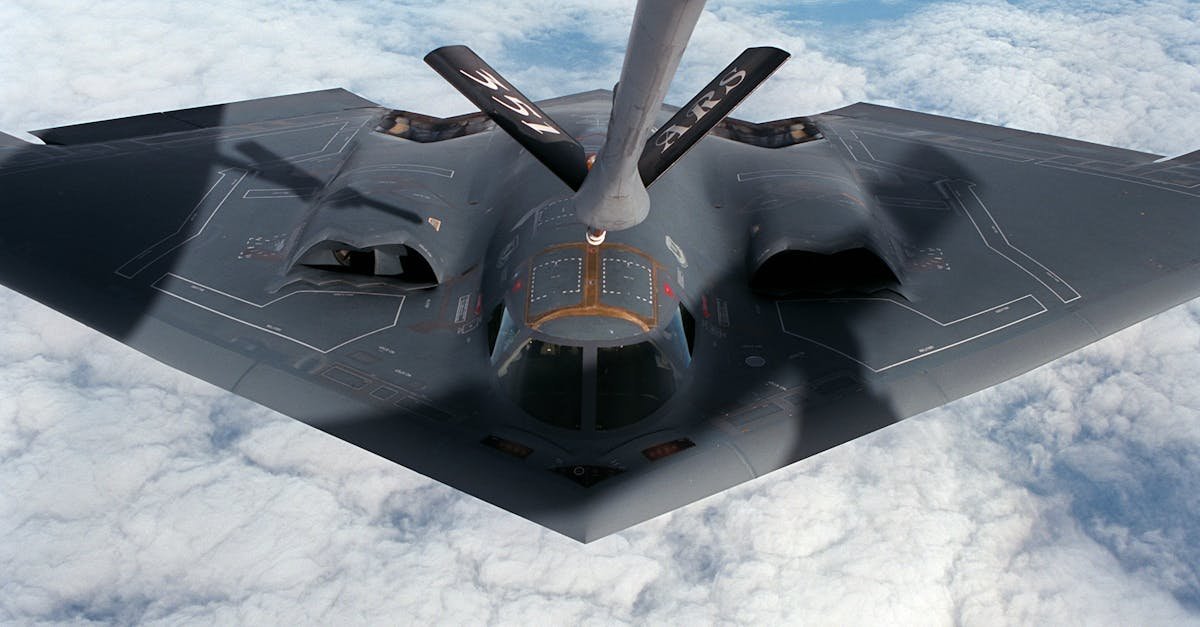
    The B-2 Spirit is not just another plane in the inventory. With only 19 aircraft currently in service, it is a low density, high value asset that the Pentagon saves for the most “day one” of war scenarios. Its primary selling point is its stealth profile, which allows it to penetrate sophisticated integrated air defense systems without being detected.+2

    While the F-35 Lightning II and the F-22 Raptor are also stealthy, they lack the payload capacity to carry the GBU-57A/B Massive Ordnance Penetrator. This 30,000 pound bomb is the only conventional weapon in the American arsenal capable of reaching deeply buried targets. Since the B-2 is the only platform certified to carry and drop this weapon, its presence in any operation targeting underground facilities is almost a mathematical certainty.

    Analyzing the Evidence of the Strikes

    When we look at the aftermath of the reported strikes under the Epic Fury banner, the precision of the damage is telling. Standard Tomahawk missiles are excellent for taking out surface radars or command centers, but they lack the kinetic energy to collapse a mountain tunnel.

    Eyewitness reports and satellite imagery from the region suggested seismic activity that coincided with the timing of the strikes. This type of “man made earthquake” is a hallmark of the Massive Ordnance Penetrator. If the goal of Operation Epic Fury was to neutralize deep state assets, the B-2 Spirit is the only tool in the box that fits the job description. Furthermore, flight tracking enthusiasts noted unusual activity around Whiteman Air Force Base in Missouri, which is the sole home of the B-2 fleet, during the window of the operation.

    Why Stealth Was Non-Negotiable

    Iran possesses one of the most dense air defense networks in the region. Their reliance on domestic versions of Russian technology means that any non-stealthy aircraft would be detected long before reaching the heart of the country. A standard strike package involving dozens of support aircraft, tankers, and electronic warfare planes would be a massive “signature” on a radar screen.

    The B-2 operates differently. It often flies halfway around the world from the United States, refuels in mid air, and enters enemy airspace as a lone wolf. By operating at high altitudes and utilizing its specialized coating and shape to deflect radar waves, it can loiter over a target and wait for the perfect moment to strike. In Operation Epic Fury, the element of surprise was likely the highest priority to ensure that the targets could not be moved or further protected.

    Potential Diplomatic and Military Fallout

    Using a B-2 bomber is a massive statement of intent. It tells an adversary that their most protected secrets are not safe. However, the use of such a high profile weapon also carries risks. If a B-2 were ever shot down or suffered a mechanical failure over hostile territory, the loss of technology would be a generational catastrophe for the United States military.

    The decision to use these bombers in Operation Epic Fury suggests that the perceived threat from the Iranian targets outweighed the risk of losing a two billion dollar aircraft. It also serves as a deterrent to other global powers, demonstrating that the United States maintains the reach to strike any point on the globe with total impunity.

    Logistics of a Long Range Strike

    One of the most incredible aspects of a B-2 mission is the sheer endurance required. These missions often last over 30 hours. The pilots, usually only two in number, must manage complex systems, navigate through contested airspace, and maintain focus for over a day in a cramped cockpit.

    For Operation Epic Fury, a strike would involve multiple aerial refuelings over the Atlantic and perhaps the Indian Ocean. This requires a massive logistical tail of KC-135 or KC-46 tankers staged at various friendly bases. While the bomber remains hidden, the support network around it is a masterpiece of military planning. The coordination required to get a B-2 from Missouri to a target in the Middle East and back again is perhaps the most difficult task in modern aviation.

    Debunking the Myths of the Mission

    In the age of social media, rumors often outpace the facts. Some reports claimed that a fleet of B-2s was seen over the Persian Gulf in broad daylight. This is highly unlikely, as the B-2 is a creature of the night. Its dark “ferrite” paint is specifically designed to blend into the night sky, and its missions are almost always timed to maximize the cover of darkness.

    Other theories suggested that the new B-21 Raider might have seen its first combat under Operation Epic Fury. However, the B-21 is still in its testing phase and is not yet ready for high risk combat sorties. For now, the venerable B-2 Spirit remains the king of the shadows. Any major strike on hardened Iranian infrastructure almost certainly relied on the older, battle proven stealth veteran.

    FeatureB-2 SpiritF-15E Strike Eagle
    Stealth LevelVery HighLow
    Max Payload40,000 lbs23,000 lbs
    Primary WeaponGBU-57 MOPGBU-31 JDAM
    RangeIntercontinentalRegional (with tanks)
    Crew22

    The Final Assessment on the B-2 Involvement

    While the Pentagon rarely confirms the specific platforms used in ongoing or sensitive operations, the circumstantial evidence regarding Operation Epic Fury points directly toward the B-2. The nature of the targets, the need for extreme stealth, and the specific requirement for heavy, earth penetrating munitions create a scenario where no other aircraft would suffice.

    The B-2 Spirit remains a symbol of American military might and a silent guardian that can reach out and touch an opponent anywhere, at any time. If Operation Epic Fury was intended to send a clear and devastating message to the Iranian leadership, the “Flying Wing” was undoubtedly the messenger chosen for the task.