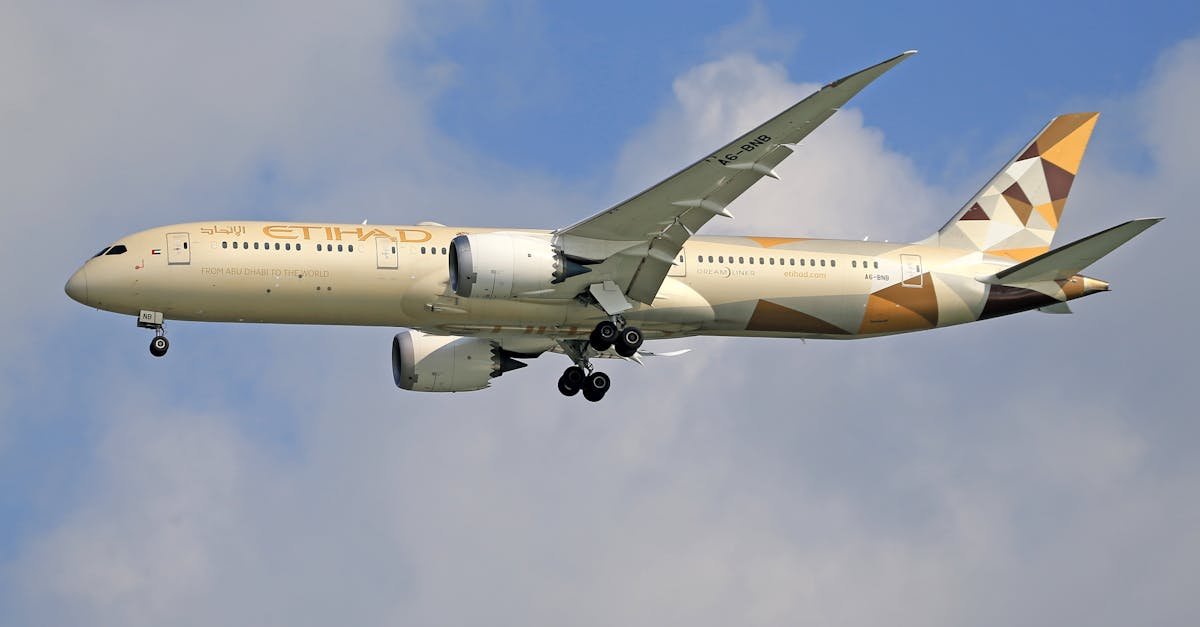
Tag: Etihad Airways

  • McLaren Racing Names Etihad Airways as Official Partner: New F1 Deal Revealed

    McLaren Racing Names Etihad Airways as Official Partner: New F1 Deal Revealed

    The world of Formula 1 is often as much about what happens in the boardroom as what happens on the track. In a move that has caught the attention of both racing enthusiasts and industry experts, McLaren Racing recently confirmed that Etihad Airways has joined the team as an Official Partner. This collaboration marks a significant shift in the sponsorship landscape, bringing together a historic British racing name and a leading global airline from the United Arab Emirates.

    A Perfect Match for Global Travel and Speed

    At its heart, Formula 1 is a traveling circus that spans the entire globe. Every year, teams transport tons of equipment and hundreds of staff members to over twenty different countries. Because of this, the link between a top-tier racing team and a major international airline is more than just a marketing stunt. It is a logical step for two brands that live and breathe logistics and international movement.

    McLaren has always been a team that prides itself on precision and forward-thinking. By bringing Etihad Airways into the fold, they are aligning themselves with a brand that shares those exact values. For Etihad, the partnership offers a way to showcase its premium services to a massive, highly engaged audience that follows the sport through every time zone.

    Where You Will See the Etihad Brand

    Fans won’t have to look hard to spot the new partner. The iconic Etihad branding is set to appear prominently on the McLaren race cars. Specifically, the logo will be featured on the rear wing and the halo of the car. These are some of the most visible areas on a Formula 1 car, especially during television broadcasts and in high-speed photography.

    Beyond the machinery, the partnership extends to the drivers themselves. The Etihad logo will be seen on the helmets of the McLaren drivers, ensuring that the brand is associated with the stars of the show during those intense pre-race close-ups. This level of visibility is a clear sign of how deep this commitment goes for both sides.

    Expanding Beyond the Formula 1 Grid

    While the Formula 1 team is the crown jewel of McLaren Racing, this partnership actually reaches further. Etihad Airways will also be an Official Partner for the McLaren United Autosports team in the World Endurance Championship, also known as WEC. This includes the high-profile Hypercar category, where McLaren is looking to make a serious impact.

    This multi-series approach is a smart move. It allows Etihad to reach a different segment of the motorsport audience. While Formula 1 is the peak of popularity, endurance racing has a dedicated following that appreciates the technical stamina and long-form strategy of the sport. By supporting both programs, Etihad cements its place as a cornerstone of McLaren’s entire racing identity.

    Connecting Fans Through a Global Network

    One of the most exciting parts of this deal is how it might affect the people watching from the stands or at home. Etihad Airways currently flies to more than one hundred destinations worldwide. Many of these locations are cities that host a Grand Prix, such as Melbourne, Shanghai, London, and Singapore.

    The two companies have hinted at creating unique fan experiences that bridge the gap between air travel and the racetrack. This could mean special travel packages, exclusive digital content, or events held at airports and fan zones. The goal is to make the fan feel like they are part of the journey, whether they are boarding a flight or watching a car fly past at three hundred kilometers per hour.

    A Spectacular Addition to the Sky
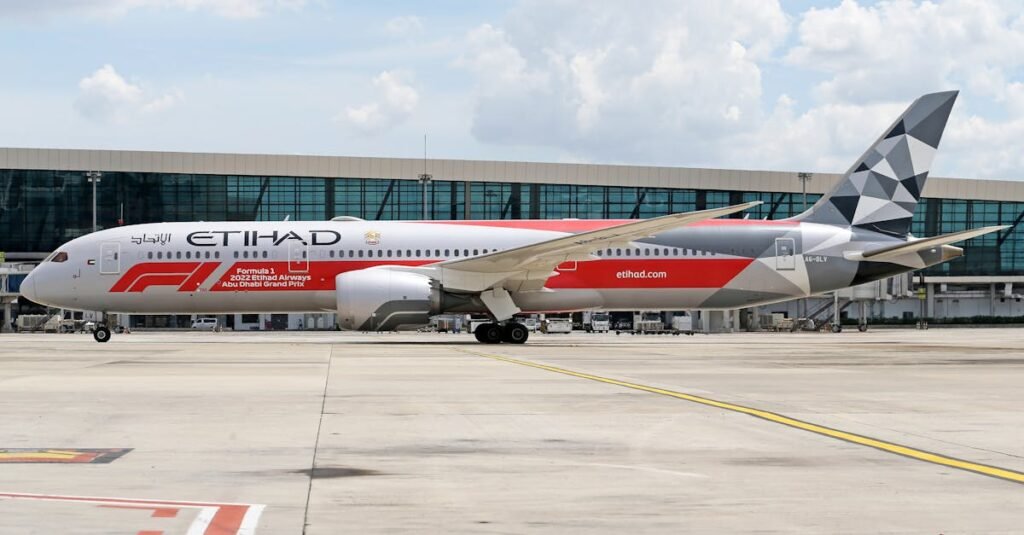
    Etihad Airways Boeing 787 with Formula 1 livery parked at a modern airport.

    In a very literal sense, this partnership will take to the skies. Later this year, Etihad plans to unveil a special McLaren-themed livery on one of its Boeing 787 Dreamliners. Seeing a massive commercial aircraft painted in the colors of a racing team is a rare sight and serves as a giant flying billboard for the partnership.

    This kind of activation is a favorite for airlines because it generates buzz far beyond the race weekend. It turns a standard flight into a talking point and reminds travelers of the excitement of the track every time they see the plane at an airport gate.

    Strengthening Ties with the Middle East

    This partnership is also a reflection of the growing importance of the Middle East in the world of motorsport. Etihad Airways has been the title sponsor of the Abu Dhabi Grand Prix since it first appeared on the calendar in 2009. By partnering with McLaren, they are deepening their roots in the sport.

    It is also worth noting that McLaren has strong existing ties to the region through its ownership. The Bahrain Mumtalakat Holding Company is a major stakeholder in the McLaren Group. Adding a major UAE-based airline like Etihad as a partner shows how the team is successfully navigating the commercial opportunities available in that part of the world.

    Why This Timing Matters for McLaren
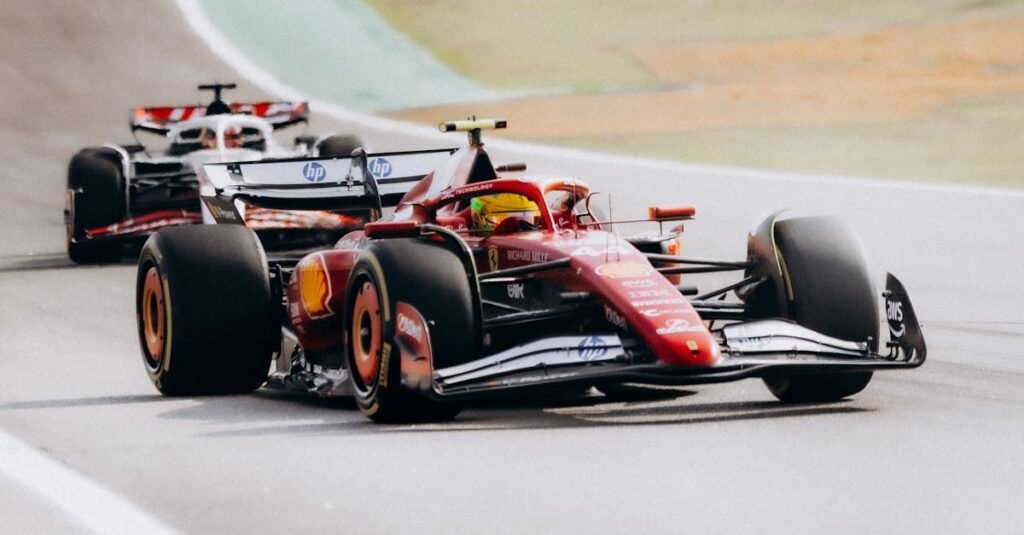
    Thrilling Formula 1 race with Ferrari and McLaren at Interlagos, São Paulo.

    McLaren is currently enjoying a resurgence on the track. After several years of rebuilding, the team is once again fighting for wins and podiums. When a team is performing well, they become a much more attractive prospect for blue-chip sponsors.

    Securing a deal with a brand like Etihad Airways is a vote of confidence in the direction the team is headed. It provides the financial stability and commercial prestige needed to keep competing at the very front of the grid. It also sends a message to other potential sponsors that McLaren is the place to be if you want global impact.

    The Role of Innovation and Sustainability

    Both aviation and motorsport are currently facing the challenge of becoming more sustainable. While it might not be the first thing people think of when they see a fast car or a large plane, innovation in fuel and efficiency is a huge part of the conversation behind the scenes.

    As an Official Partner, Etihad can work with McLaren to share insights on things like lightweight materials and carbon reduction strategies. Both industries are pioneers in engineering, and finding ways to be more efficient is a goal they both share. This common ground makes the partnership feel more like a collaboration than a simple transaction.

    Navigating the Future of the Racing Landscape

    As the 2026 season approaches, the collaboration between McLaren Racing and Etihad Airways is set to become a defining element of the team’s commercial strategy. This upcoming year is pivotal for Formula 1 because it marks the introduction of new engine regulations. For McLaren, having a strong portfolio of partners like Etihad Airways, Mastercard, and Google ensures they have the resources to tackle these big technical changes.

    As the team prepares for this new era, the support of a global airline will be crucial. Whether it is moving staff across continents or launching new marketing campaigns in emerging markets, Etihad will be there as a key pillar of the team’s operations. The announcement is a significant milestone for both companies, built on a shared love for speed, excellence, and global connection. By appearing on the cars, the helmets, and even the airplanes, Etihad is making a bold statement about its commitment to the future of racing. For the fans, this deal promises more than just a new logo on a wing; it promises a more connected experience that brings the thrill of the track closer to the comfort of travel.
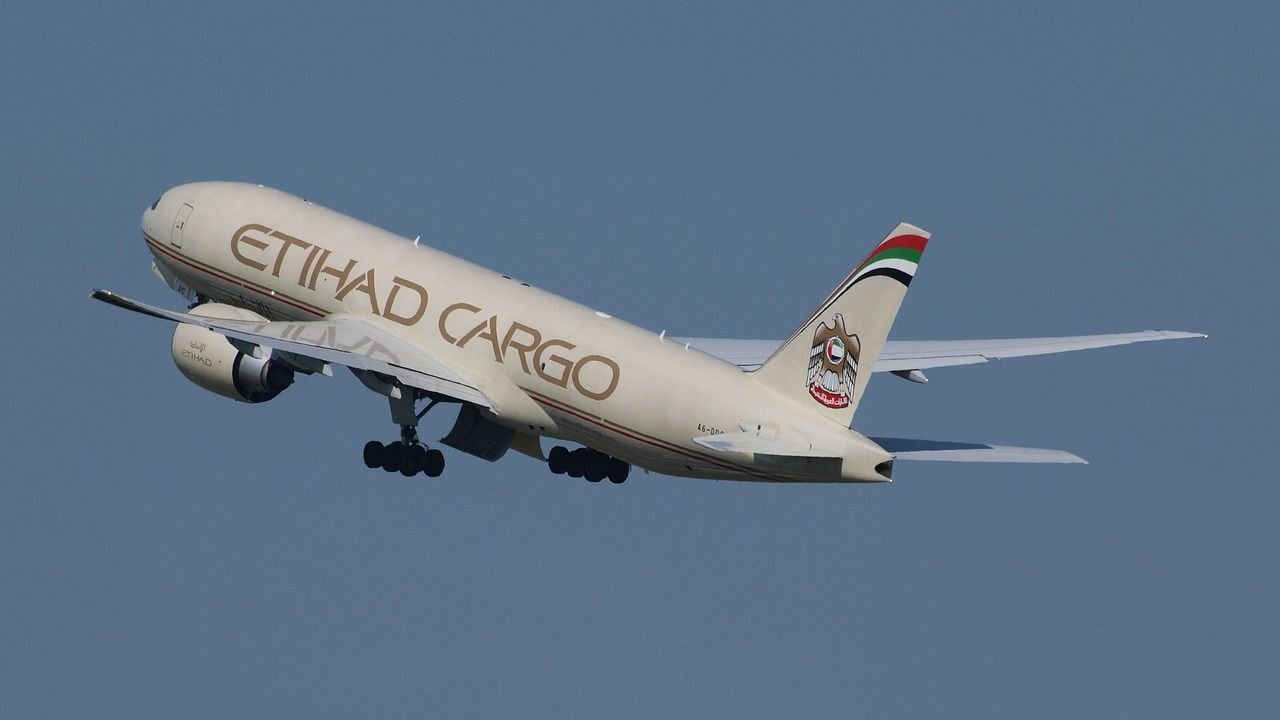

  • Etihad Airways Smashes Records: $698M Profit as Carrier Crushes Industry Averages

    Etihad Airways Smashes Records: $698M Profit as Carrier Crushes Industry Averages

    The global aviation landscape is often defined by thin margins and intense competition, but Etihad Airways has just rewritten the rulebook. In its latest financial disclosure for the full year of 2025, the Abu Dhabi based carrier announced a record breaking profit after tax of $698 million. This represents a massive 47 percent jump compared to the previous year, proving that the airline has firmly moved past its restructuring phase and into a period of aggressive, profitable expansion.

    A Financial Masterclass in a Tough Industry

    To understand the scale of this achievement, one has to look at the wider context of the airline business. The International Air Transport Association recently estimated that the average net profit margin for the global airline industry sits at around 3.9 percent. Etihad Airways has completely bypassed this benchmark, posting a net profit margin of 8.4 percent. This means the carrier is performing at more than double the efficiency of its global peers.

    Total revenue for the year reached $8.4 billion, a 21 percent increase that was fueled by a surge in both passenger and cargo demand. This financial health has allowed the company to generate nearly $2 billion in operating cash flow. Such a strong cash position is vital because it allows the airline to fund its massive future investments without relying heavily on outside debt. In fact, the airline has successfully reduced its debt levels while simultaneously growing its fleet at a record pace.

    Passenger Growth and the Power of Abu Dhabi

    Stunning night view of Abu Dhabi's illuminated skyline reflecting on the water.

    The year 2025 saw 22.4 million people choose to fly with Etihad. This is a 21 percent increase in passenger volume, a figure that is nearly unheard of for a full service carrier of this size. Much of this success stems from the strategic importance of Zayed International Airport. The airline now accounts for roughly half of all passenger growth in the United Arab Emirates, acting as a massive engine for the local economy.

    Interestingly, the airline is not just acting as a bridge for connecting flights. Point to point traffic to Abu Dhabi rose to 5.5 million travelers. This shows that more people are choosing the capital city as their final destination rather than just a stopover point. Additionally, the airline’s specialized stopover program more than doubled in 2025, bringing 170,000 visitors into the city to explore the local culture and attractions before heading to their next flight.

    Scaling the Fleet at Lightning Speed

    One of the most difficult tasks for any airline is growing the fleet without losing operational quality. During 2025,Etihad added 29 aircraft to its lineup, bringing the total operating fleet to 127. This was the largest single year expansion in the history of the company.

    The new additions were not just standard replacements. The airline introduced the Airbus A321LR, which brings long haul comfort to medium distance routes. These planes feature high end cabins that allow the airline to offer a premium experience on routes that were previously served by smaller, less comfortable aircraft. At the same time, the carrier reactivated more of its iconic Airbus A380 double decker jets to meet the heavy demand on popular routes like London and New York.

    By growing the fleet, the airline was able to increase its network from 94 to 110 destinations. New routes to places like Atlanta, Prague, Warsaw, and Hong Kong have opened up fresh revenue streams and strengthened the airline’s presence across North America, Europe, and Asia.

    Efficiency and the 88 Percent Load Factor

    Growth is only valuable if the planes are full, and Etihad has excelled in this area. The passenger load factor reached a high of 88.3 percent for the year. This indicates that despite adding 21 percent more capacity, the airline managed to keep its planes nearly full.

    Managing this level of growth while maintaining an 81 percent on time performance rate is a testament to the operational teams behind the scenes. It shows a level of discipline where every new flight and every new destination is carefully calculated to ensure it adds value to the overall network. CEO Antonoaldo Neves has noted that the airline no longer operates any loss making routes, a rare claim in an industry where many carriers fly certain paths just for prestige.

    Cargo as a Quiet Powerhouse

    While passengers often get the headlines, the cargo division played a crucial role in these record results. Cargo revenue rose to $1.2 billion, supported by a 9 percent increase in volumes. The airline transported over 700,000 tonnes of goods across the globe.

    A major driver of this success was a strategic partnership with SF Airlines, which helped Etihad become the largest cargo operator between mainland China and the Middle East. By using the belly hold capacity of its growing passenger fleet, the airline was able to move high value goods like electronics, pharmaceuticals, and luxury vehicles more efficiently. Specific sectors saw explosive growth, such as the transport of live animals and high value art, proving that specialized logistics are a key part of the modern Etihad business model.

    Reinvesting in the Guest Experience

    Record profits have not led to complacency. The airline has used its financial strength to reinvest heavily in the passenger experience. This includes a 10 percent increase in the Net Promoter Score, which is a key metric for measuring customer loyalty and satisfaction.

    From a brand refresh to a new mobile app and website, the digital side of the journey has been streamlined. Onboard,the investment in First and Business class cabins continues to set new standards. The introduction of the A321LR with lie flat seats in Business class has bridged the gap between short flights and long haul luxury. These efforts have earned the airline over 25 international awards in 2025 alone, ranging from safety honors to recognition for the best economy class experience.

    Etihad’s Roadmap for 2030 and Beyond

    These results are part of a larger plan known as Journey 2030. The airline is not planning to slow down anytime soon.The goal is to eventually serve 38 million passengers annually with a fleet that could reach 200 aircraft by the end of the decade.

    The strategy focuses on organic growth rather than risky acquisitions. By using its own cash to buy new planes and expand into new markets, Etihad is building a sustainable future. The recent credit rating upgrade from Fitch to AA minus confirms that the financial world sees this as one of the most stable and well managed airlines in the sky today.

    Why This Matters for the Aviation World

    Etihad’s success is a signal to the rest of the industry that a focused, disciplined strategy can overcome global economic headwinds. By balancing luxury with operational efficiency and local growth with global connectivity, the airline has found a winning formula.

    As we move further into 2026, the focus remains on delivering what the airline calls extraordinary travel experiences.With 20 new aircraft expected to arrive annually over the next few years, the carrier is well on its way to becoming a top tier global powerhouse. For travelers, this means more choices, better cabins, and a more connected world. For the competition, it means that the airline from Abu Dhabi is no longer just a participant in the market; it is setting the pace for everyone else to follow.