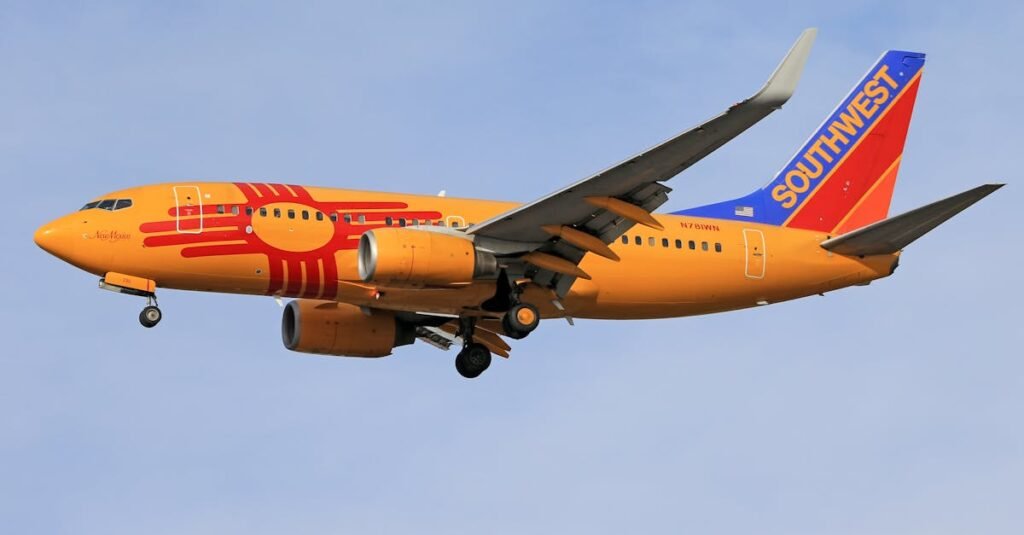
A routine flight across the country turned into a scene of intense scrutiny and high-stakes decision-making this week. For the passengers aboard Southwest Airlines Flight 2094, the journey did not end at their intended destination. Instead, they found themselves on the tarmac in Atlanta, surrounded by law enforcement and federal agents.
When an aircraft makes an unscheduled landing, the first priority is always safety. However, when the Federal Bureau of Investigation (FBI) gets involved, the narrative shifts from a simple mechanical glitch to a potential security matter. This incident has sparked a massive conversation regarding airline safety protocols and the thin line between a misunderstood comment and a genuine mid-air threat.
The Timeline of the Mid-Air Security Alert
The flight began like any other morning departure. Passengers were settled in, the beverage service was underway, and the Boeing 737 was cruising at its standard altitude. Everything changed when the flight crew received information regarding a potential security concern.
While the airline has been careful with the specific details to protect the integrity of the investigation, reports from those on board suggest that the tension became palpable the moment the captain announced the diversion. Pilots are trained to handle a variety of emergencies, but a security-related diversion requires a specific set of maneuvers. The descent was rapid but controlled, as the cockpit sought to get the plane on the ground as quickly as possible.
Upon landing at Hartsfield-Jackson Atlanta International Airport, the aircraft was directed to a remote area of the airfield. This is a standard procedure for security threats, designed to keep the plane away from busy terminals and other parked aircraft.
Why the FBI Leads These Investigations
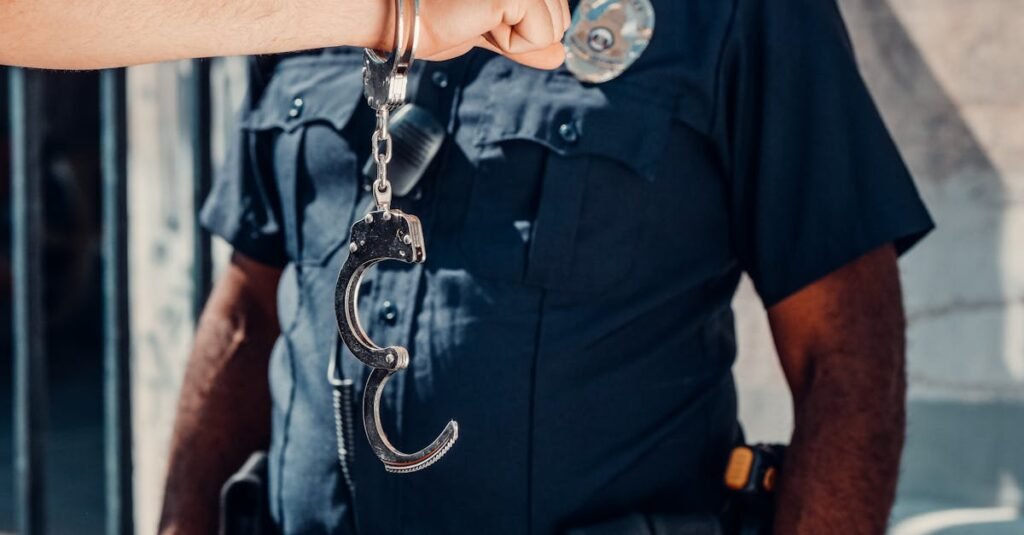
Many people wonder why the FBI steps in instead of local police during an airline incident. The answer lies in federal jurisdiction. Once the cabin door of an aircraft closes and the plane is in flight, it enters federal territory. Crimes or threats committed on an airplane fall under the authority of the United States government.
In this specific Southwest case, the FBI’s presence was immediate. Agents interviewed passengers, spoke with the flight crew, and conducted a thorough sweep of the cabin and cargo hold. Their goal is to determine if there was a “credible threat” or if the situation was a result of a misunderstanding or a mental health crisis.
In many modern cases, these investigations center around “unruly passenger” behavior or suspicious comments made to crew members. In a post-9/11 world, there is no such thing as a small joke or an insignificant threat when you are seven miles above the earth.
The Protocol for Diversions and Emergency Landings
Every pilot has a thick manual of Quick Reference Handbooks that dictate exactly what to do when things go wrong. An emergency landing for a security threat involves more than just flying the plane. It requires constant communication with Air Traffic Control and the airline’s dispatch center.
When Flight 2094 declared an emergency, they were given priority over every other plane in the sky. Other flights were held in patterns or redirected to make a “hole” in the sky for the Southwest jet. This coordination is a marvel of modern aviation safety, ensuring that a plane in trouble has a clear path to the nearest suitable runway.
Managing Passenger Anxiety in a High Pressure Cabin
For the people sitting in seats 12A or 24F, the technical protocols matter less than the fear of the unknown. When a plane suddenly changes course and the flight attendants stop their service to secure the cabin, panic can spread quickly.
Social media has changed how these events unfold in real-time. Passengers often post videos or tweets from their phones while the plane is still on the taxiway. In this instance, snippets of the atmosphere inside the cabin leaked out almost immediately. You could see the concern on the faces of travelers as they watched federal agents board the plane with tactical gear.
The psychological impact of such an event stays with a traveler long after they reach their home. Many of the passengers on this flight had to be rebooked on later departures, but the stress of the FBI interrogation and the sudden landing left many feeling rattled.
The Role of Technology in Detecting Threats
Modern aviation relies heavily on technology to keep the skies safe. From advanced screening at the gate to onboard sensors, the layers of security are deep. However, the human element remains the most unpredictable variable.
In the case of this Southwest flight, it appears that human observation triggered the alarm. Whether it was a piece of luggage that looked out of place or a conversation that sounded threatening, the crew took the “better safe than sorry” approach. Airlines have moved toward a zero-tolerance policy regarding safety. If a flight attendant feels that the safety of the flight is compromised, they are empowered to tell the captain, and the captain has the final word on whether to land the plane.
The Financial and Operational Cost of a Diversion
While safety is the primary focus, the logistical nightmare of a diverted flight is significant. A single emergency landing can cost an airline tens of thousands of dollars. This includes extra fuel costs, landing fees at the diversion airport, and the cost of rebooking hundreds of passengers.
Furthermore, the aircraft itself is often taken out of service for a period of time while it is inspected. This creates a “domino effect” across the airline’s schedule. If that plane was supposed to fly from Atlanta to Denver and then to Los Angeles, those later flights are now delayed or canceled. For Southwest, which operates a “point-to-point” network, a single diversion in the morning can affect flights across the entire country by the evening.
Legal Consequences for Sparking a Federal Investigation
If the FBI determines that a passenger intentionally caused a disruption or made a false threat, the legal consequences are severe. Federal charges for interfering with a flight crew can lead to years in prison and massive fines.
In recent years, the FAA has also started levying civil fines against passengers who cause diversions. These fines can exceed $30,000. This is on top of any criminal charges the Department of Justice might pursue. The message from the government is clear: the safety of the national airspace is not something to be trifled with.
Lessons Learned from the Atlanta Incident
Every time a plane makes an emergency landing, the aviation industry learns something new. Federal agencies and airlines will sit down to review the tapes, the cockpit voice recorders, and the witness statements. They look for ways to improve communication and see if the situation could have been de-escalated without a diversion.
In the 2026 landscape of travel, where flights are more crowded than ever, these incidents serve as a reminder of the vigilance required to keep millions of people moving safely every day. The Southwest pilots involved in this landing are being praised for their professional handling of a tense situation, ensuring that despite the “panic,” the plane landed without a scratch.
Moving Forward After a Travel Scare
The investigation into Flight 2094 will likely conclude with a detailed report that clarifies exactly what was said or found on that aircraft. For the general public, it is a reminder to always be aware of your surroundings and to follow crew instructions without hesitation.
Aviation remains the safest form of long-distance travel in history. While headlines about FBI investigations and emergency landings are frightening, they actually prove that the system is working. The moment a potential problem was identified, the entire machinery of federal law enforcement and aviation safety swung into action to protect the lives of those on board.
If you are a frequent flier, it is helpful to understand these processes. Knowing that there is a plan for every scenario can actually reduce the anxiety of flying. The next time you buckle your seatbelt, you can do so with the knowledge that thousands of professionals are watching over your flight, ready to act the moment anything out of the ordinary occurs.