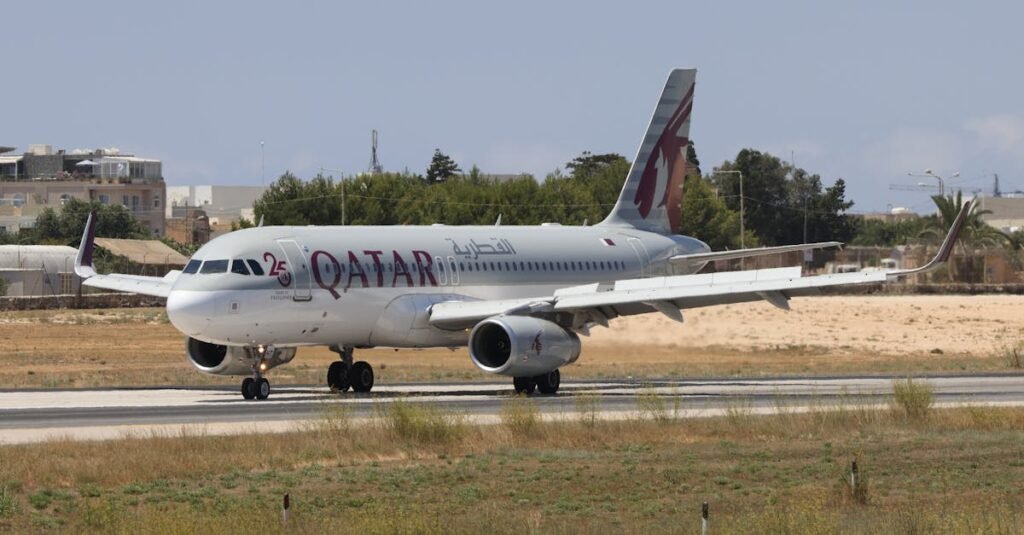
The global aviation landscape shifted rapidly on February 28, 2026, as Qatar Airways announced a total suspension of its flight operations. This decision came shortly after the closure of Qatari airspace, a move triggered by a sharp and sudden escalation in regional military activity. For many travelers, the news arrived while they were already at the airport or even mid-flight, leading to a wave of diversions and cancellations that has rippled across every continent.
As one of the world’s most vital transit points, Doha serves as a bridge between the East and the West. The halting of flights at Hamad International Airport is not just a local issue but a massive hurdle for international travel. If you have a flight booked or are currently transit through the region, understanding the current state of affairs is essential for navigating the weeks ahead.
Why Has Qatar Airways Stopped All Flights?
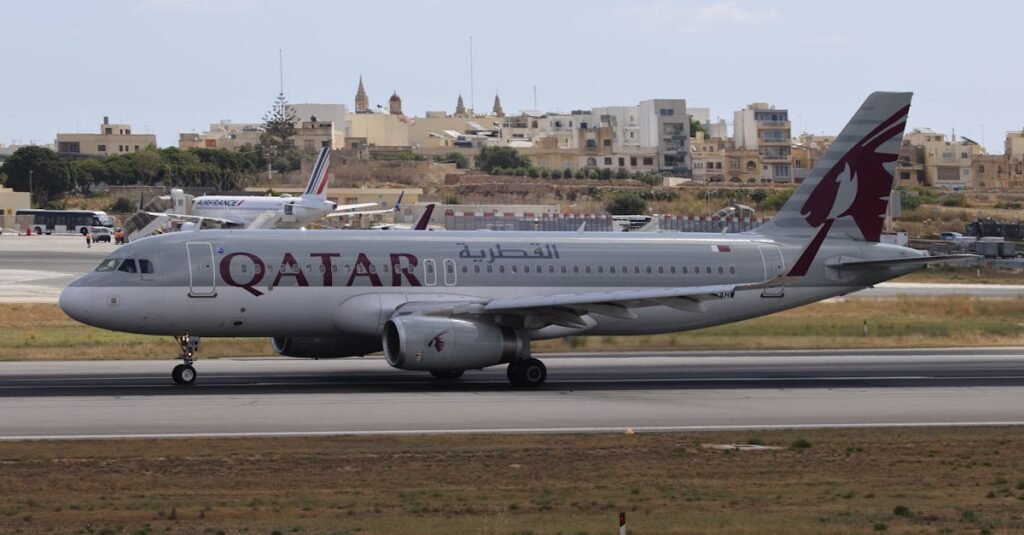
The primary reason for the grounding of the fleet is the safety of the passengers and the crew. Early on Saturday,February 28, the United States and Israel launched coordinated military strikes against targets in Iran. This event led to an immediate retaliation from Tehran, which fired a series of missiles toward various locations. Because Qatar sits in a geographically sensitive area, the local authorities decided that the risk to civilian aircraft was too high to continue normal operations.
Explosions were heard near the Al Udeid Air Base, and Qatari air defenses were active in intercepting projectiles.Under these conditions, the Civil Aviation Authority determined that the sky was no longer a safe environment for commercial planes. This led to the temporary but indefinite closure of the country’s airspace, forcing Qatar Airways to pull all its planes from the sky.
The Immediate Impact on Travelers
The scale of the disruption is difficult to overstate. Because Qatar Airways operates a hub and spoke model, a closure in Doha stops the entire machine from working. Passengers flying from London to Sydney, or New York to Mumbai, find themselves stuck in a state of limbo.
Some planes were forced to perform dramatic U-turns. For instance, a flight from Perth to Doha had to turn back about ninety minutes into its journey, returning to Australia after it became clear that landing in Qatar was no longer possible.Similar stories are emerging from Europe and Asia, where flights were diverted to secondary airports in neighboring countries that still had open runways.
For those already at Hamad International Airport, the situation is one of waiting. The airline has sent extra staff to the terminals to help people with their next steps, but with the airspace closed, there are very few immediate options for flying out.
How the Regional Airspace Closure Affects Other Airlines
It is not just Qatar Airways that is feeling the pressure. The conflict has forced several other nations to shutter their skies or restrict traffic. The United Arab Emirates, Kuwait, Iraq, and Bahrain have all implemented similar measures.This has created a massive “no-fly” block in the middle of some of the busiest air corridors on earth.
Global carriers like Air India, Lufthansa, and British Airways have also cancelled or rerouted their services to avoid the conflict zone. Many flights that usually pass over the Middle East to get from Europe to Southeast Asia are now taking much longer paths, often flying over Africa or through northern routes. This adds hours to travel times and increases fuel costs, which may eventually lead to higher ticket prices for everyone.
What to Do if You Have a Flight Booked
If you have a ticket with Qatar Airways in the coming days, the most important thing you can do is stay informed through official channels. The situation is changing by the hour, and what is true in the morning might be different by the evening.
- Check Flight Status Frequently: Do not rely on old emails or schedules. Use the Qatar Airways mobile app or their official website to see the live status of your flight number.
- Monitor Travel Advisories: Governments are updating their travel warnings. Many countries have now placed Israel, Iran, and Lebanon on “Do Not Travel” lists.
- Contact Your Travel Agent: If you booked through a third party, they will be responsible for helping you find an alternative or processing a refund.
- Keep Your Essentials Ready: If you are currently traveling, ensure you have your chargers, medications, and travel documents in your carry-on bag in case you are grounded for an extended period.
The airline has stated that they are working with government stakeholders to support everyone who is impacted.However, they have also warned that even when the sky reopens, it will take a long time for the schedule to return to normal.
Understanding Your Rights to Refunds and Rebookings
In a situation like this, which is considered an “extraordinary circumstance” beyond the control of the airline, the rules can be a bit different than a typical delay. However, Qatar Airways is generally known for its robust customer service during crises.
Most passengers will be offered the choice between a full refund or a rebooking at a later date once it is safe to fly.Some travelers might be able to change their destination to a nearby city that is not affected by the closure, though this is difficult given how many countries in the region have restricted their airspaces.
If you are stranded at an airport, the airline is expected to provide assistance with meals and, where possible,accommodation. However, because the number of stranded people is so high, local hotels are filling up fast. It is wise to keep all receipts for any expenses you incur, as you may need them for insurance claims later.
The Role of Travel Insurance
Now more than ever, the fine print of your travel insurance policy matters. Most comprehensive policies cover trip cancellations or interruptions due to war or civil unrest, but there are often specific clauses about when the policy must have been purchased.
If you bought your insurance before the strikes on February 28, you are likely covered for many of your out-of-pocket costs. If you try to buy insurance now to cover this specific event, it will likely be excluded as a “known event.” If you are stuck, call your insurance provider’s emergency line to see what level of support they can offer for food, lodging,and alternative transport.
Looking at the Long Term Recovery
Even if the military tension eases tomorrow, the aviation world will feel the aftershocks for weeks. Planes are currently in the wrong places, and flight crews have exceeded their legal working hours. Organizing the “re-start” of a global airline is a massive logistical puzzle.
Travelers should expect a high volume of traffic once the flights resume. Every seat on every plane will be in high demand as the airline tries to clear the backlog of thousands of people. Patience will be the most valuable tool for anyone trying to navigate the Middle East in the early parts of 2026.
Staying Prepared for Future Travel
The events of this week serve as a reminder of how quickly global travel can be disrupted. For those who need to travel for work or family reasons, having a backup plan is becoming a necessity rather than a luxury.
The closure of the Doha hub is a significant moment in aviation history. As the world watches the geopolitical situation unfold, the priority remains the safety of those in the air and on the ground. For now, the best advice for any traveler is to remain calm, stay updated, and wait for the official word that the skies are once again open for business.