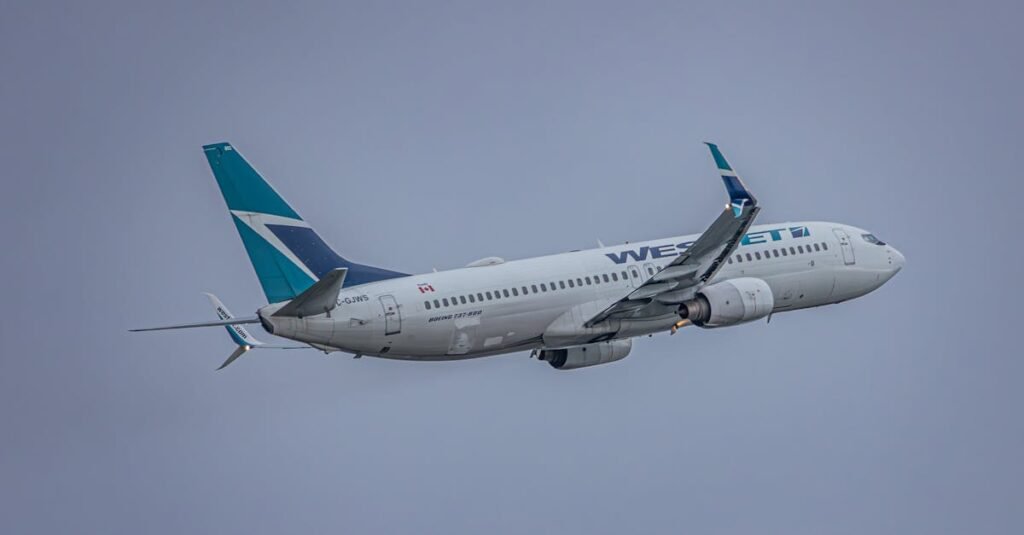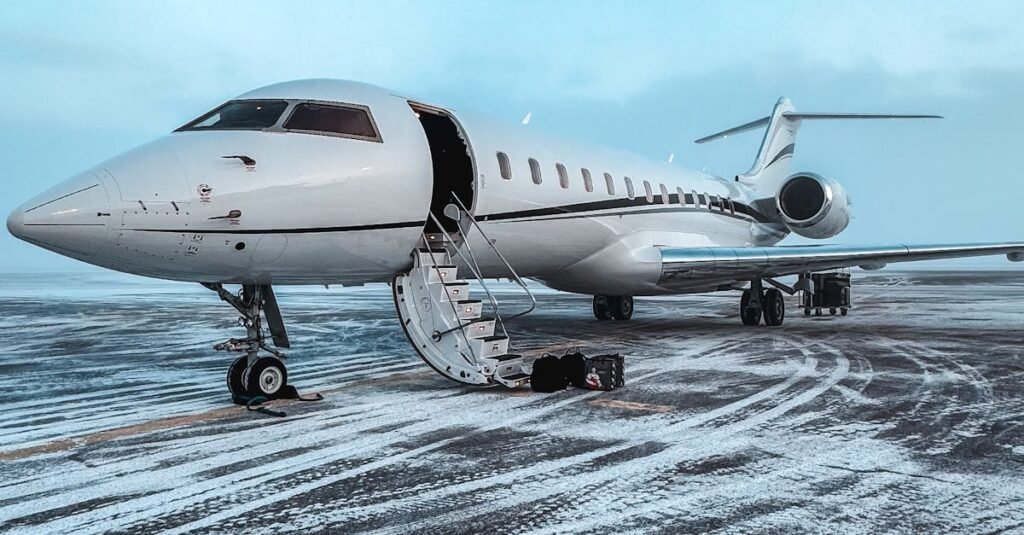
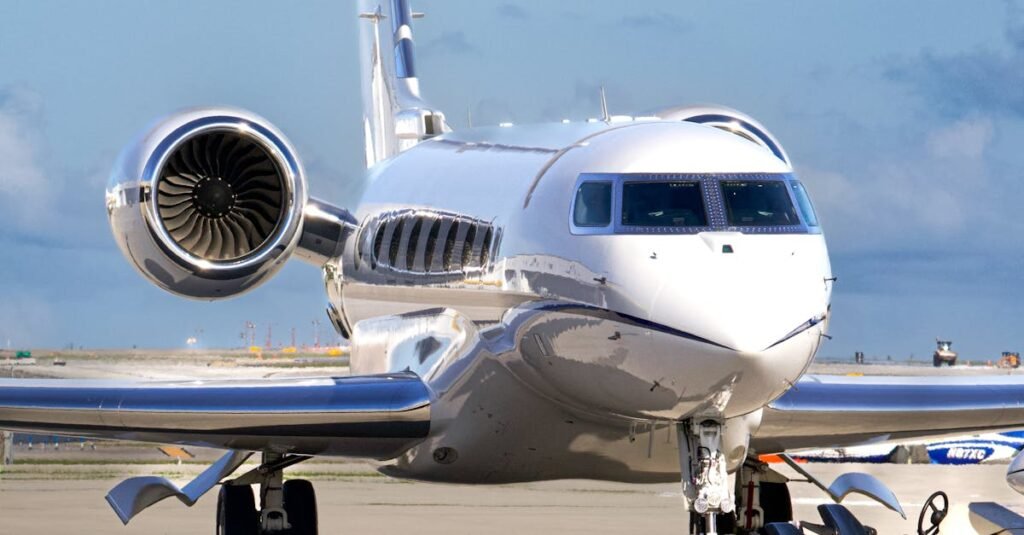
The final whistle at Super Bowl LX didn’t just send fans spilling into the streets, it sent a tidal wave of business aircraft into the skies. In the two hours after the game, flight-tracking snapshots show a dramatic jump in private-jet activity from five Bay Area airfields (San Francisco International, San Jose Mineta, Oakland, Livermore and Hayward). Some analyses put the immediate post-game departure increase at roughly 1,136% compared with a typical Sunday evening, a number that stunned airport staff, handlers and anyone watching the tarmacs.
A flight path of numbers
What looks chaotic from the ground has tidy data behind it. Flight trackers recorded roughly 95 business jets lifting off from the Bay Area within about two hours after the game ended, many heading to Van Nuys, Las Vegas and other West Coast hubs. That short burst stands in sharp contrast to typical Sunday night traffic and explains the enormous percentage jump. The surge was the peak of a weekend that had already seen hundreds of private-aviation movements as travelers and VIPs streamed into the region.
The logistics: Choreography at scale
Pulling an operation like this off is less glamour and more logistics: airports, fixed-base operators (FBOs), handlers, ground transport providers and air traffic control shift into a temporary, high-intensity rhythm. The Federal Aviation Administration’s temporary flight restrictions around the stadium, added security cordons and increased marine and airborne patrols complicate arrivals and departures; aircraft must be routed carefully to avoid congesting the narrow slices of available airspace. Weeks of advance planning, plus real-time coordination on the day, are what keep departures moving rather than bottling them into a long line on the ground.
Who was going where?
Van Nuys in Los Angeles emerged as a favored destination for many of the jets that left the Bay Area promptly after the game, followed by Las Vegas and a handful of domestic and international points beyond. High-profile owners and entertainers often prefer quick, private exits after a big event and for many flights the aircraft are repositioned to a nearby airport for a quick climb out rather than waiting for a gate or ramp space at the closest major field. That pattern explains the cluster of short-haul hops to nearby relays like Van Nuys before long legs to farther cities.
How operators prepare (and profit)
Private-jet companies and fractional operators treat Super Bowl week as a peak season that requires extra staff, extra planes and expanded ground services. Operators negotiate parking and handling slots months in advance, publish “peak-day” requirements for customers and sometimes impose premium fees to account for limited availability. For operators, the weekend is both logistically demanding and lucrative; for customers, the convenience and speed can make the high price tag feel worth it. The whole exercise functions as a mobile showroom for operators, one smooth trip can win a lifelong customer.
Airport strain and practical consequences
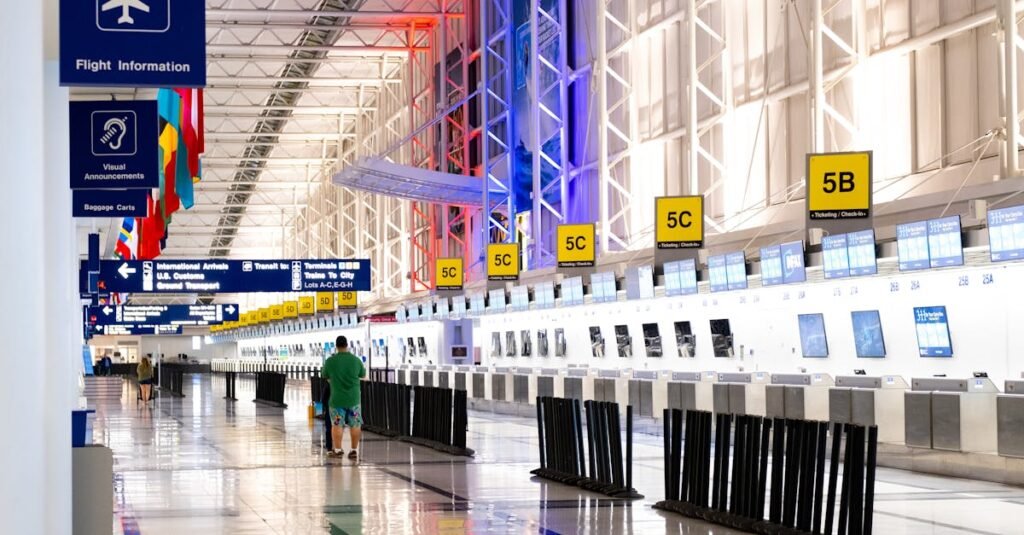
Airports with otherwise steady operations suddenly contend with a chessboard of aircraft needing hardstands, fuel, catering, and security. Ramp space becomes precious and not every airport has the apron capacity to park dozens of large business jets at once and handlers must juggle arrivals, departures and repositioning moves. In some cases, jets will be routed to smaller, satellite airfields and passengers transported by road to the stadium to free up space closer in. That ripple effect can push service crews into around-the-clock work and raise operating costs across the board.
The bigger picture: Super Bowl as private-aviation showcase
The Super Bowl is a marquee event for the private-aviation industry because it compresses so many variables: last-minute travel decisions, high net-worth customers, complex airspace, and an intense need for flawless execution. For companies that handle these spikes well, the reputational payoff is enormous. For communities near major airports, it’s a brief, concentrated period of noise, traffic and economic activity. Everything from extra hotel bookings and catering orders to temporary strains on local services.
Environmental and neighborhood ripple effects

A concentrated burst of business-jet movements raises predictable concerns: noise for nearby neighborhoods, temporary traffic pressure, and the environmental footprint associated with additional jet fuel burn. While the flights are short for many of the repositioning hops, the sheer density of operations in a short window magnifies local impacts. Airports, local authorities and operators increasingly face questions about balancing the economic benefits of hosting such traffic against quality-of-life concerns for residents.
What this means for future events?
If Super Bowl LX is any guide, future big-ticket events will continue to be magnet events for private aviation but they’ll be managed differently. Expect more advanced coordination with satellite airports, preemptive negotiations for ramp space, and continued pressure on regulators to keep airspace safe without throttling legitimate traffic. For airports, the lesson is tactical preparedness; for operators, it’s about maintaining service while scaling up quickly; and for the public, it’s a reminder that the modern event economy has a surprisingly large airborne afterlife.
Final whistle
The image of dozens of sleek business jets lining up after a game is a vivid reminder of how modern sports events ripple far beyond the stadium. Behind the numbers whether you focus on the eye-popping 1,136% post-game spike or the roughly 95 private flights tracked in a two-hour window is a complex system that turns VIP departures into a coordinated, high-stakes operation. For everyone involved, from ground crews to flight planners to hometown residents, the show continues long after the final score is posted.