Traveling to Mexico has long been a staple for American vacationers seeking sun, culture, and relaxation. However, the events of late February 2026 have shifted the landscape significantly. Following a major military operation on February 22 that resulted in the death of a high profile cartel leader, several regions in Mexico experienced a sudden wave of civil unrest. For those with tickets on Delta, United, or American Airlines, navigating this situation requires more than just checking a flight board. It involves understanding specific airline waivers, regional safety alerts, and the logistical reality of a country in flux.
The Spark of the Current Crisis
The current instability stems from a military engagement in Jalisco that targeted the leadership of the Jalisco New Generation Cartel. In the immediate aftermath, retaliatory actions including roadblocks and vehicle fires were reported across more than a dozen states. While the Mexican government has worked to clear these blockades, the ripple effect on transportation has been immense. Major tourist hubs and transit points like Guadalajara and Puerto Vallarta bore the brunt of these disruptions, leading to a cascade of flight cancellations and a heightened security presence at transportation hubs.
The U.S. State Department and the U.S. Embassy in Mexico City issued urgent notices shortly after the violence began.For a period, government employees were ordered to shelter in place in cities like Cancun, Tijuana, and Monterrey.While some of these orders have since been scaled back, the environment remains unpredictable. Travelers are currently advised to exercise extreme caution and stay informed through official channels.
Delta Air Lines: Flexibility and Rebooking
Delta Airlines was among the first to respond to the unrest in Jalisco. The carrier recognizes that safety concerns often outweigh the desire to keep a travel date. Delta has issued specific travel waivers for passengers flying to, from, or through affected areas such as Guadalajara and Puerto Vallarta.
If you are holding a ticket for travel through late February 2026, Delta is allowing a one time change without a fare difference, provided the new travel begins by early March. For those who cannot reschedule within that tight window, the airline is offering the option to cancel the flight and retain the value as a credit for one year. This flexibility is vital for families who may feel uncomfortable heading into a region that was recently under a shelter in place advisory. Delta continues to operate its main hubs in Atlanta, Minneapolis, and Detroit with a focus on repositioning crews that were displaced during the initial peak of the unrest.
United Airlines: Managing the West Coast Pipeline
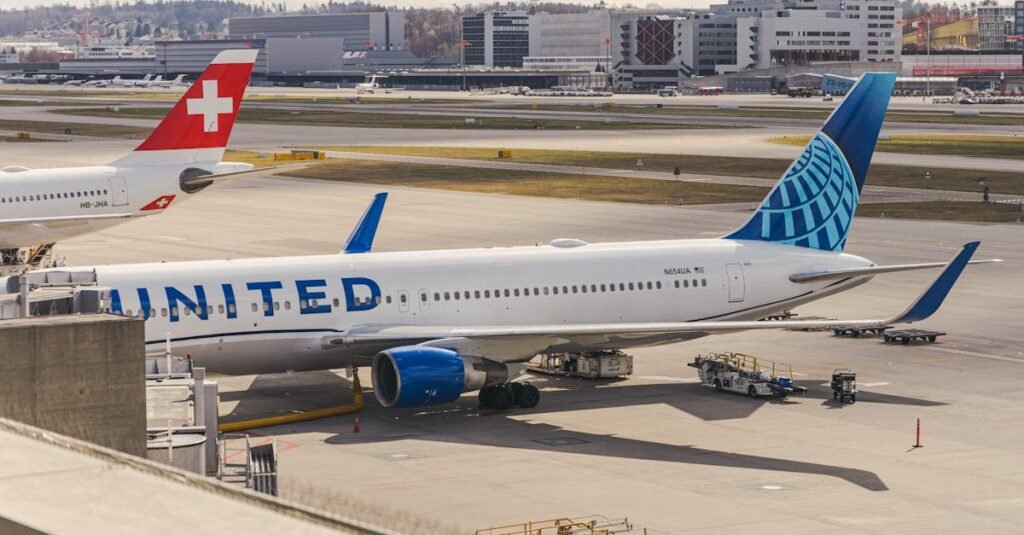
United Airlines maintains a heavy presence in the Mexican market, particularly through its hubs in Houston, Denver, and San Francisco. Because United serves a high volume of business and leisure travelers heading to the Pacific coast of Mexico, the impact of the Guadalajara and Puerto Vallarta disruptions was significant.
United has implemented a rebooking policy that covers original travel dates through the end of February. Passengers can shift their flights to a later date without paying a change fee or a difference in fare, as long as they stay in the same cabin and complete their travel by the first week of March. United has also utilized its “Agent on Demand” feature in its mobile app to help stranded passengers find alternative routes through less affected cities like Mexico City or Cabo San Lucas, where operations have remained relatively stable.+1
American Airlines: Navigating a Difficult Week
American Airlines has faced a particularly challenging week. In addition to the security crisis in Mexico, the airline dealt with separate operational hurdles in the Northeast United States. This “double hit” meant that American had to cancel a significant number of flights to Mexico on February 22 and 23.
For travelers heading to Mexico, American Airlines has issued waivers for several key destinations, including Mazatlan, where U.S. government staff were restricted from traveling through February 25. If your flight was canceled by the airline, you are entitled to a full refund to your original form of payment. If you choose to keep your plans but want to delay them, American is waiving change fees for impacted routes. It is worth noting that some American flights actually turned around mid air when the violence first escalated, so checking the status of your specific aircraft is more important now than ever.
Key Airports and Regional Status
While the news often paints a broad brush, the crisis has affected different parts of Mexico in different ways. Knowing the status of your specific destination is crucial for a safe trip.
- Puerto Vallarta (PVR) and Guadalajara (GDL): These were the epicenters of the flight disruptions. While flights have begun to resume, the availability of flight crews remains a bottleneck. Many ride share services were temporarily suspended in these cities, so traditional taxis or hotel shuttles are the more reliable choice for now.
- Cancun and the Riviera Maya: This region saw a brief shelter in place order for government officials, but the situation has stabilized faster here than in the west. Most flights are operating on schedule, though travelers are still urged to stay within resort perimeters.
- Tijuana and Baja California: Roadblocks impacted the areas near the border, making land crossings risky. Travelers are encouraged to fly directly into their destination rather than crossing the border by car.
- Mexico City (MEX): The capital has remained the most stable transit point. Many travelers have successfully reached their final destinations by rerouting through Mexico City and taking domestic connections.
Essential Safety Tips for US Travelers
If you decide to proceed with your travel plans, you must take extra precautions to ensure your safety and your ability to return home.
First, enroll in the Smart Traveler Enrollment Program (STEP). This is a free service provided by the U.S. government that allows the Embassy to contact you in an emergency. Second, keep a digital and physical copy of your passport and entry documents in separate locations.
Avoid traveling on highways at night. Many of the reported incidents involved roadblocks on major toll roads. If you must travel between cities, do so during daylight hours and stick to the most frequented routes. Lastly, stay in constant contact with your airline. Use their mobile apps to receive real time notifications, as the situation on the ground can change within minutes.+2
Looking Ahead to March 2026
As we move toward the end of February, the frequency of violent incidents has decreased, and the Mexican military has increased its presence in tourist zones to restore confidence. Most airlines expect to return to a full schedule by the first week of March, provided no further retaliatory actions occur.
The crisis serves as a reminder of how quickly the travel landscape can change. For now, the best strategy is a mix of flexibility and caution. If you are unsure about your safety, the generous waiver policies from Delta, United, and American provide a safety net that allows you to postpone your trip without losing your financial investment.