Category: Military Aviation

  • Why Was Ex US F-35 Pilot Arrested by FBI? All About The Shocking Charge and How Was the Retired Major Tracked 

    Why Was Ex US F-35 Pilot Arrested by FBI? All About The Shocking Charge and How Was the Retired Major Tracked 

    The quiet streets of Jeffersonville, Indiana, are not usually the backdrop for international espionage dramas. However, on February 25, 2026, the peace of this suburban community was shattered when the FBI moved in to execute a high profile US F-35 pilot arrest. Agents took 65 year old retired Major Gerald Eddie Brown Jr. into custody, a man they believe compromised American air superiority by sharing elite tactical secrets. Known in the skies by his call sign Runner, this former fighter pilot now finds himself at the center of a federal case that reads like a Cold War thriller.

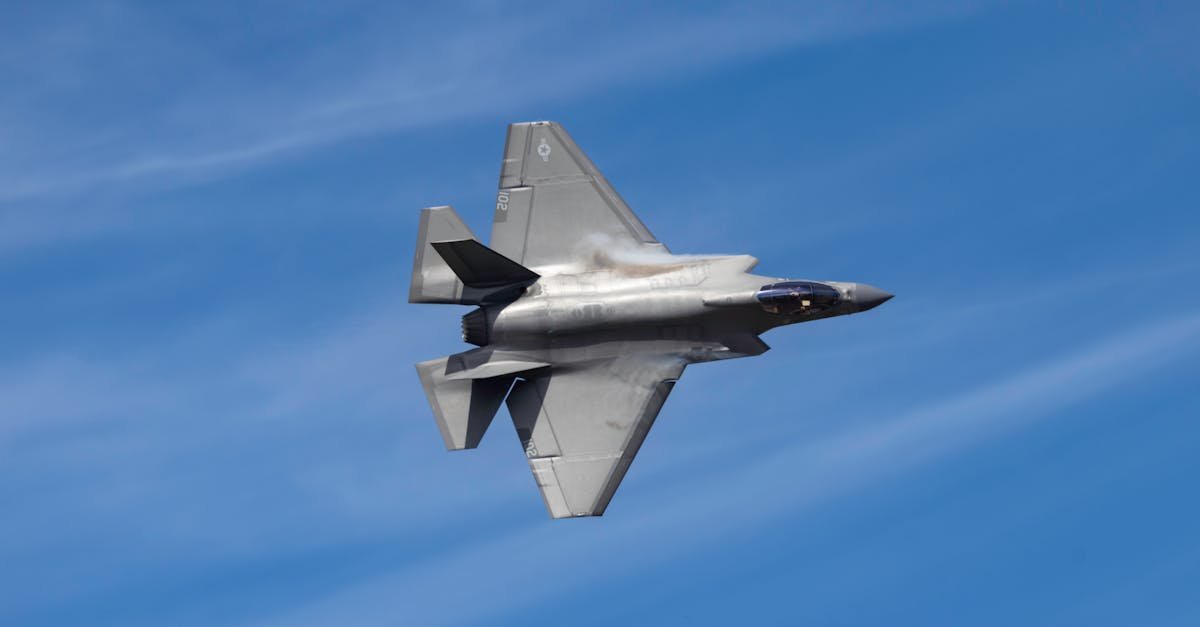
    Brown was once part of the ultimate elite in the United States Air Force. As an instructor for the F-35 Lightning II, the most advanced fighter jet on the planet, he held the keys to the kingdom of modern aerial combat. Today, the Department of Justice alleges he took that specialized knowledge and sold it to the People’s Liberation Army Air Force of China.+2

    A Legacy in the Sky Turned Upside Down

    To understand the weight of these charges, one must look at the career Gerald Brown built over decades. He was not just any pilot. He was a veteran with nearly twenty five years of service, having flown multiple aircraft platforms before transitioning into the world of high tech simulators.

    After his official retirement from active duty, Brown continued to shape the next generation of American aviators. He worked as a contract instructor, teaching pilots how to master the A-10 Thunderbolt II and the stealthy F-35. His resume was a roadmap of U.S. tactical secrets, covering everything from nuclear delivery systems to the specific maneuvers used to evade modern radar.

    The shock of his arrest stems from the fact that Brown was entrusted with the very blueprints of how the U.S. wins wars. By allegedly choosing to share this expertise with a foreign adversary, he did more than just break a law; he potentially gave the Chinese military a playbook on how to counter American air power.

    The Shocking Federal Charges That Led To The US F-35 Pilot Arrest

    The legal hammer falling on Gerald Brown is the Arms Export Control Act. While most people think of arms exports as physical crates of missiles or tanks, the law is much broader. It includes what the government calls defense services. In simple terms, if you have specialized military training or tactical knowledge, that knowledge is considered a weapon.

    The FBI alleges that Brown provided these defense services to China without a license. Under the International Traffic in Arms Regulations, any American who wants to train a foreign military must get explicit permission from the State Department. Federal prosecutors say Brown did not just skip the paperwork; he actively conspired to hide his work.

    The specific accusations are startling:

    • The First Day Briefing: On his very first day in China in December 2023, Brown reportedly spent three hours answering detailed questions about U.S. Air Force operations.
    • Tactical Instruction: He is accused of training Chinese pilots in combat maneuvers and tactical procedures that are strictly reserved for U.S. allies.
    • Deliberate Intent: His own communications reportedly showed he was excited to get back into the cockpit to instruct fighter pilots again, even if they were wearing a different uniform.

    How the FBI Tracked the Retired Pilot
    Close-up of a black and white CCTV surveillance camera with spotlights mounted on a building wall.

    You might wonder how a retired pilot in Indiana ends up on the radar of the FBI’s Counterintelligence and Espionage Division. The trail did not start in the sky; it started in the digital shadows of a known criminal network.

    The FBI alleges that Brown did not find this job on a typical career website. Instead, he reportedly negotiated his contract through a co-conspirator linked to Stephen Su Bin. For those who follow national security news, that name is a massive red flag. Su Bin is a Chinese national who was sent to an American prison in 2016 for his role in a massive hacking scheme to steal U.S. military secrets.

    By rubbing shoulders with a convicted spy’s network, Brown effectively walked into a digital trap. Federal agents began monitoring his communications as early as August 2023. They watched as he updated his resume, explicitly stating that his objective was to be an “Instructor Fighter Pilot” for the Chinese military.

    The investigation was a massive team effort. It involved the New York Field Office, along with agents from Louisville and Los Angeles. They tracked his travel to China in late 2023 and waited patiently. When he finally returned to the United States in early 2026, the FBI was waiting in Jeffersonville to take him into custody.

    The Global Search for Western Pilots
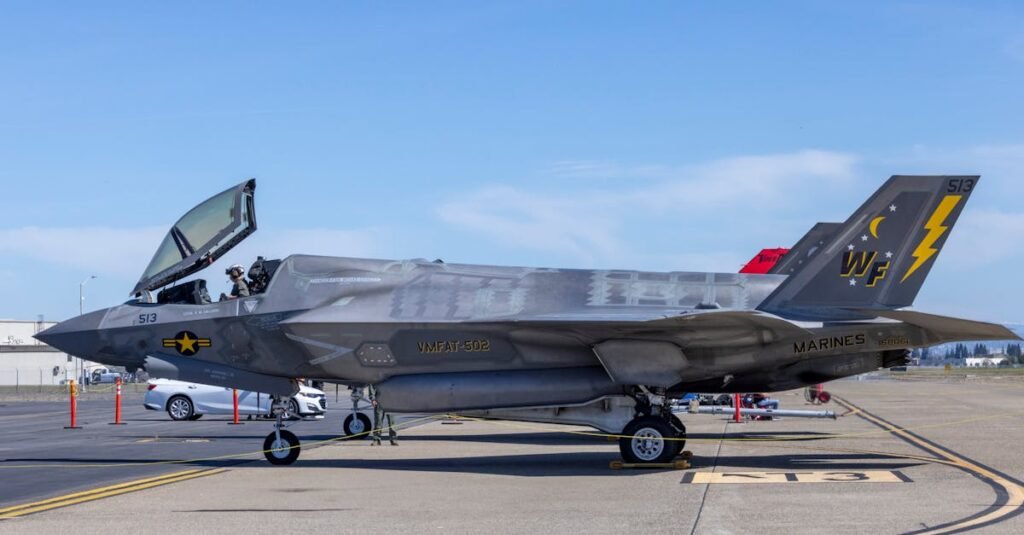
    F-35 fighter jet of the US Marine Corps on a sunny day at an airfield.

    This case is not an isolated incident. Over the last few years, Western intelligence agencies have issued urgent warnings about China’s aggressive recruitment of retired military pilots. The goal for Beijing is simple: they have the jets, but they lack the decades of combat experience and tactical refinement that the U.S. and its allies possess.

    By hiring people like Gerald Brown, the Chinese military can leapfrog years of trial and error. They get to learn exactly how an F-35 pilot thinks, how they communicate, and what their weaknesses might be. It is a shortcut to military modernization that puts current American service members at extreme risk.

    The arrest of Major Brown follows a similar pattern seen in the case of Daniel Duggan, a former U.S. Marine pilot who was arrested in Australia under similar allegations. These cases show a coordinated effort by the U.S. government to shut down these “trainer for hire” pipelines once and for all.

    National Security and the Price of Betrayal

    The mood in the Department of Justice is one of somber determination. Assistant Attorney General John A. Eisenberg made it clear that when a pilot takes an oath to defend the nation, that oath does not have an expiration date.

    The information Brown allegedly shared is not just academic. In a potential conflict, knowing the specific turn rates, sensor limitations, and tactical habits of an F-35 pilot could be the difference between life and death. By sharing these details, Brown is accused of giving an adversary the ability to hunt the very pilots he once trained.

    What Happens Next for Gerald Brown?

    Major Brown now faces a future that looks very different from his decorated past. The charges against him carry a maximum penalty of twenty years in federal prison. He made his first appearance in a Southern District of Indiana courtroom on February 26, 2026, just one day after his arrest.

    As the legal process moves forward, the military community is left grappling with the fallout. For many veterans, the idea of a fellow officer selling tactical secrets to a rival power is a deep sting. The FBI has stated that this arrest should serve as a loud and clear warning to any other former service members considering similar offers.

    The investigation is still very much active. Authorities are looking into whether other Americans helped Brown facilitate his travel or his contract negotiations. For now, the man who once flew at the pinnacle of American military power is grounded, waiting for a trial that will determine if he spends the rest of his life behind bars.
  • F-16 Crash in Turkey: Timeline, Casualty Details, and Investigation Status 

    F-16 Crash in Turkey: Timeline, Casualty Details, and Investigation Status 

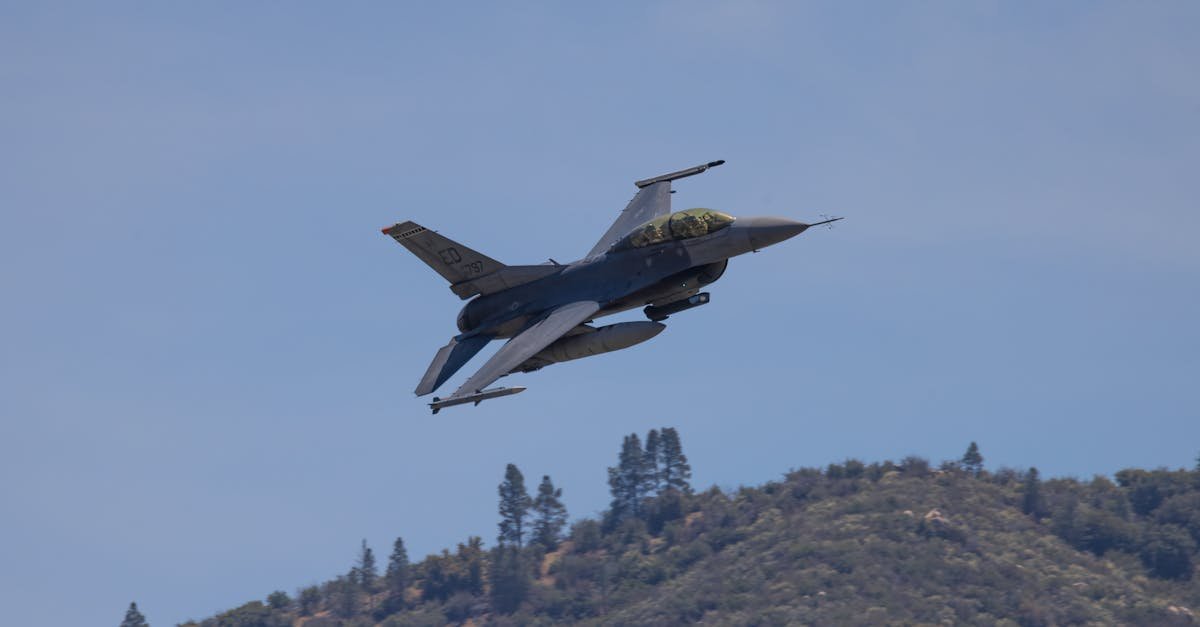
    The quiet night in the western province of Balikesir was shattered in the early hours of Wednesday, February 25, 2026,when a Turkish Air Force F-16 fighter jet went down shortly after takeoff. This tragic event has not only resulted in the loss of a highly skilled pilot but has also raised urgent questions about the circumstances leading up to the crash. As the nation mourns, military officials and aviation experts are working around the clock to piece together the final moments of the flight.

    Detailed Timeline of the Incident

    The sequence of events began at the 9th Main Jet Base Command, a vital military installation located in Balikesir.According to official reports from the Ministry of National Defense, the F-16 Fighting Falcon was scheduled for a routine mission flight, a category that typically includes training exercises or regular patrol duties.

    The aircraft took off at approximately 12:50 AM local time. For the first few minutes, the ascent appeared normal as the jet moved into the night sky. However, the situation changed rapidly. At 12:56 AM, just six minutes after leaving the runway, both radio and radar contact were lost. The sudden disappearance of the aircraft from tracking screens triggered an immediate emergency response at the base.

    Search and rescue teams were dispatched within minutes to the last known coordinates of the jet. Given the proximity of the base to civilian infrastructure, the search focused on the rural outskirts of the Karesi district. By the time the sun began to rise, the wreckage had been located in a field near the Naipli area.

    Casualty Information and the Fallen Pilot

    The most heartbreaking aspect of this incident is the confirmed death of the pilot. The Ministry of National Defense identified the officer as Air Force Major Ibrahim Bolat. In a statement that resonated across the country, Major Bolat was honored as a martyr, a term used in Turkey to recognize service members who lose their lives while performing their duties for the nation.

    Major Bolat was an experienced aviator, and his loss is a significant blow to the Turkish Air Force. He was the sole occupant of the single seat fighter jet. There were no reports of civilian injuries or casualties on the ground, despite the crash occurring relatively close to residential areas and a major transportation artery. The body of the pilot was recovered from the site and transported to the Forensic Medicine Institution for formal procedures before he is laid to rest with full military honors.

    Impact on Local Infrastructure and Traffic After the F-16 Crash

    The location of the crash created immediate logistical challenges for the region. The debris field was found very close to the Istanbul to Izmir highway, which is one of the busiest and most critical roads in western Turkey. To ensure the safety of the public and to protect the integrity of the investigation site, authorities took the rare step of closing sections of the highway in both directions.

    Drivers who were on the road at the time reported seeing a massive flash of light followed by the sound of an explosion. Police and emergency services worked quickly to redirect traffic to secondary roads, but the closure caused significant delays throughout Wednesday morning. By securing the perimeter, investigators were able to document the position of every piece of wreckage, which is a vital step in understanding how the aircraft hit the ground.

    Official Investigation and Legal Procedures

    The response from the Turkish government has been swift and thorough after the F-16 crash. The Balikesir Chief Public Prosecutor’s Office has officially launched a judicial investigation into the crash. Justice Minister Akin Gurlek announced that a team of four prosecutors, including a chief and a deputy, was sent directly to the Naipli area to oversee the collection of evidence.

    Simultaneously, the Ministry of National Defense has formed a specialized accident investigation commission. This team consists of aviation experts, engineers, and senior military officers who will examine the technical side of the disaster. Their goal is to look at the aircraft’s maintenance history, the flight data, and any environmental factors that might have played a role.

    Technical Examination and Maintenance Logs

    One of the first tasks for the commission will be to review the maintenance records of this specific F-16. While the Fighting Falcon is known for its reliability, investigators must determine if there was a sudden mechanical failure in the engine or the flight control systems. They will also look for evidence of any previous technical issues that might have been overlooked.

    Environmental and External Factors

    Since the crash happened in the middle of the night, visibility and weather conditions are under scrutiny. Although initial reports suggest there were no major storms in the area, factors like wind shear or bird strikes can never be ruled out, especially during the critical takeoff phase. The “black box” or flight data recorder, if recovered in a readable state,will provide the definitive answers regarding the jet’s altitude, speed, and any alarms that may have sounded in the cockpit.

    Context of the Turkish F-16 Fleet

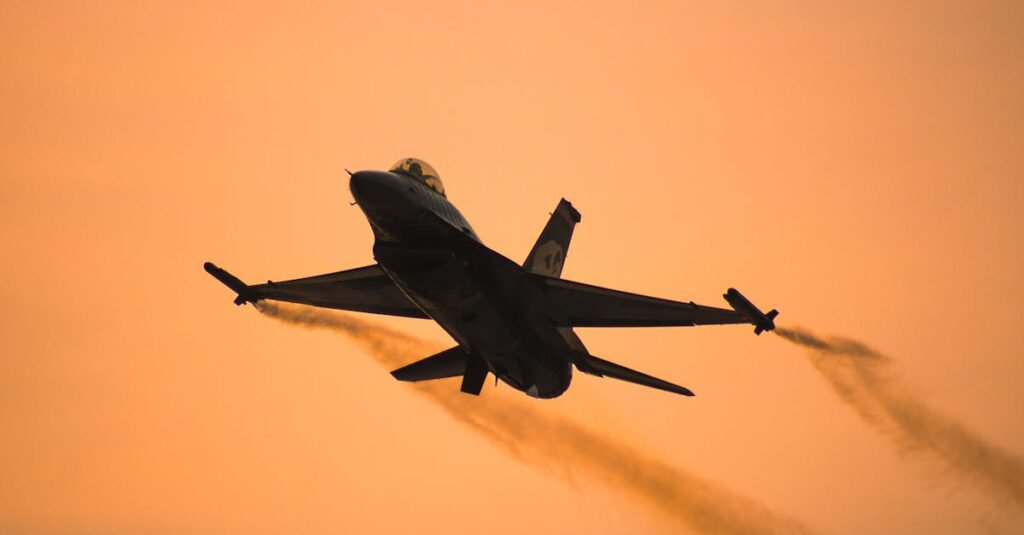
    An F-16 jet flies silhouetted against an orange sunset sky, displaying a dramatic scene.

    This accident comes at a pivotal time for the Turkish Air Force. The F-16 has been the backbone of Turkey’s aerial defense for decades, with the country operating one of the largest fleets of this aircraft type in the world. However, as these airframes age, the need for modernization has become a top priority for the government.

    Turkey is currently in the process of a massive upgrade program, having recently secured a deal with the United States for new F-16V Viper jets and modernization kits for its existing aircraft. Incidents like the one in Balikesir highlight the intense pressure placed on both the machines and the pilots who fly them. Maintaining such a high state of readiness requires constant vigilance and significant investment in safety protocols.

    National Reaction and Support

    The news of Major Ibrahim Bolat’s death has led to a wave of condolences from across the political spectrum. President Recep Tayyip Erdogan and Defense Minister Yasar Guler have both expressed their deep sadness and offered support to the pilot’s grieving family. Local officials in Balikesir, led by Governor Ismail Ustaoglu, have also been active in supporting the recovery efforts and communicating with the public.

    For the people of Balikesir, the sound of jets taking off is a part of daily life. The community has always shared a close bond with the personnel at the 9th Main Jet Base. This tragedy has brought that connection to the forefront, as many residents have expressed their gratitude for the service of pilots like Major Bolat who protect the nation’s skies day and night.

    Next Steps in the Recovery Process

    Over the coming days, the focus will shift from the immediate aftermath to the slow and meticulous process of clearing the crash site. Every piece of the aircraft must be collected and moved to a secure hangar for further analysis. Once the highway is fully cleared of any potential hazards, regular traffic flow is expected to return to normal, though the area will likely remain a restricted zone for some time.

    The final report from the investigation commission is expected to take several months to complete. This report will be crucial not only for providing closure to the pilot’s family but also for implementing any necessary safety changes across the rest of the fleet to prevent such a tragedy from happening again.

    The loss of an F-16 is a significant military event, but the loss of a life is a national tragedy. As Turkey waits for the final answers, the memory of Major Ibrahim Bolat stands as a reminder of the courage required to serve in the armed forces.

  • Iranian Army Helicopter Crash Today: Latest Updates, Casualties, and Location Details

    Iranian Army Helicopter Crash Today: Latest Updates, Casualties, and Location Details

    The central province of Isfahan in Iran became the site of a tragic aviation accident on Tuesday morning, February 24, 2026. An Iranian Army training helicopter went down in a populated area, leading to the loss of four lives. This event has drawn significant attention due to the location of the impact and the current state of military aviation in the region.Emergency crews and investigators spent much of the day securing the site and beginning the difficult task of determining exactly what went wrong during a routine flight.

    Detailed Account of the Incident in Isfahan

    The crash took place at approximately 9:09 a.m. local time. Residents of Dorcheh, a town located in the Khomeynishahr county of Isfahan province, reported hearing the sound of an aircraft in distress before a loud impact.The helicopter was part of a scheduled training exercise conducted by the Iranian Army. According to reports from the Army Aviation Training Centre, the flight was intended to be a standard instruction mission.

    Instead of returning to its base, the aircraft lost altitude rapidly and struck a wholesale fruit and vegetable market compound. This market is a central hub for local commerce, and at the time of the crash, it was active with vendors and buyers. The force of the impact caused an immediate fire to break out among the stalls and crates of produce. Thick black smoke could be seen rising from the marketplace for several miles, signaling the severity of the situation to nearby residents and authorities.

    Official Identification of the Victims

    The tragedy claimed the lives of everyone on board the aircraft as well as individuals on the ground. The Iranian military has officially released the names of the flight crew who died in the line of duty. The pilot was identified as Colonel Hamed Sarvazad, a seasoned officer within the Army Aviation division. Serving alongside him was the co-pilot, Major Mojtaba Kiani. Both men were described as dedicated members of the training program.

    In addition to the military losses, two civilians were killed when the helicopter struck the market stalls. These individuals were local merchants who were working at their booths when the accident occurred. While their names have not been widely publicized in initial international reports, local news agencies confirmed that they were vendors within the Dorcheh wholesale market. No other significant injuries were reported among the bystanders, although many were treated for shock at the scene.

    Emergency Response and Site Security

    Following the impact, the Isfahan crisis management department mobilized immediately. Mansour Shishehforoush, the director general of the department, oversaw the deployment of several fire engines and four ambulances to the Dorcheh market. Firefighters worked quickly to prevent the flames from spreading to adjacent buildings and storage areas filled with flammable packaging materials.

    The fire was brought under control within an hour, allowing recovery teams to access the wreckage. The local judiciary chief, Asadollah Jafari, confirmed that a legal case has been opened to oversee the aftermath. Security forces cordoned off the market to preserve evidence and ensure the safety of the public. Debris from the helicopter was scattered across a wide area of the market floor, requiring a meticulous cleanup operation that lasted well into the afternoon.

    Possible Causes and Technical Investigations

    While the final report will take time to compile, initial findings from the provincial crisis management team point toward a technical malfunction. Preliminary evidence suggests that the pilot may have struggled with mechanical issues shortly before the descent. Investigators are currently examining the remains of the engine and the flight control systems to identify the specific failure that led to the crash.

    The Iranian military operates a variety of aircraft for training, including older models that require intensive maintenance. Although the specific model of this helicopter has been referred to generally as an army training craft, many aviation experts note that these fleets often consist of platforms such as the Bell 214 or similar utility helicopters. Maintaining these aging machines is a constant challenge for the ground crews, as getting specialized parts can be difficult under current international trade restrictions.

    Context of Aviation Safety in the Region

    This incident marks the second major military aviation accident in Iran within a single week. Just days prior, an F-4 Phantom II fighter jet crashed near the city of Hamedan during a separate training mission. In that instance, one pilot was killed while the other managed to survive after ejecting from the aircraft. The back-to-back nature of these accidents has sparked a broader conversation about the safety and reliability of the country’s military hardware.

    Experts who follow Iranian defense developments often highlight the age of the equipment as a primary risk factor.Much of the hardware currently in use was acquired decades ago. Without a steady supply of original manufacturer parts, technicians must rely on domestically produced components or refurbished equipment. This situation puts a heavy burden on pilots and maintenance teams to ensure that every flight is safe for both the crew and the people living near military flight paths.

    Impact on the Local Community in Dorcheh

    The town of Dorcheh is mourning the loss of the two local merchants who were simply going about their workday. The wholesale market is not just a place of business but a community center where many people gather daily. The suddenness of the crash has left many in the area shaken. Local officials have expressed their condolences to the families of the victims and have promised a transparent investigation into why a training flight was over a densely populated marketplace.

    Business at the market was suspended following the crash to allow for the investigation and the removal of the wreckage. For the people of Isfahan, this event serves as a somber reminder of the risks associated with living near active military training zones. The provincial government is expected to review flight corridors to see if changes are needed to prevent future accidents in residential or commercial districts.

    The Path Forward for Investigators

    In the coming days, the Iranian Army Aviation Training Centre will lead a comprehensive review of the incident. This will involve analyzing communication logs between the pilot and the control tower, as well as inspecting the maintenance history of the specific helicopter involved. The goal is to determine if the technical failure was an isolated incident or if it indicates a wider problem within the training fleet.

    As the investigation continues, the focus remains on supporting the grieving families and ensuring that such a tragedy does not happen again. The bravery of the first responders who rushed into a burning marketplace to help their fellow citizens has been a small light in an otherwise dark day for the province of Isfahan. For now, the town of Dorcheh begins the process of cleaning up and moving forward while waiting for definitive answers from the military authorities.