Author: AviationRush News Desk

  • Colombia’s HK-4709 Plane Crash: What Happened, Victims, Latest Updates, and Investigation Details

    Colombia’s HK-4709 Plane Crash: What Happened, Victims, Latest Updates, and Investigation Details

    On January 28, 2026, a small aircraft operated as SATENA Flight 8895 (registration HK-4709) tragically crashed in northeastern Colombia, killing all 15 people on board. The HK-4709 Plane was a routine domestic service between Cúcuta and Ocaña when it mysteriously disappeared from radar shortly before it was scheduled to land. 

    Timeline of the Tragic HK-4709 Plane Crash

    Flight 8895 took off from Camilo Daza International Airport in Cúcuta at approximately 11:42 a.m. local time, bound for Aguas Claras Airport in Ocaña, a short hop of about 20 to 25 minutes. 

    Just 12 minutes into the flight, at 11:54 a.m., the aircraft lost contact with air traffic control and vanished from radar. Authorities immediately declared the flight missing and launched a search operation. 

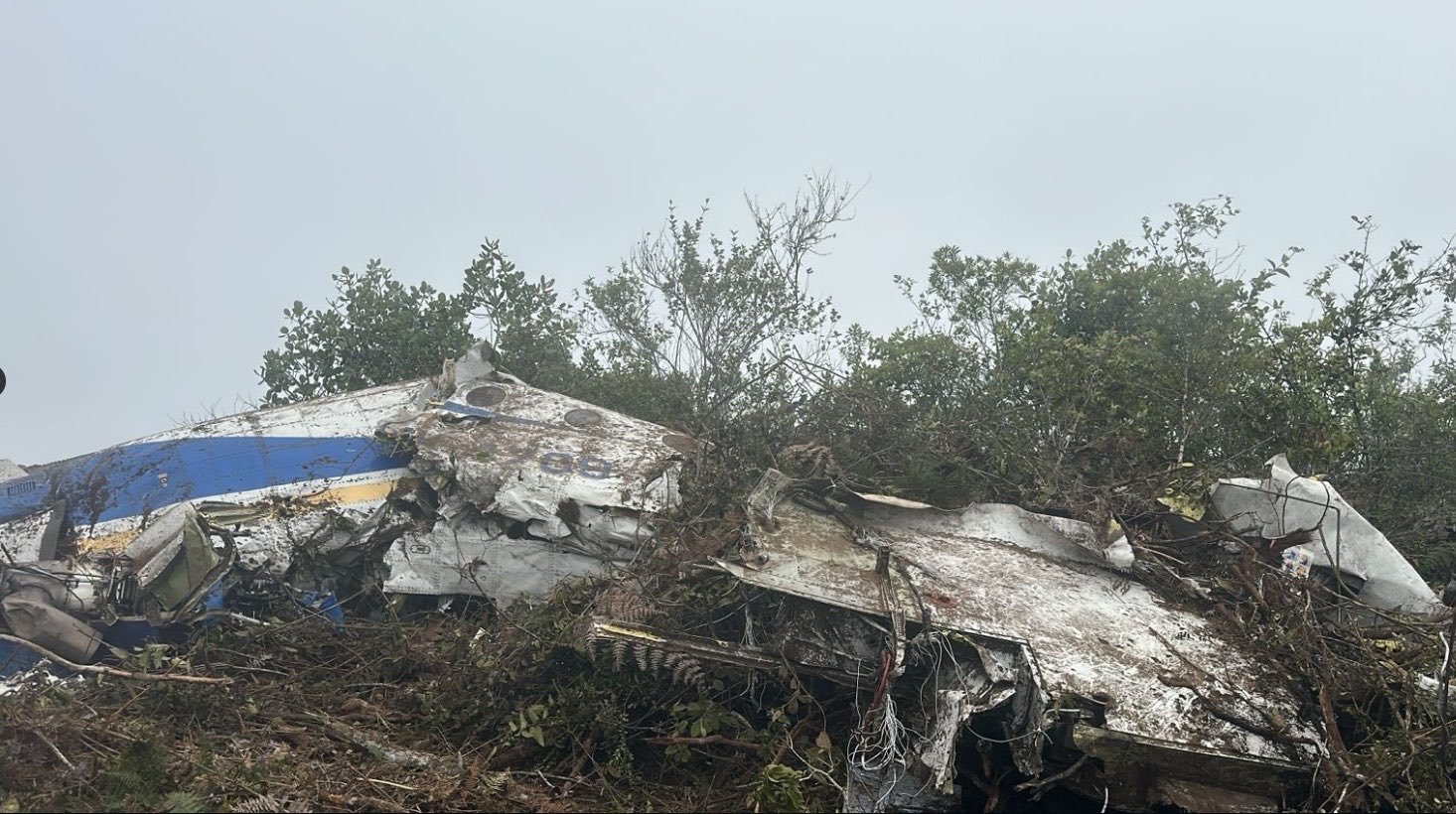
    After hours of searching in the remote and mountainous Catatumbo region near Colombia’s border with Venezuela, rescue teams located the wreckage in the rural area of Curasica, Playa de Belén. Sadly, all onboard had perished. 

    Details About the Aircraft and Operator

    The aircraft involved was a Beechcraft 1900D turboprop, an older model manufactured in 1994, registered as HK-4709. It was operated by SEARCA on behalf of SATENA, Colombia’s state-owned airline that connects remote regions of the country. 

    Beechcraft 1900Ds are commonly used for short regional flights and are capable of operating in rugged environments. However, they are smaller than typical commercial airliners and have a limited passenger capacity in this case, 13 passengers and 2 crew members

    Who Were on Board?

    All 15 people onboard were killed in the crash that included 13 passengers and 2 crew members. 

    Among the passengers were Diógenes Quintero, a 36-year-old Colombian congressman and human rights representative, and Carlos Salcedo, a political candidate. Their deaths prompted national mourning and tributes from public officials, including statements from President Gustavo Petro and party leaders. 

    The crew, identified as Captain Miguel Vanegas and Captain José de la Vega, were experienced pilots serving on this domestic route. 


    Search and Recovery Efforts

    Once Flight 8895 lost contact, Colombian authorities including the Aerospace Force, National Army, and Aerocivil (Civil Aviation Authority) — launched an extensive search operation. 

    The wreckage was found later in the afternoon in terrain that is mountainous, forested, and difficult to access. Local residents first alerted officials to the crash site. 

    Recovery teams worked through challenging conditions to reach the site, collect remains, and begin the painstaking task of identifying victims. Officials confirmed there were no survivors. 


    Investigation: What Do We Know So Far?

    The exact cause of the crash currently remains under investigation by a panel of experts. Colombian aviation investigators have begun gathering data from flight records, radar tracking, and witness accounts to determine what led to the sudden loss of contact. 

    Initial reports indicate the emergency locator transmitter (ELT) did not activate upon impact, complicating early search efforts — a factor that investigators are scrutinizing. 

    Weather, technical issues, terrain challenges, and human factors are all potential areas of inquiry. However, authorities have not yet released a definitive cause. 


    Reactions from Colombia and Beyond

    The crash has had a profound impact in Colombia, particularly in regions connected to the victims. Leaders across the political spectrum expressed sorrow and solidarity with the families of those lost. 

    International news outlets have also covered the tragedy, highlighting the disappearance of the flight, the harrowing search efforts, and the loss of prominent public figures. 


    Conclusion

    The HK-4709 crash remains a deeply tragic event for Colombia and the aviation community. With 15 lives lost, including public servants and local leaders, the focus now turns to uncovering the truth behind what happened and preventing future tragedies. The ongoing investigation will be key to answering critical questions about this devastating accident. 
  • Bombardier Learjet 45 Crash in India: Early Details on the Jet Carrying Ajit Pawar and Four Others

    Bombardier Learjet 45 Crash in India: Early Details on the Jet Carrying Ajit Pawar and Four Others

    A Bombardier Learjet 45 business jet tragically crashed in Baramati, Maharashtra, India, early on January 28, 2026, killing all five people onboard, including Maharashtra Deputy Chief Minister Ajit Pawar. The aircraft went down while attempting to land at Baramati Airport, about 250 kilometers southeast of Mumbai, prompting an immediate investigation by Indian aviation authorities. 

    The aircraft, identified as a Learjet 45 (registration VT-SSK) operated by VSR Ventures Pvt. Ltd., departed from Mumbai around 8:10 a.m. local time, flying a short regional route to Baramati. Flight tracking data suggests it was airborne for roughly 35 minutes before radar contact was lost. 

    Final Approach and Crash

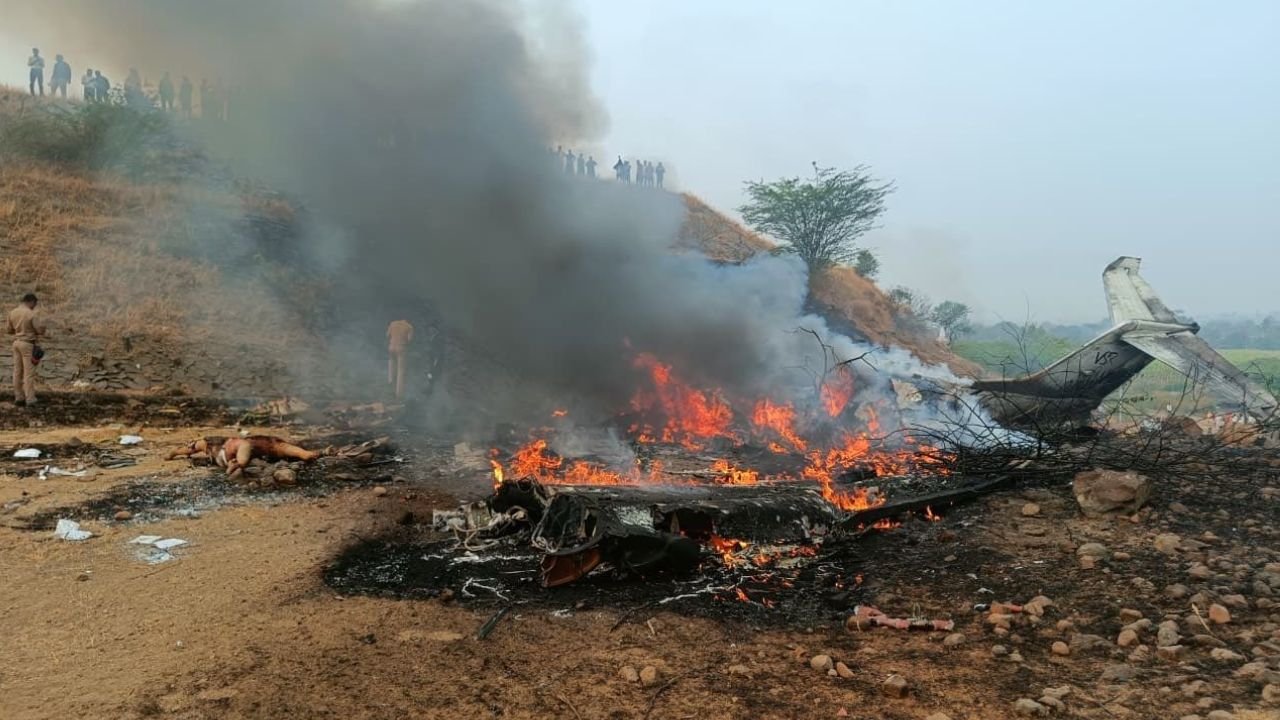
    According to early reports and eyewitness accounts, the Learjet encountered trouble during the landing phase, possibly while attempting an emergency approach. Officials from the Directorate General of Civil Aviation (DGCA) India’s national aviation regulator confirmed that the jet crash-landed near the runway at Baramati Airport. The aircraft veered off course, struck the ground, and immediately caught fire, leaving wreckage and debris scattered across an open field near the threshold of Runway 11. 

    Local eyewitnesses described hearing multiple explosions as the aircraft hit the ground and disintegrated on impact, further underscoring the severity of the crash. 

    Victims on Board

    The five people onboard included:

    • Ajit Pawar, Maharashtra Deputy Chief Minister
    • Two crew members (pilot-in-command and first officer)
    • A personal security officer and an attendant

    Tragically, none of the occupants survived the crash. Emergency responders reached the scene quickly, but the severity of the impact and subsequent fire left no survivors. 

    The Learjet 45: Aircraft Background

    The Learjet 45 is a mid-size business jet manufactured by Bombardier Aerospace, widely used for executive, VIP, and charter flights. With a typical seating configuration for up to eight passengers and a range suitable for short-to-medium routes, it has long been a popular choice among private and corporate operators around the world. 

    While the Learjet family has enjoyed a strong reputation in business aviation, this latest accident will undoubtedly draw scrutiny from the global aviation community, particularly around maintenance practices, approach procedures, and safety protocols at smaller regional airports. 

    Investigation and Next Steps

    India’s DGCA has launched a formal investigation into the crash. Early inquiries are expected to focus on flight data records, weather conditions at the time of landing, and aircraft performance data to determine what led to this devastating event. 

    As the aviation world watches closely, this tragedy serves as a sobering reminder of the risks inherent in regional business jet operations — especially during critical phases of flight like landing. 

  • Philadelphia International Airport Security Breach: Former Worker Sentenced Over Major TSA Lapse

    Philadelphia International Airport Security Breach: Former Worker Sentenced Over Major TSA Lapse

    A former employee at Philadelphia International Airport has been sentenced in federal court after admitting he helped another man bypass TSA security, a breach that raised serious concerns about airport safety.

    Tiriq Henson, 34, of Philadelphia, was sentenced to nine days in federal prison followed by two years of supervised release for his role in allowing an unauthorized individual to enter a secure area of the airport without screening. The sentence was handed down by U.S. District Judge Gail A. Weilheimer.

    According to court records, Henson worked as a wheelchair assistant for a third-party passenger assistance company at Philadelphia International Airport (PHL), a position he had held since 2014. His job granted him access to restricted airport areas using an official security badge — access prosecutors say he abused.

    What Led To The TSA Lapse At the Philadelphia International Airport

    In early 2024, Henson agreed to let an acquaintance, 39-year-old David Easley of Georgia, use his airport ID badge to bypass TSA screening entirely. In exchange, Henson was paid $50 in cash.

    Easley, a convicted felon with a lengthy criminal history, had booked a flight from Philadelphia to Atlanta but wanted to avoid TSA checkpoints. Authorities say Easley was attempting to smuggle six bottles of promethazine, a prescription cough syrup containing codeine that is often abused recreationally and known on the street as “lean” or “purple drank.” Prosecutors noted that the quantity Easley carried could have been worth thousands of dollars on the black market.

    Using Henson’s credentials, Easley accessed a restricted corridor that connects the public check-in area of the airport to the secure departures concourse. However, his plan unraveled when he encountered TSA agents conducting random security checks near the final access point. Easley attempted to flee but was quickly detained.

    When apprehended, Easley was still in possession of Henson’s airport ID badge. He later admitted to paying Henson for its use.

    Both men initially faced potential sentences of up to 10 years in prison. Easley pleaded guilty in July 2024 and ultimately avoided incarceration, receiving 26 months of supervised release that includes two months of home detention. Prosecutors had argued for jail time, citing Easley’s criminal past and what they described as a lack of remorse.

    Henson also pleaded guilty, admitting to one count of entering an airport area in violation of security requirements. His attorneys asked for probation, emphasizing that he is a father with no prior criminal record and had expressed deep shame over his actions. The court ultimately imposed a brief custodial sentence, followed by supervised release.

    The case was investigated by the FBI with assistance from the Transportation Security Administration and the Philadelphia Police Department, and prosecuted by the U.S. Attorney’s Office for the Eastern District of Pennsylvania.

    Federal officials say the case underscores how even small acts of misconduct by airport workers can create significant security risks.

  • Singapore Airlines A350 Photos Raise Questions About Possible Tail Strike After Go Around 

    Singapore Airlines A350 Photos Raise Questions About Possible Tail Strike After Go Around 

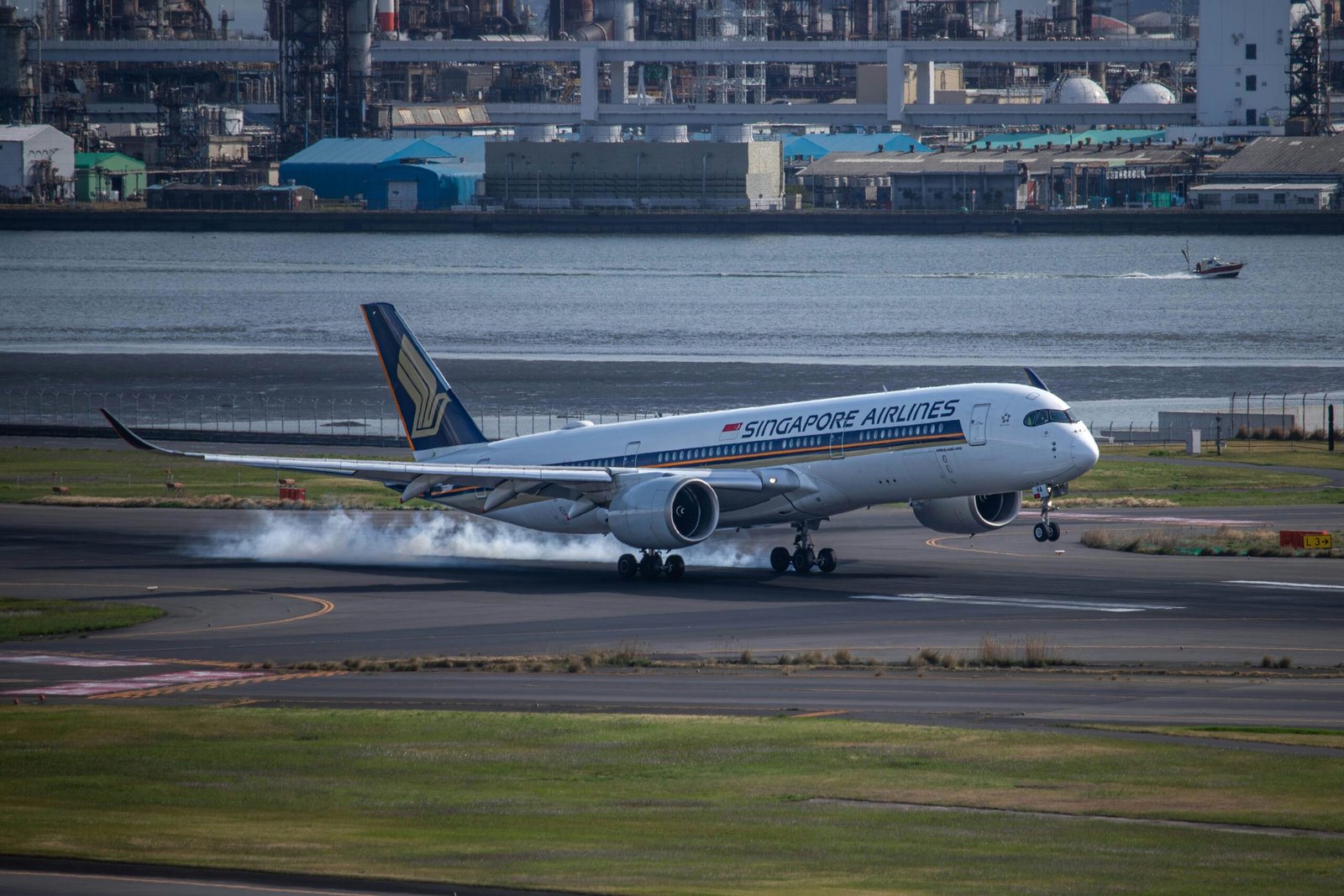
    Singapore Airlines Flight SQ917, an Airbus A350-900 operating from Manila to Singapore, performed a go-around at Singapore Changi Airport on Saturday, January 24, before completing a safe landing but photos and official responses have since drawn attention to what may have been a tail strike during the maneuver. 

    The aircraft involved — registered 9V-SHW — initially attempted to land on Runway 02L at Changi around early evening. Due to wind conditions reported at the time, the flight crew executed a rejected landing (go-around)procedure. During this maneuver, the tail of the aircraft made contact with the runway surface, according to multiple local media reports citing airline sources and aviation tracking data. 

    After climbing to a safe altitude, the flight repositioned for a second approach to Runway 02C, landing without further incident approximately 25 minutes later. All 256 passengers and 16 crew members disembarked normally, and there were no injuries reported. 

    Singapore Airlines A350 Photos Raise Questions About Possible Tail Strike

    Photos shared on social media including images captured shortly after the aircraft reached the terminal reportedly show scrape marks and damage on the lower rear fuselage near the tail section. Aviation observers and online trackers have described the visual evidence as consistent with a tail strike, though Singapore Airlines has not released detailed diagnostic information publicly. 

    In an official response to queries from media outlets, a Singapore Airlines spokesperson confirmed the aborted landing was due to wind conditions and emphasized that the aircraft later landed safely and disembarked normally. The airline also said the aircraft is undergoing repairs following the incident. 

    “All customers and crew disembarked normally,” read the official statement

    While tail strikes are relatively uncommon events in modern commercial flight operations, they are a known risk when aircraft perform go-arounds from low altitude. During these maneuvers, sudden changes in thrust and pitch can increase the likelihood of the aft fuselage contacting the runway surface if not carefully controlled. 

    Flight tracking data also shows that 9V-SHW has remained on the ground in Singapore since the January 24 flight, suggesting it has been taken out of service for inspections and maintenance while other aircraft operate scheduled flights in its stead. 

    This incident highlights how routine safety procedures such as go-arounds can lead to complex aircraft responses and post-flight scrutiny, especially when visual evidence circulates before formal statements are published. For now, the confirmed elements are clear: a go-around was performed, the aircraft subsequently landed safely, and visible tail damage has prompted repairs and further observation.

  • Bangor Plane Crash Today: Timeline, Casualties, and Ongoing Investigation

    Bangor Plane Crash Today: Timeline, Casualties, and Ongoing Investigation

    A private jet carrying eight people crashed at Bangor International Airport in Maine late Sunday evening, marking a tragic and unsettling incident that has drawn attention across the United States and beyond. Officials say the aircraft went down as it was attempting to take off just before 8 p.m. local time, and emergency crews responded swiftly to the scene. The cause of the crash remains under investigation, and key details are still emerging. 

    What Happened — Timeline of the Bangor Plane Crash Today:

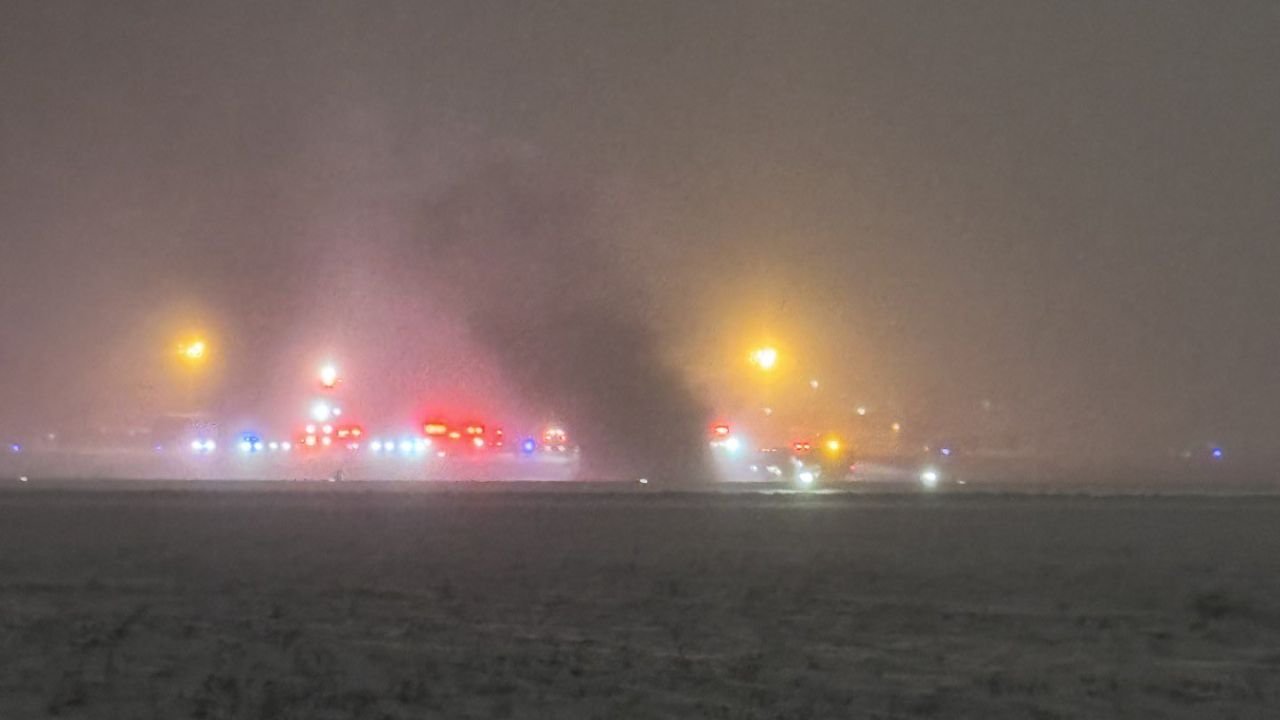
    According to the Federal Aviation Administration (FAA), a Bombardier Challenger 600 business jet carrying eight people crashed during its departure from Bangor International Airport on Sunday night. The incident occurred at approximately 7:45 p.m. local time amid a powerful winter storm that has brought snow, sleet, and freezing rain across much of the northeastern United States. 

    Preliminary reports and audio from air traffic control recordings indicate that pilots and controllers discussed low visibility and de-icing concerns just minutes before the jet was cleared for takeoff on Runway 33. Shortly afterward, controllers were heard reporting that the aircraft had flipped and was “upside down.” 

    Witnesses in the area reported hearing a loud boom and seeing smoke rising from the crash site, while multiple emergency response vehicles quickly converged on the runway. 

    “First responders are still on the scene and are expected to be actively working the site for several more hours before any additional information is available,” Bangor International Airport said in an official statement.

    Casualties and Conditions of Those On Board

    At this early stage of reporting of the Bangor Plane crash, authorities have not released confirmed information on injuries or fatalities involving the eight people aboard the jet, which likely included both crew members and passengers. The FAA and the National Transportation Safety Board (NTSB) are jointly investigating the incident, but officials have not yet disclosed the identities or the condition of those on board. 

    News outlets have noted that the chaotic weather at the time of the crash complicates the situation, and rescue workers were still assessing the scene well into the night. Flight operations at the airport were suspended temporarily following the accident, and travelers were urged to contact their airlines for further information. 

    Weather and Other Contributing Factors

    The Bangor plane crash occurred amid one of the harshest winter storms to hit the region in recent memory, with heavy snowfall and freezing conditions contributing to low visibility and potentially hazardous runway conditions. The storm, which has affected travel across the eastern U.S., has led to tens of thousands of flight cancellations and delays over the weekend. 

    Investigators will be closely examining whether weather conditions played a role in the tragedy, along with standard aircraft maintenance records, pilot experience, and air traffic control communications. Officials will likely release a preliminary report once they have analyzed initial evidence. 

    Ongoing Investigation and What Comes Next

    The FAA and NTSB have launched a thorough investigation into the crash. The NTSB typically recovers data recorders and examines physical evidence from the aircraft wreckage to reconstruct events leading up to accidents. As part of this process, authorities will interview witnesses, analyze radar and communication logs, and evaluate weather data. 

    Airport officials have also set up an emergency operations center, and community leaders are monitoring developments as more information becomes available. At this time, the airport remains closed while responders continue their work and assess runway safety before reopening. 

    This is a developing story, and further updates are expected as investigators release more details.

  • U.S. Winter Storm Disrupts Air Travel: Delta Cancels Flights, American Airlines, Southwest and JetBlue Roll Out Rebooking

    U.S. Winter Storm Disrupts Air Travel: Delta Cancels Flights, American Airlines, Southwest and JetBlue Roll Out Rebooking

    A powerful winter storm sweeping across large parts of the United States has thrown air travel into disarray, forcing airlines including Delta, American Airlines, Southwest and JetBlue to cancel hundreds of flights and introduce flexible rebooking options for stranded passengers.

    Delta Air Lines confirmed widespread flight cancellations as severe weather, including heavy snow, ice, and strong winds, impacted key hubs and major travel corridors. The airline cited safety concerns and operational challenges as crews and aircraft struggled to navigate deteriorating conditions at airports across the Midwest, Northeast, and parts of the South.

    While Delta moved to cancel flights outright, other major U.S. carriers — including American Airlines, Southwest Airlines, and JetBlue — opted to roll out travel waivers and flexible rebooking policies in anticipation of ongoing disruptions. Passengers booked on affected routes are being allowed to change travel dates without incurring change fees, a move airlines say is designed to reduce congestion at airports and provide travelers with more control over their plans.

    “This will likely result in thousands of flight cancellations on Saturday, Sunday and Monday. Even in locations far away from the storm, such as the West Coast hubs, Denver, Chicago and Minneapolis, ripple effects of this widespread travel-halting winter storm will be felt,” said Dan DePodwin, Forecasting Operations, Vice President at Accuweather.

    American Airlines, SouthWest And JetBlue Offer Rebooking

    American Airlines said it is closely monitoring weather conditions and adjusting schedules as needed, warning customers to expect delays and possible cancellations through the storm’s peak. Southwest, known for its point-to-point network, also issued advisories urging passengers to check flight status frequently and take advantage of free rebooking options where available. JetBlue echoed similar guidance, especially for travelers flying in and out of weather-impacted East Coast airports.

    The storm arrives during a busy travel period, compounding frustration for passengers already facing packed terminals and limited alternative flight options. Airport departure boards in several cities showed long lists of delayed and canceled flights, while social media quickly filled with travelers sharing images of crowded gates and lengthy customer service lines.

    Airlines are encouraging customers to rebook digitally through their apps or websites rather than heading directly to airport counters, which remain understaffed amid the disruption. Travelers are also being advised to keep an eye on weather forecasts and allow extra time for airport screening and ground transportation, as icy roads and poor visibility continue to create challenges beyond the runway.Meteorologists warn that the storm system could continue to impact travel for days, raising the possibility of further cancellations as conditions evolve. For now, airlines say flexibility is key, urging passengers to stay informed and make proactive changes to avoid last-minute complications.

  • Why is WestJet’s New Seating Configuration Causing Uproar Among Passengers?

    Why is WestJet’s New Seating Configuration Causing Uproar Among Passengers?

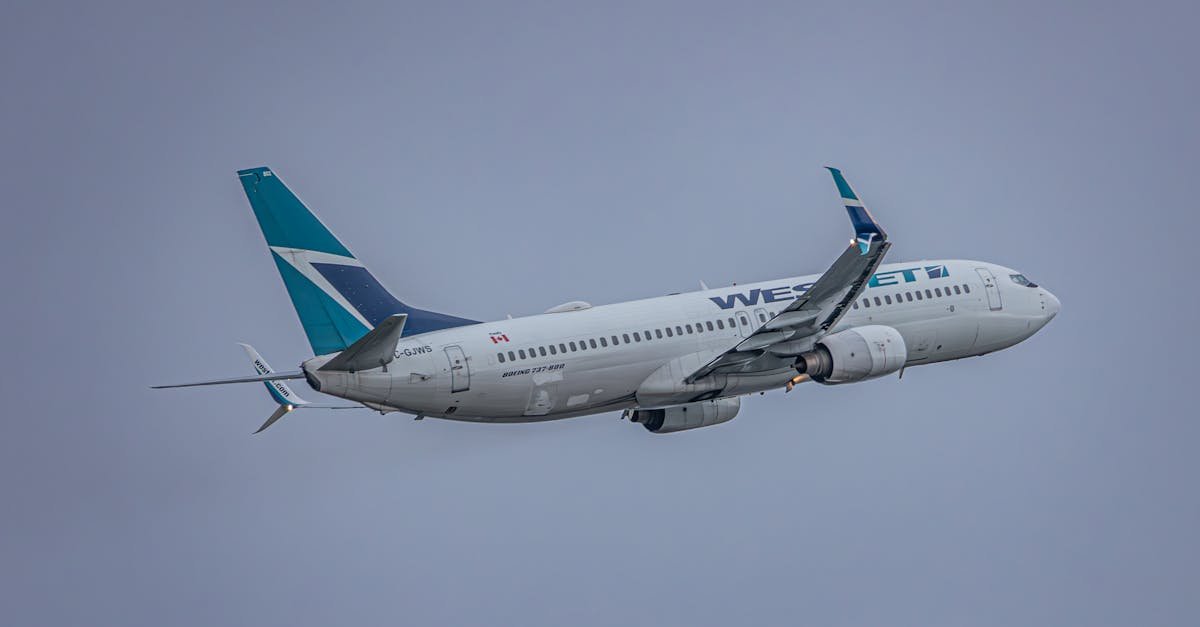
    WestJet recently announced their decision to reverse their plans after introducing a new seating configuration on select Boeing 737-800 and 737 MAX 8. The new configuration introduced a decreased legroom which had a huge impact on the passenger comfort and several videos of passengers struggling went viral on social media.

    What Changes Did WestJet Bring About In Their Retrofit Cabin?

    The Canadian Airline, WestJet rolled out a new seating configuration since late October 2025 in an effort to increase their seating capacity in their Boeing 737-800 and 737 MAX 8 fleet. The aircraft which originally had 174 seats was fitted with an additional row taking the overall seating capacity of the aircraft to 180. As stated by WestJet Group Chief Executive Officer, it was en effort to try a new product to make air travel more affordable among the masses.

    “WestJet tried seat pitches that are popular with many airlines around the globe as they serve to provide affordable airfares. As an entrepreneurial airline founded on making air travel affordable to Canadians, it’s in our DNA to try new products. At the same time, it is just as important to react quickly if they don’t meet the needs of our guests,”explained CEO Alexis von Hoensbroech.

    This new seating had an overall impact on the Economy passengers with Rows 21-31 having only 28 inches of legroom that led to a large number of complaints about the lack of space and discomfort by frequent travelers. It has been reported that flight attendants and the crew had also reported it to the management after rising escalated situations with passengers. Along with new configuration, concerns about the recline in the seats were also raised by customers as only the first six rows featured a reclining function whereas the others had no provision to recline.

    What is WestJet’s Next Course of Action After the Backlash

    Several videos went viral on the internet which showed passengers struggling with the legroom in the new retrofitted cabins. About two months after rolling out the new configuration, WestJet released a statement about their decision to reverse the new setting of seats and announced that they will be removing the extra row that includes six seats altogether after customer feedback.

    “Following a review of operational data and feedback from guests and WestJetters, the airline will return to its prior standard seat pitch for economy cabins on these recently reconfigured aircraft by removing one row of seats,” read the official statement from the company

    WestJet will be returning to their 174 set layouts however, the timelines for the same is yet to be officially released by the company.