
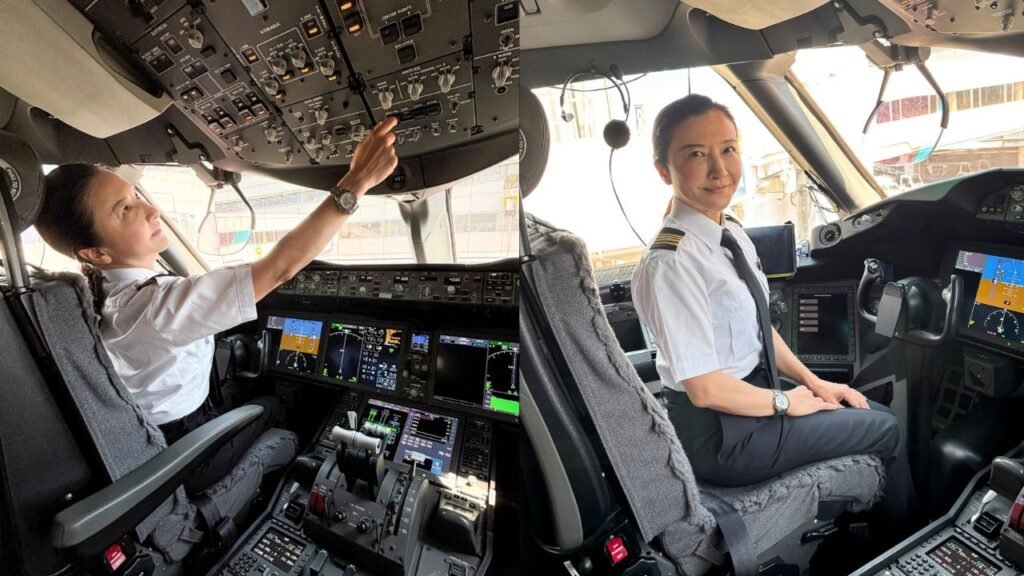
From the moment she first looked out of an airplane window as a toddler, the sky became something more than a distant horizon for Ari Fuji, it became her destiny. Born in 1968 and raised near a U.S. airbase in Japan, Fuji was captivated by airplanes long before she knew their mechanics or spoke the technical language of aviation. As a child, she would gaze at aircraft in flight and imagine herself at the helm, guiding those massive metal birds through the endless blue.
Yet her path to becoming Japan’s first female commercial airline captain was not a straightforward ascension through textbooks and flight hours; it was a journey of resilience, adaptation, and quiet perseverance. Guided by a deep-seated belief that dreams are worth pursuing, she carved a path where no woman before her had walked.
Breaking Early Barriers
After finishing high school, Fuji enrolled at Rikkyo University’s College of Law and Politics in Tokyo not because she dreamed of a legal career, but because traditional aviation entry routes were closed to her. In Japan at the time, civil aviation colleges had strict height requirements that Fuji, at a smaller stature than her peers, could not meet. When she petitioned to take the entry exams, she was turned away simply for being “too short.”
Rather than letting this rejection clip her ambitions, Fuji embraced that setback as a detour, not a dead end. While studying at university, she kept her focus on aviation despite immersing herself in other fields, yet always circling back to her dream. She once reflected that her studies helped her understand the world, but flying was where she really wanted to be.
Crossing Oceans and Learning to Fly
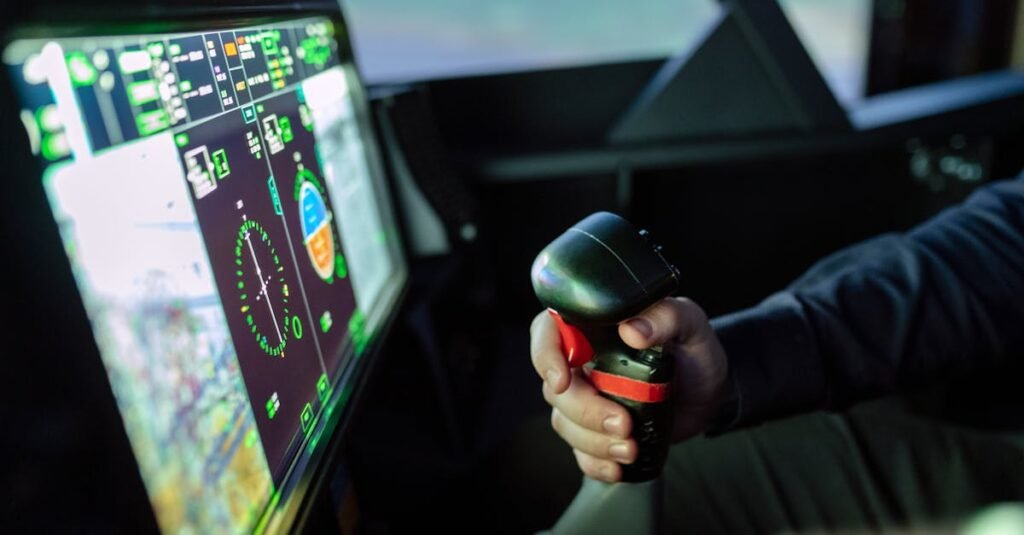
Recognizing that the path to becoming a pilot in Japan was fraught with institutional barriers, Fuji made a bold decision: she would learn to fly abroad. After graduating, she saved money and crossed the Pacific to attend a flight training school near Los Angeles, California. Far from home and navigating life in a language that was not her native tongue, Fuji dove into every aspect of pilot training with fierce determination.
Learning aviation in the U.S. immersed her in an environment where pilots — both male and female — came from diverse backgrounds. This experience did more than teach her how to fly; it expanded her vision of what was possible. Over the course of about ten months, she earned her commercial pilot license, as well as instructor certifications — a foundation she would soon build upon when she returned to Japan.
Returning Home and Earning Her Wings
Back in Japan, Fuji didn’t immediately find the big cockpit she envisioned. She worked temporary office jobs, saved more money, and enrolled in a domestic pilot training course at Yao Airport near Osaka but this time to earn the Japanese aviator certificate she needed to fly commercially back home.
Her perseverance paid off. In 1997, after gaining her Japanese aviation license, she joined a small regional airline where she performed a mix of flying and ground support duties. Though she wasn’t yet flying full-time, Fuji absorbed every detail about aviation operations, always with her ultimate goal in mind which was to wear that captain’s uniform.
When a new recruitment system opened at JAL Express, a subsidiary of Japan Airlines (JAL), Fuji saw her moment. In 1999, she passed the entrant examinations and began her formal journey toward becoming a professional airline pilot.
Climbing the Ranks
As a first officer, Fuji was in uncharted territory: she was one of the very few women in a cockpit dominated by men. Flight training was rigorous, and every advancement required skill, determination, and countless hours in the air. Nonetheless, she logged thousands of flight hours and consistently demonstrated the competency and calm judgment that define great pilots.
For more than a decade, Fuji worked toward the pinnacle of her profession. Finally, in July 2010 after logging over 5,500 flight hours and facing both technical and societal headwinds, she achieved her long-sought pilot-in-command (PIC) certification. At age 42, she became the first woman in Japan to serve as captain of a commercial passenger airline, flying routes between major Japanese cities and beyond.
Beyond the Cockpit
Becoming captain was not the end of Fuji’s journey, but the opening of a new chapter. In 2015, she became certified as an instructor pilot yet another rare honor, and another first for a woman in the Japanese aviation industry. As an instructor, Fuji now helps shape the next generation of pilots, particularly welcoming those who once might have thought a cockpit was out of reach.
She has also participated in special flights with all-woman crews, an important cultural gesture toward greater gender inclusion in aviation — and a statement that the skies are truly for everyone.
A Legacy of Possibility
Throughout her career, Ari Fuji has remained grounded in a simple philosophy: don’t look for excuses to stop, look for reasons to keep going. Those words have resonated with aspiring aviators in Japan and around the world, especially women who find themselves navigating industries where they are still underrepresented.
Today, Fuji stands not just as a symbol of aviation excellence, but as proof that barriers whether institutional, cultural, or personal — can be surmounted with courage and unwavering resolve. Her story continues to inspire, reminding us that the sky truly has no limits for those who dare to reach for it.