Traveling by air is usually a routine experience, but for 76 passengers aboard an Alaska Airlines flight this past Sunday, February 22, 2026, the journey became anything but ordinary. What started as a standard trip from Wichita to Seattle quickly turned into a high stakes emergency when a passenger’s portable power bank burst into flames mid-flight. The incident resulted in an emergency landing, a trip to the hospital for one traveler, and a massive seven hour delay for everyone else.+2
This event serves as a stark reminder of the hidden dangers tucked away in our carry-on bags. Below is a deep dive into the specifics of Flight 2117, the quick thinking that saved the cabin from further harm, and why a small battery caused such a massive logistical headache.
The Mid-Air Emergency on Flight 2117 Operated on behalf of Alaska Airlines
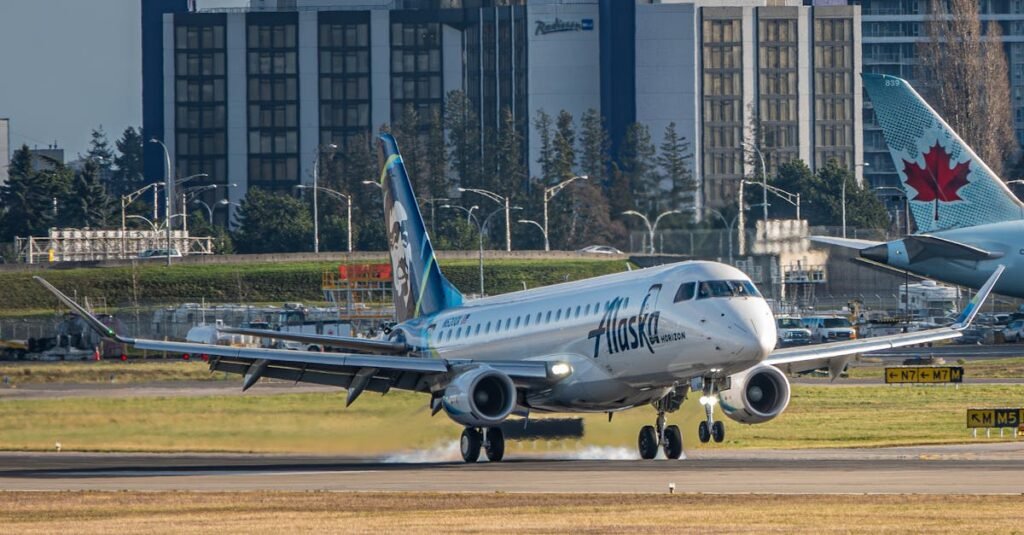
The flight, operated by Horizon Air on behalf of Alaska Airlines, took off from Wichita Dwight D. Eisenhower National Airport just after 2:00 pm. Everything seemed normal as the Embraer E175 aircraft climbed toward its cruising altitude. However, as the plane reached approximately 20,000 feet, the peace of the cabin was shattered.
Witnesses reported that a power bank belonging to a passenger suddenly began to hiss and emit a thick, acrid smoke. Within moments, flames as high as one foot erupted from the device. According to fellow travelers, the battery was not even in use at the time. It was simply sitting in a passenger’s lap when it spontaneously failed.
The heat was intense enough to cause minor burns to the owner of the device. In a moment of panic and survival instinct, a nearby passenger reportedly threw the burning charger into the aisle to get the flames away from the seats and upholstery.+1
Quick Action in the Cabin
Fires on an airplane are among the most feared scenarios for any flight crew. Because the cabin is a pressurized, enclosed environment, smoke can become toxic and blinding in seconds. Passengers on Flight 2117 described the air becoming difficult to breathe almost immediately as the lithium-ion battery underwent what experts call “thermal runaway.”
The Alaska Airlines flight attendants jumped into action using specialized training. One crew member doused the flames with a fire extinguisher while others used a containment bag. These bags are specifically designed to handle the extreme heat of lithium fires, which can reach temperatures high enough to melt metal. By sealing the device inside this “burn bag,” the crew was able to stop the fire from spreading, though the cabin remained filled with a thick, chemical haze.+1
Why the Pilot Chose an Emergency Landing
While the fire was technically “contained” in the bag, the captain of Flight 2117 decided that continuing the multi-hour journey to Seattle was too risky. When a lithium battery fails this violently, there is always a concern about toxic fumes lingering in the ventilation system. Furthermore, the passenger who owned the device needed immediate medical attention for burns on her arms and legs.+1
The pilot declared an emergency and performed a rapid descent, looping the aircraft back toward Wichita. The plane landed safely roughly 40 minutes after it had first departed. Emergency medical teams met the aircraft on the tarmac, and the injured passenger was transported to a local hospital for treatment.+1
The Long Road to Seattle: Explaining the 7-Hour Delay
For the remaining 75 passengers, the drama in the sky was only the beginning of a very long day. Many people wonder why a small fire that was quickly put out resulted in a seven hour delay. The reality of aviation safety and logistics is quite complex.
1. Aircraft Safety Inspections
Once a fire occurs on a plane, that specific aircraft is grounded. Even if the damage seems localized to a carpet or a seat, engineers must inspect the floorboards, wiring, and air filtration systems. The aircraft involved in this incident, a seven year old Embraer E175, had to stay in Wichita overnight for a full safety clearance.
2. Sourcing a Replacement Plane
Wichita is not a primary hub for Alaska Airlines. This meant there was no “spare” plane sitting in a nearby hangar ready to go. The airline had to coordinate the arrival of a replacement aircraft from another location to pick up the stranded travelers.
3. Crew Time Limits
Federal regulations strictly limit how many hours a flight crew can work in a single day. After the stress and physical toll of an in-flight fire and an emergency landing, the original crew likely exceeded their “duty day” or was no longer in a fit state to fly. A new crew had to be positioned to take the passengers the rest of the way to Seattle.
The replacement for the Alaska Airlines flight finally took off from Wichita late that evening, eventually touching down in Seattle at 11:30 pm.By the time passengers reached their final destination, they were seven hours behind schedule.
Understanding Thermal Runaway in Power Banks
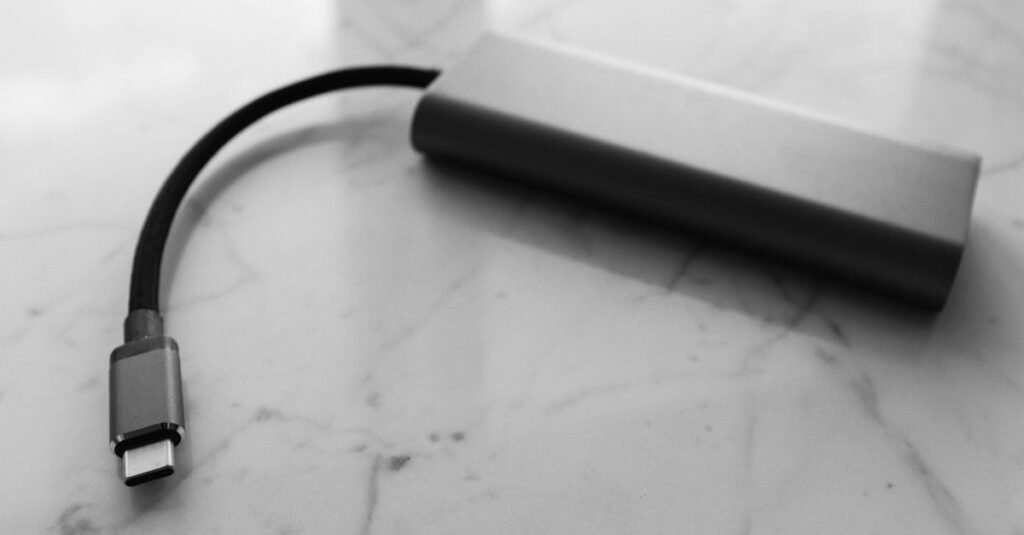
The technical term for what happened on Flight 2117 is “thermal runaway.” This occurs when a cell inside a lithium-ion battery is damaged or short-circuits, causing it to generate heat. That heat then triggers the neighboring cells, leading to a chain reaction that releases energy in the form of fire and pressurized gas.+1
These failures can be caused by several factors:
- Manufacturing Defects: Tiny microscopic metal particles inside the battery can cause a short.
- Physical Damage: Dropping a power bank or crushing it in a reclining seat can compromise its internal structure.
- Extreme Heat: Leaving a battery in a hot car or near a window can weaken the separators inside the cells.
The most frightening aspect of this specific incident is that the passenger claimed the device was not being used or charged. This suggests a spontaneous internal failure, which is rare but extremely dangerous when it happens in a confined space like an airplane.
Essential Battery Safety Tips for Travelers
This incident serves as a wake-up call for anyone who travels with portable electronics. To keep yourself and your fellow passengers safe, follow these guidelines:
- Carry-on Only: Never put power banks or loose lithium batteries in checked luggage. If a fire starts in the cargo hold, it is much harder for the crew to detect and extinguish.
- Buy Quality Brands: Avoid “no-name” or extremely cheap power banks found on discount websites. These often lack the sophisticated circuitry needed to prevent overcharging and overheating.
- Protect the Terminals: If you carry spare batteries, keep them in their original packaging or a plastic case so the metal ends do not touch other coins or keys, which can cause a short circuit.
- Alert the Crew Early: If your phone or charger feels unusually hot to the touch or starts to smell like burning plastic, tell a flight attendant immediately. Do not wait for sparks to fly.
Strategic Safety Protocols: Why Every Second Counts in the Air
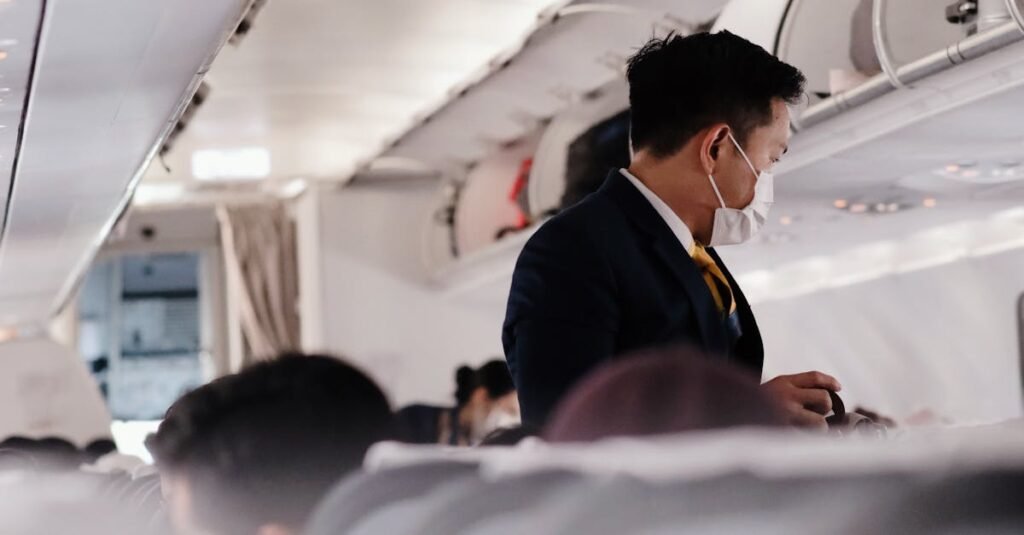
The incident on Flight 2117 operated on behalf of Alaska Airlines highlights the delicate balance of safety protocols that dictate modern aviation. When a lithium-ion battery enters a state of thermal runaway, it creates a self-sustaining fire that feeds on its own heat. Unlike a traditional fire fueled by wood or paper, a battery fire is a chemical reaction that can restart even after it appears to be extinguished. This is why the flight crew did not simply pour water on the device and return to their seats. They utilized specialized containment bags designed to withstand temperatures exceeding 1,000 degrees Fahrenheit. These bags act as a high tech pressure cooker, trapping the heat and toxic gases while preventing the fire from reaching the aluminum skin of the aircraft or the oxygen rich cabin environment.
The decision to divert and the subsequent seven hour delay are rooted in a “safety first” culture that leaves zero room for ambiguity. Once the containment bag was sealed, the pilots had to consider the air quality for everyone on board. Lithium fires release heavy metals and caustic vapors that can irritate the lungs and eyes of passengers. Continuing a long flight with those fumes circulating through the recycled air system was not a viable option. Additionally, the pilots must account for the psychological state of the travelers. After witnessing a fire in a confined tube miles above the ground, the stress levels in the cabin are incredibly high. Landing as soon as possible allows for a controlled evacuation and immediate medical assessment for anyone experiencing smoke inhalation or shock. While a seven hour delay is frustrating for those with connecting flights or business meetings, it represents the time required to swap an entire aircraft and crew to ensure that the final leg of the journey is conducted under perfect safety conditions.