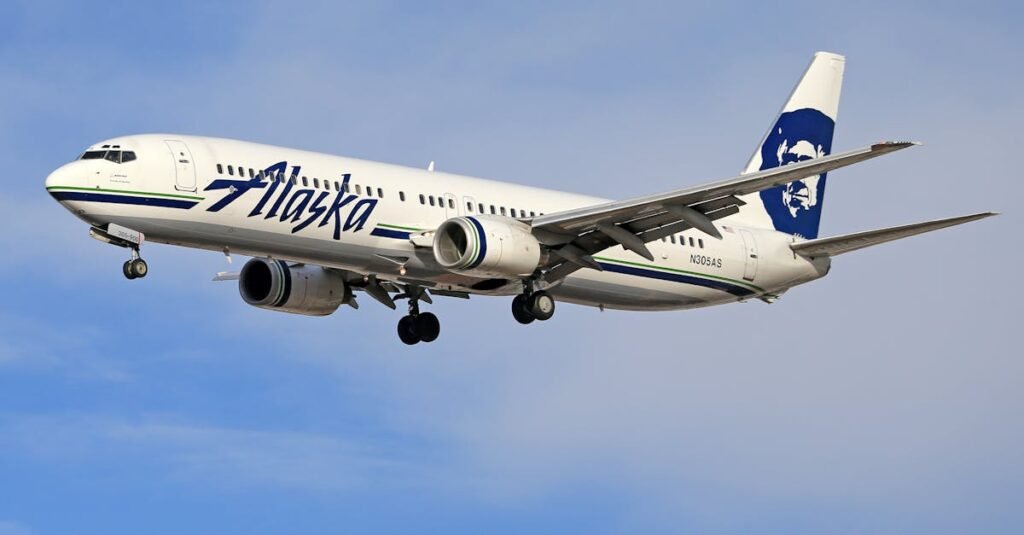
In a shocking turn of events during a late night journey through the skies, Alaska Airlines Flight 733 found itself at the center of a federal investigation following an alleged midair assault. The flight, which was traveling from Portland International Airport in Oregon to Ted Stevens Anchorage International Airport in Alaska, became the stage for a deeply unsettling encounter between two passengers. While the aircraft eventually reached its intended destination, the severity of the incident has sparked national conversations about passenger safety, the legal consequences of in-flight misconduct, and the vital role that fellow travelers play in maintaining a secure environment.
The Details of the Flight and the Initial Departure
Alaska Airlines Flight 733 took off from Portland on February 22, 2026, under normal conditions. The flight was scheduled as a routine late night service to Anchorage, a route that many travelers use for both business and leisure. For most people on board the Alaska Airlines flight, the expectation was a quiet few hours spent resting or reading. However, for one female passenger, the flight turned into a nightmare shortly after she took her seat.
According to federal court documents and witness statements, the trouble began almost immediately upon boarding. A 44 year old man named Timothy Hobson occupied the seat next to the victim. Reports indicate that his behavior was predatory from the start. He reportedly turned his entire body toward the woman and stared at her while smiling, yet he did not say a single word. This initial behavior created an immediate sense of unease for the victim, setting a grim tone for the hours to follow.
Escalation of Misconduct During the Journey
As the Boeing 737 reached its cruising altitude, the situation quickly moved from uncomfortable to dangerous. Investigators allege that Hobson used various tactics to invade the personal space of his seatmate. At one point, he reportedly pretended to drop an item on the floor so that he could reach across the victim’s legs. This maneuver was followed by him spreading his legs into her seating area and pressing against her body.
The victim attempted to defend herself by swatting his hands away and maintaining her boundaries, but the suspect did not stop. The behavior escalated further when Hobson allegedly leaned his head onto her shoulder. When she pushed him away and suggested he use his tray table to rest his head, he instead leaned his entire upper body against her. This action pinned the woman against the window of the aircraft, leaving her physically trapped and unable to move or reach the call button for assistance.
A Crucial Intervention by a Fellow Passenger
In many cases of in-flight assault, victims find themselves isolated and unable to signal for help. In this instance, the victim was being physically restrained by the weight of the suspect, which prevented her from alerting the flight crew. The situation might have continued to worsen if not for the vigilance of another passenger seated in the aisle across from them.
This witness noticed the victim’s distress and the aggressive positioning of the suspect. Recognizing that something was deeply wrong, the fellow traveler signaled for a flight attendant. The Alaska Airlines crew responded with speed and professionalism, immediately assessing the situation and moving the victim to a different part of the aircraft. This intervention provided the victim with safety for the remainder of the flight, though the suspect reportedly continued to act erratically by moaning and grabbing the seats in front of him.
Law Enforcement Response and the Arrest
While the Alaska Airlines flight crew managed to stabilize the cabin environment, the legal process was already in motion. The pilots and airline staff coordinated with authorities on the ground to ensure that law enforcement was ready the moment the wheels touched the tarmac in Anchorage. Upon arrival, officers from the Anchorage Police Department and agents from the FBI met the Alaska Airlines plane at the gate.
Timothy Hobson was taken into custody without further incident. Because the alleged crime took place on a commercial aircraft in U.S. airspace, it falls under federal jurisdiction. He was transported to the Anchorage Correctional Complex, where he remained held pending his initial court appearances. The rapid response from both the airline staff and law enforcement highlights the zero tolerance policy that is increasingly being enforced across the aviation industry.
Federal Charges and Potential Legal Consequences
The legal ramifications for this type of behavior are severe. Hobson has been charged with a federal felony of abusive sexual contact. This is not a simple misdemeanor; it is a serious charge that carries the potential for significant prison time. If convicted, the consequences extend far beyond a jail sentence. Individuals found guilty of such crimes are often required to register as sex offenders, which has lifelong impacts on their employment, housing, and social standing.
Federal prosecutors are using the evidence gathered from the victim’s testimony, witness statements from other passengers, and reports from the flight crew to build their case. The inclusion of the FBI in the investigation underscores the fact that the government views the safety of the skies as a matter of national security and public welfare.
The Physical and Psychological Impact on Victims
While the physical assault is the primary focus of the legal case, the psychological toll on the victim cannot be overlooked. Being trapped at 30,000 feet next to a predatory individual is a uniquely terrifying experience. Unlike a situation on the ground, there is no exit and no place to run. This feeling of helplessness can lead to long term trauma, including anxiety and a fear of flying.
Aviation experts and victim advocates emphasize that the safety of a flight is not just about the mechanics of the airplane. It is about the human environment inside the cabin. When that environment is compromised by violence or harassment, it affects every person on board. The victim in this case did everything she could to protect herself, but the physical restraint used by the suspect made it impossible for her to solve the problem alone.
Airline Policies and the Role of Flight Crews
Alaska Airlines has a reputation for prioritizing safety, and their response to this incident has been cited as an example of proper protocol. Flight attendants are trained to handle various types of disruptions, ranging from medical emergencies to unruly or dangerous passengers. In this case, the crew moved the victim to a secure area and monitored the suspect until the plane landed.
However, the incident has also reopened discussions about whether airlines should have more robust systems for reporting harassment in real time. Some advocates suggest that if the victim cannot reach the call button, there should be other ways for passengers to discreetly alert the crew. For now, the reliance on the “eyes and ears” of other passengers remains a critical component of in-flight security.
The Growing Trend of In-Flight Misconduct
This incident is part of a larger, more troubling trend of passenger misconduct that has been on the rise over the last few years. While many stories focus on passengers who are upset about delays or mask mandates, cases of physical and sexual assault are particularly heinous. Data from the Federal Aviation Administration shows that while the total number of unruly passenger reports has fluctuated, the severity of the incidents has often increased.
The aviation industry is pushing for stricter penalties and more consistent prosecution to act as a deterrent. The goal is to send a clear message: if you choose to behave this way on a flight, you will be arrested, you will face federal charges, and you will likely be banned from flying with that airline for life.
Looking Ahead at Passenger Safety and Accountability
The alleged assault on Alaska Airlines Flight 733 serves as a sobering reminder of the challenges that still exist in the world of air travel. It took the combined efforts of a brave victim, an observant bystander, a professional flight crew, and federal law enforcement to bring the situation to a resolution. As the legal case against Timothy Hobson moves forward, the industry will continue to look for ways to protect travelers from predatory behavior.
For the traveling public, the lesson is one of vigilance. Paying attention to those around you and being willing to speak up when something looks wrong can make a world of difference. No person should ever feel unsafe while traveling to their destination, and the justice system is working to ensure that those who violate that safety are held fully accountable for their actions in the sky.