The travel landscape in Mexico took a sharp and violent turn this week following a major military operation in the state of Jalisco. After several days of uncertainty and grounded planes, Air Canada has officially stepped forward with a massive update to its rescue strategy. The airline is shifting its focus toward a high capacity repatriation mission to bring home thousands of Canadians who found themselves trapped by sudden civil unrest.
The Events That Triggered a National Crisis
The chaos began on Sunday, February 22, 2026, when Mexican special forces conducted a raid in the town of Tapalpa.The target was Nemesio Oseguera Cervantes, famously known as El Mencho, the top leader of the Jalisco New Generation Cartel. During the confrontation, the cartel leader was fatally wounded and died while being transported for medical care.
As news of his death spread, his followers launched a series of coordinated retaliatory attacks across multiple states.Armed groups set up hundreds of roadblocks, torched buses, and attacked local businesses. The violence quickly reached popular tourist hubs like Puerto Vallarta and Guadalajara. Local officials were forced to issue shelter in place orders, telling visitors to stay inside their hotels and avoid the streets. For thousands of vacationing Canadians, the dream trip turned into a stressful waiting game.
Air Canada Responds with the Boeing 787 Dreamliner
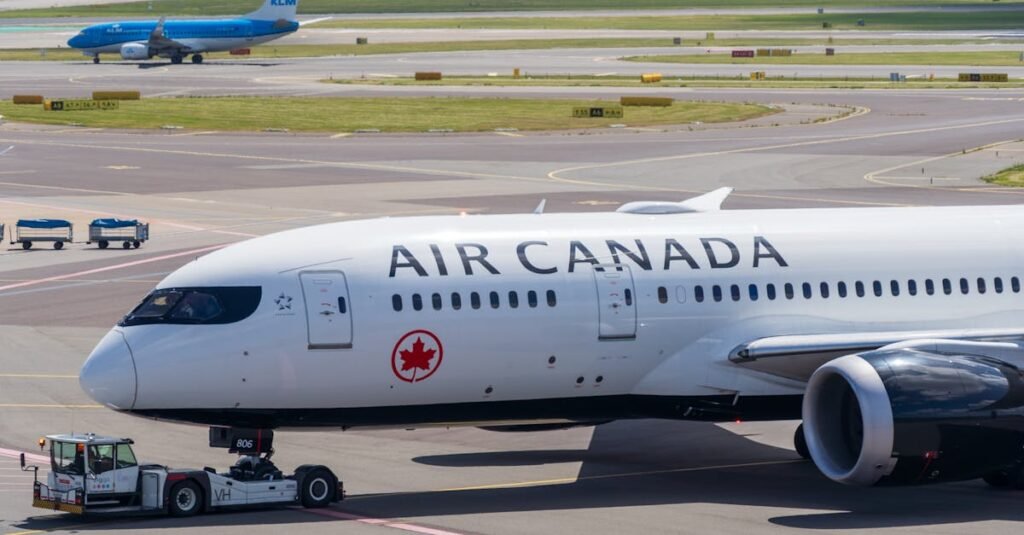
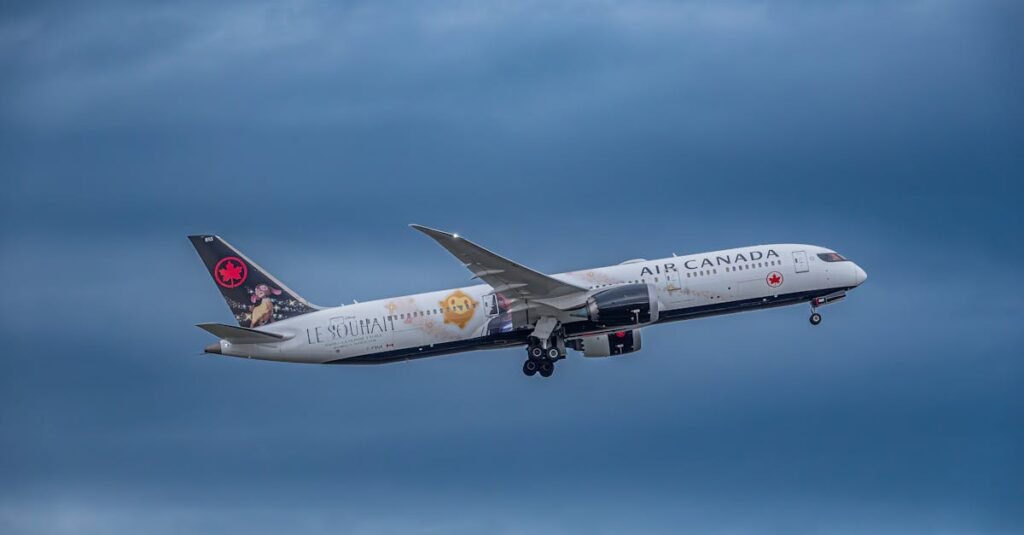
In the immediate aftermath of the violence, Air Canada joined other major carriers in suspending all flights to the affected regions. However, with the situation on the ground stabilized by a heavy military presence, the airline is now moving into a recovery phase. The centerpiece of this new emergency schedule is the deployment of the Boeing 787 Dreamliner.
Choosing the 787 is a strategic move designed to solve a numbers problem. While regional jets and narrow body planes usually handle these routes, they simply do not have the seat count needed to move people quickly. By using these wide body, heavy lift aircraft, Air Canada can carry nearly 300 passengers per flight. This allows them to clear the massive backlog of travelers much faster than traditional schedules would allow. These planes also offer significant cargo space, which is being used to move essential supplies and equipment needed for the safe operation of flight crews in a high tension environment.
“To help get customers home as soon as possible, we’re flying larger Boeing 787-9 Dreamliners from Toronto and Montreal to Puerto Vallarta, for 258 seats of added capacity. Operations from Toronto to Guadalajara will resume on Feb. 25,” read the official statement from Air Canada.
Understanding the New Emergency Flight Schedule
The airline is not just resuming normal service. Instead, they have designed a specific emergency rotation that prioritizes the areas with the highest number of stranded passengers. Following consultation with the Government of Canada and Mexican authorities, full operations resumed on Tuesday, February 24, with specific aircraft swaps.
This specialized schedule focuses on these key rotations:
- Montreal (YUL) to Puerto Vallarta (PVR): Flight AC999 and the return leg AC998 have been upgraded to the Boeing 787-9 to maximize capacity.
- Toronto (YYZ) to Puerto Vallarta (PVR): Flight AC1349 and the return leg AC1348 are also now utilizing the 787-9 Dreamliner.
- Vancouver (YVR) to Puerto Vallarta (PVR): Flights AC970 and AC971 currently remain on the 737 Max 8 schedule but are being monitored for potential future upgrades.
- Guadalajara (GDL): Flights from Toronto to the state capital are set to resume on Wednesday, February 25, to assist those in the city for business or family visits.
Travelers should note that these flights are operating under strict security protocols. The airline is working in tandem with the Canadian government and Mexican airport authorities to ensure that the “air bridge” remains open even if ground transportation remains spotty in certain areas.
To manage your booking or reschedule your flight during this crisis, you should use Air Canada’s official self-service tools. These allow you to skip the long wait times on the phone lines.
Where to Reschedule or Book
- For General Bookings: Use the Air Canada “My Bookings” Tool. You will need your booking reference number and the passenger’s last name to access your itinerary and see available rescue flight options.
- For Air Canada Vacations: If your trip was booked as a package, go to the Air Canada Vacations Manage Your Booking page.
- For Aeroplan Members: Log in to your account on the Aeroplan portal to manage rewards-based rescue flights.
Important Contact Numbers
If you cannot access your booking online due to the emergency, use these specific lines:
- From Mexico (Toll-Free): 011-800-514-1890
- General Rebooking Line: 1-888-247-2262
- Air Canada Vacations Support: 1-800-296-3408
Note: Due to the “up-gauging” of aircraft to the Boeing 787-9, some passengers may see their flight numbers stay the same while their seat assignments change. Be sure to re-download your boarding pass once you have confirmed your spot on a rescue rotation.
Safety First for Those Still in Destination
Even though the planes are arriving, the journey home is not without challenges. Global Affairs Canada continues to advise a high degree of caution. If you are currently in Jalisco or surrounding areas, it is vital to follow these steps before trying to reach the airport:
First, do not leave your hotel or rental property until you have a confirmed seat and a specific departure time. Many roads still have remnants of the blockades, and local transportation like taxis or ride shares may be inconsistent. Air Canada is urging passengers to wait for an official notification via email or text before making the trek to the terminal.
Second, travel during daylight hours only. While the Mexican National Guard has cleared most of the main highways, security experts suggest that moving during the day provides better visibility and reduces the risk of getting caught in localized skirmishes.
Finally, keep your documents ready. Security at the airport is significantly tighter than usual. Expect extra checkpoints and longer wait times for processing. The goal is to get everyone through as safely as possible, and that requires patience from everyone involved.
Why This Rescue Mission is Different
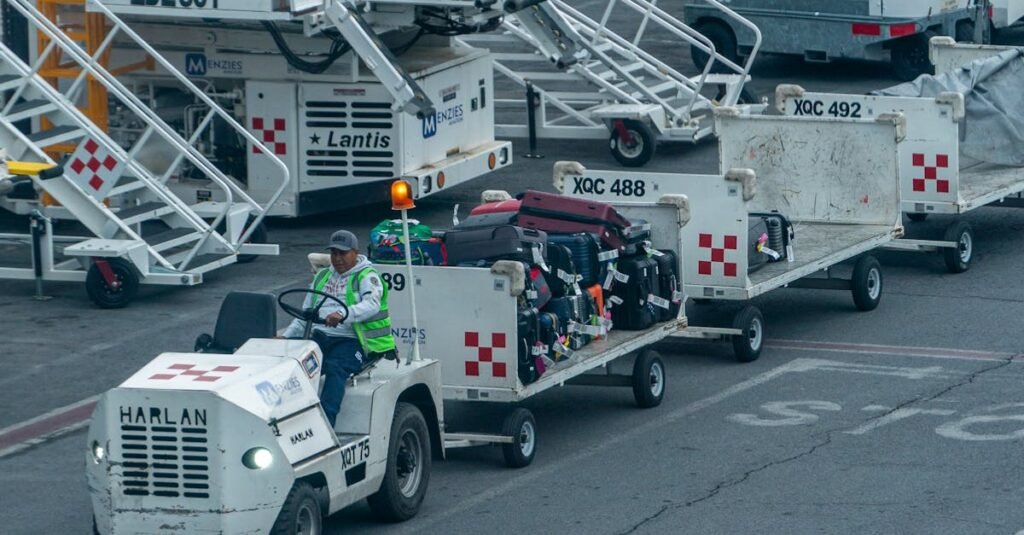
In past years, travel disruptions in Mexico were often caused by weather or smaller scale localized protests. The February 2026 crisis is different because it involves a direct vacuum in cartel leadership, which creates a more volatile environment.
Air Canada’s decision to use its flagship long haul fleet for short haul rescue missions shows the seriousness of the situation. It is a costly and complex operation to reroute these massive planes from their usual international paths to Europe or Asia. However, the airline has stated that the safety of its customers and the need to bring Canadians home outweighs the logistical hurdles.
What to Do if Your Flight Was Cancelled
If you were scheduled to fly to or from Mexico during the peak of the unrest, you likely have questions about your ticket. Air Canada has implemented a flexible rebooking policy. This allows passengers to change their travel dates without paying the usual fees.
For those who no longer wish to travel to Mexico this season, the airline is offering travel credits. These credits can be used for future trips once the region has fully stabilized. If you are currently in Mexico and waiting for your turn on one of the 787 rescue flights, make sure your contact information is updated in the “Manage My Booking” section of the Air Canada website. This is the fastest way for the airline to reach you with your new boarding details.
Looking Ahead to Future Travel
The death of a major cartel figure often leads to a period of restructuring within the criminal underworld. Because of this, travelers should expect travel advisories to remain in place for the foreseeable future. While the emergency flight schedule is designed to get people home now, the long term status of tourism in Jalisco remains a topic of discussion between the two nations.
For now, the focus remains on the mission at hand. The sight of the Air Canada 787 on the tarmac in Puerto Vallarta has become a symbol of relief for many. As these heavy lift planes continue their rotations, the backlog of stranded tourists is expected to clear within the next few days.
Stay tuned to official channels and keep a close eye on your airline notifications. The situation is fluid, but with the right resources and a focus on safety, the path back home is finally opening up.