The image of thousands of suitcases piled high in a terminal while families sleep on airport floors has become a recurring nightmare for American travelers. We often think of aviation as the peak of modern engineering, yet the reality behind the check-in desk is much different. While the planes themselves are high-tech marvels, the digital brains that coordinate where those planes and their crews go are often decades out of date. This creates a fragile environment where a single line of bad code or a minor server hiccup can ground an entire nation’s fleet in hours.
The Ghost of Holiday Season Past
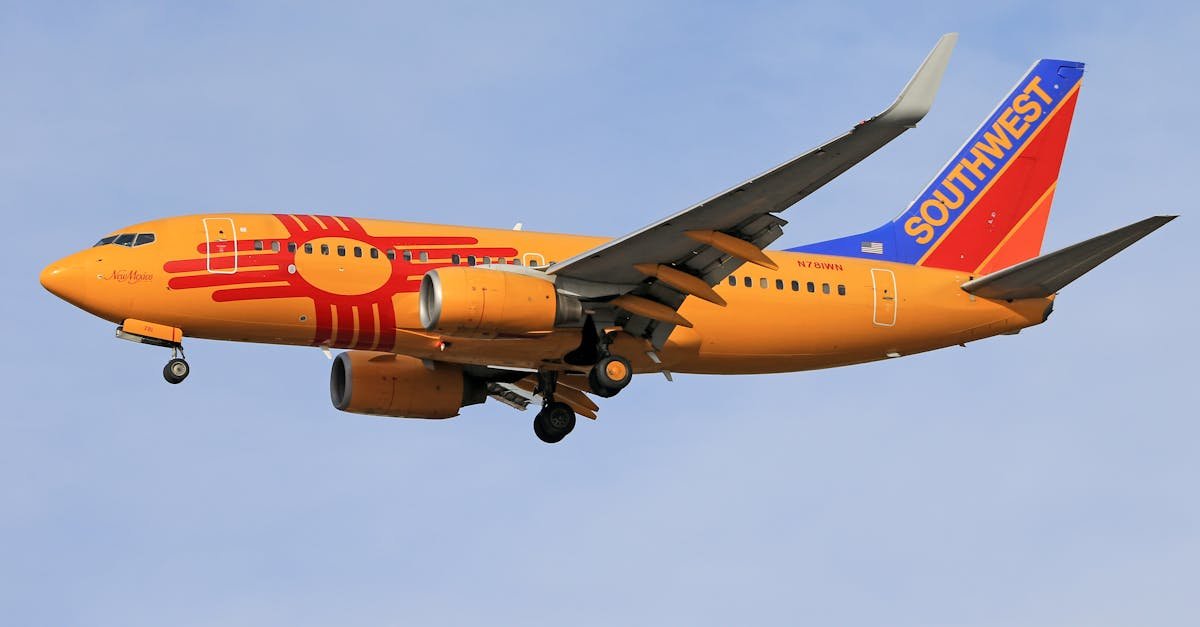
To understand why 2026 feels so precarious, we have to look back at the original Southwest meltdown. That event was a wake-up call that most people hit the snooze button on. It was not just a weather problem. It was a failure of a legacy scheduling system that simply could not keep up with the chaos. When the computers lost track of where the pilots were, the airline essentially stopped existing for a week.
Today, we are seeing “The Southwest Effect 2.0″ because the same underlying issues have spread across the industry. Airlines have spent billions on shiny new cabins and faster Wi-Fi, but the back-end infrastructure remains a patchwork of old code and manual processes. When one piece of the puzzle fails, the entire picture falls apart.
The Fragility of Modern Scheduling
The most critical part of an airline is not the fuel or the wings. It is the scheduling software. This software must balance thousands of moving parts: pilot rest requirements, flight attendant locations, aircraft maintenance cycles, and gate availability. In the United States, several major carriers still rely on systems built on programming languages that were popular in the 1970s.
When a storm hits or a software update goes wrong, these systems face a data overload. They are designed for smooth sailing. As soon as a few hundred flights are canceled, the software enters a feedback loop. It cannot reassign a pilot to a new flight because it does not “know” the pilot is legally allowed to fly. The result is a total system freeze where planes are ready and crews are waiting, but the computer will not let them meet.
The CrowdStrike Lesson of 2024
We saw a massive example of this vulnerability recently when a faulty security update from CrowdStrike knocked out Windows systems globally. While many industries recovered in a day, Delta Airlines struggled for nearly a week. This was a classic case of the Southwest Effect 2.0. Even though the initial “glitch” was fixed quickly, the secondary systems could not handle the backlog.
The manual work required to reset thousands of servers and re-sync crew schedules proved that the human element is being overwhelmed by the scale of modern aviation. If an airline has to manually reboot 40,000 servers to get moving again, that airline is not resilient. It is simply lucky that it does not happen more often.
A Perfect Storm in 2026
The current year has brought new challenges that make these tech glitches even more dangerous. We are currently facing a massive shortage of air traffic controllers and experienced pilots. This means there is no “slack” in the system. In the past, if a computer went down, humans could step in and manage the flow at a slower pace.
Now, every worker is stretched to the limit. When the technology fails, there is no one left to pick up the slack. We are also seeing record-high travel demand as we lead up to the 2026 World Cup. With more people in the airports than ever before, a two-hour technical delay now has the potential to spiral into a three-day operational collapse.
The FAA Modernization Race
It is not just the airlines that are at risk. The Federal Aviation Administration is currently in the middle of a massive $12.5 billion overhaul of the air traffic control system. For years, controllers have been using paper strips to track planes. While we are finally moving toward a cloud-based digital system, the transition period is the most dangerous time.
Running old and new systems at the same time is like trying to change the tires on a car while it is driving 60 miles per hour. Any minor error during this migration could trigger a “ground stop” that affects every airline at once. We are essentially betting that our aging infrastructure can hold together just long enough for the new tech to arrive.
The Hidden Cost of Outsourcing Systems by Southwest, American Airlines and Others
Another reason why we are so vulnerable to a total meltdown is the way airlines have outsourced their IT departments. Many carriers no longer have the “nerds in the basement” who built the original systems. Instead, they rely on third-party vendors and remote contractors.
While this saves money, it creates a massive communication gap during a crisis. When a system crashes, the people who know how to fix it might be on a different continent or working for a company that has five other clients experiencing the same emergency. This “fragmentation” of responsibility means that a small glitch takes much longer to resolve than it did twenty years ago.
Why Travelers Should Be Concerned
For the average American traveler, the Southwest Effect 2.0 means that your “on-time” status is a coin flip. The industry has become so interconnected that a power outage in an Atlanta data center can cause a cancellation for a passenger in Seattle.
Airlines are trying to solve this by moving to the cloud, but the cloud is just someone else’s computer. If the cloud provider has an outage, the airline has no Plan B. We have traded local reliability for global efficiency, and we are now seeing the price of that trade.
How to Protect Your Travel Plans
Since we know the system is brittle, travelers have to change how they book. The era of “everything going right” is over for now. The best way to avoid being a victim of the next meltdown is to fly earlier in the day. Most tech glitches and “cascading delays” happen in the afternoon and evening as the system’s stress builds up.
It is also vital to use the airline’s mobile app but not rely on it exclusively. During a total meltdown, the apps are often the first things to provide incorrect information because they are drawing data from the very servers that are failing. Always have a backup plan, such as a rental car reservation or a hotel app, ready to go.
The Path Forward
Scaling the US aviation industry for the future requires more than just new planes. It requires a complete “digital gut renovation.” Airlines need to stop treating their IT departments as cost centers and start treating them as the core of their safety mission.
Until we see a move away from 50-year-old code and a return to robust, in-house technical teams, the “Total Meltdown” will remain a permanent feature of American air travel. We are currently flying on a system held together by digital duct tape, and 2026 will be the year we find out if that tape can hold.
Leave a Reply